
Introduction
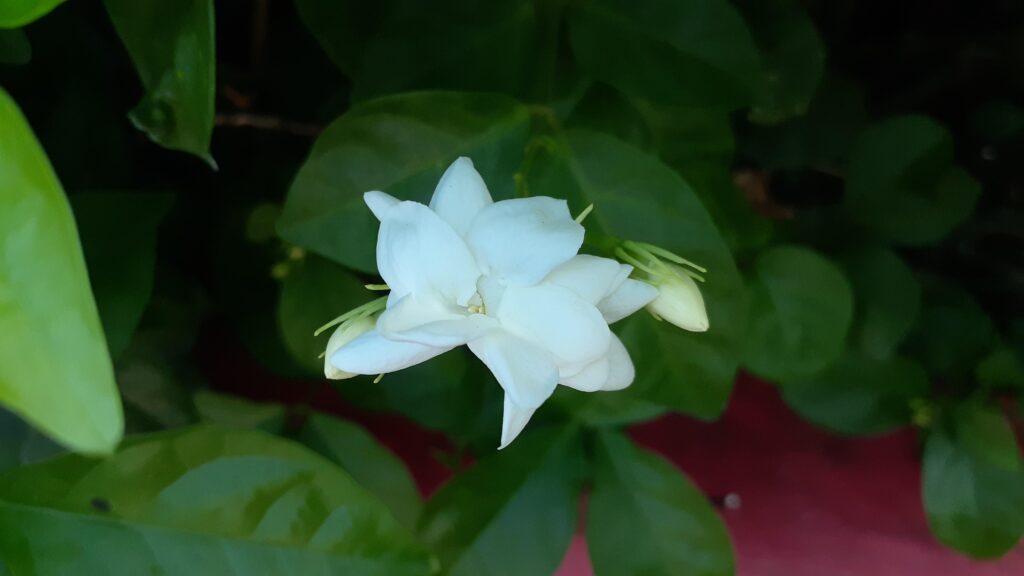
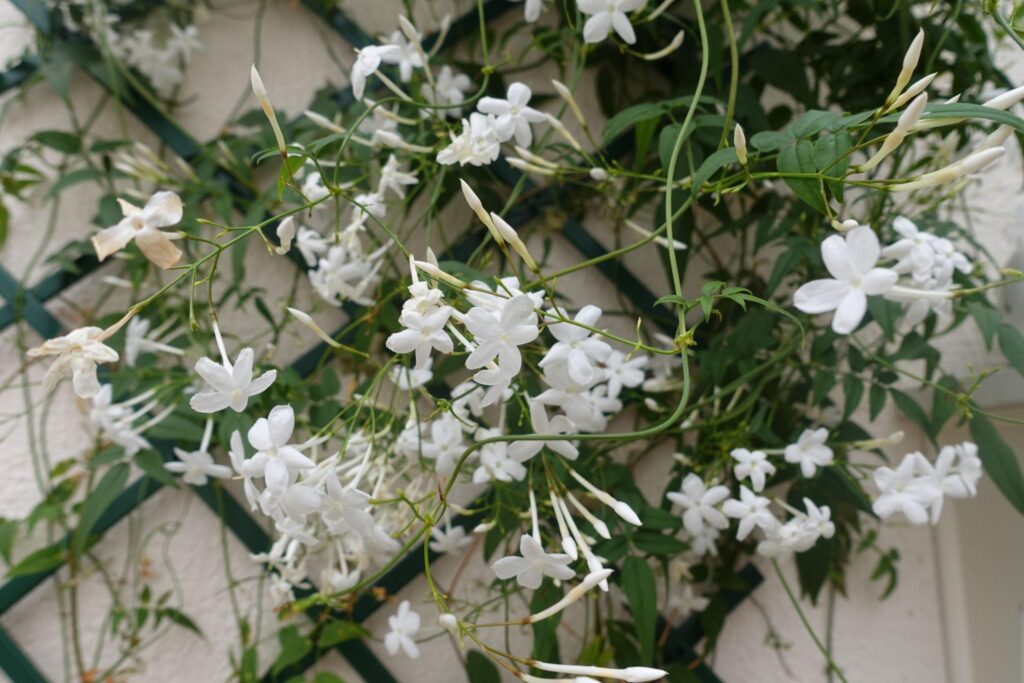
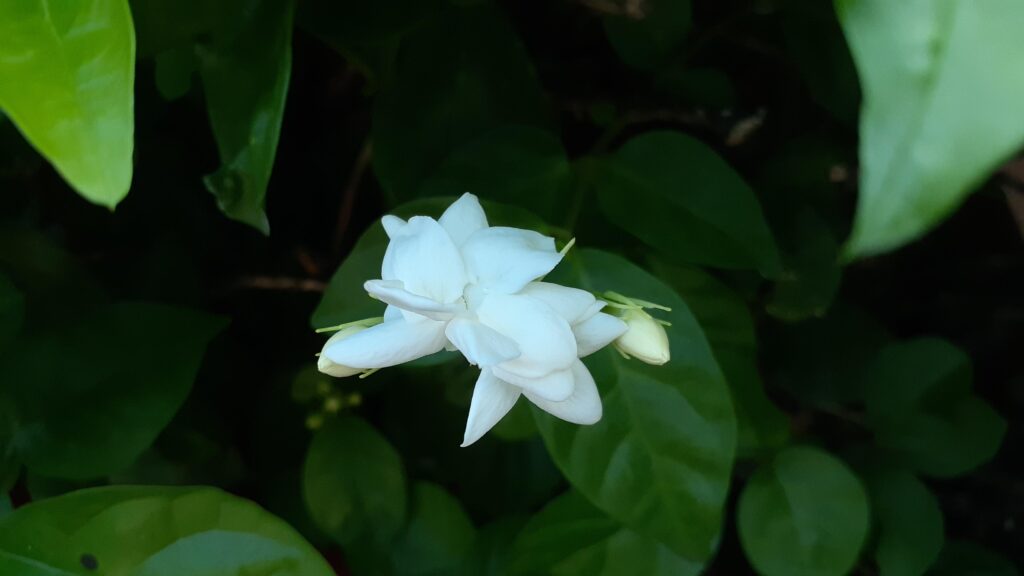
Jasmine is one of the most loved perennial ornamental flowering plants grown in home gardens for its delicate beauty and soothing fragrance. It is widely appreciated for its soft white blooms that create a calm and refreshing atmosphere in garden spaces. The pleasant scent of jasmine flowers makes it especially valuable in ornamental gardening, where fragrance plays an important role in enhancing the sensory experience of outdoor environments.
Jasmine has been cultivated for centuries and holds cultural as well as decorative significance in many parts of the world. Its graceful flowering habit allows it to be used in various landscape settings such as garden borders, trellises, fences, and container planting. Because of its climbing or bushy growth nature, jasmine can adapt to both vertical and horizontal garden designs.
The plant’s ability to bloom repeatedly under suitable conditions makes it an excellent choice for gardeners who wish to maintain continuous floral presence. Its evergreen or semi-evergreen foliage adds visual interest even when the plant is not in bloom.
With proper cultivation practices, jasmine can become a long-lasting ornamental feature in home gardens.
Scientific Classification
Kingdom: Plantae
Division: Magnoliophyta
Class: Magnoliopsida
Order: Lamiales
Family: Oleaceae
Genus: Jasminum
Common name: Jasmine
Native origin: Tropical and subtropical regions of Asia
Important ornamental species include Jasminum sambac, known for its fragrant flowers, and Jasminum grandiflorum, widely grown for garden decoration.
Identification of Plant
Jasmine is a perennial shrub or climber characterized by its slender stems and lush green foliage. The plant may grow as a compact bush or develop into a climbing form depending on the species.
The leaves are usually simple or compound and appear in rich green shades that enhance the plant’s ornamental value. The flowers are small, star-shaped, and typically white, although some varieties may produce yellow blooms.
Jasmine flowers are especially admired for their fragrance, which becomes more noticeable during evening hours. Their soft appearance and gentle aroma make them a popular choice for decorative planting.
Climate and Soil Requirement
Jasmine grows best in warm climates with moderate sunlight exposure. It thrives in temperatures ranging between 20°C and 30°C, which support healthy growth and flowering.
The plant prefers well-drained soil enriched with organic matter. Slightly acidic to neutral soil conditions support optimal development.
Jasmine performs well in locations that receive adequate sunlight, although some varieties can tolerate partial shade. Proper drainage helps maintain root health and prevents water-related issues.
Consistent soil moisture supports plant vigor, but excessive water should be avoided.
Propagation and Planting Method
Jasmine is commonly propagated through stem cuttings and layering. Healthy cuttings are planted in suitable growing media where they develop roots over time.
Layering is another reliable method where a branch is encouraged to root while still attached to the parent plant before being separated.
Planting should be done in prepared soil with adequate spacing to allow airflow and growth. Providing support structures helps guide climbing varieties.
Proper planting conditions promote strong establishment.
Care and Maintenance
Regular care is important for maintaining healthy jasmine plants. Watering should be done consistently to keep the soil slightly moist without causing water stagnation.
Balanced fertilization supports vegetative growth and flowering. Organic matter improves soil quality and enhances plant health.
Pruning helps maintain plant shape and encourages new growth. Removal of faded flowers and weak branches supports continuous blooming.
Mulching helps retain soil moisture and stabilize the root zone.
Pest and Disease Management
Jasmine may occasionally be affected by pests such as aphids and whiteflies. These insects feed on plant sap and may impact plant vigor.
Preventive measures such as neem-based sprays and maintaining garden cleanliness can help manage pest problems.
Fungal diseases may occur under excessive moisture conditions. Ensuring proper drainage and good airflow helps reduce disease risk.
Flowering and Garden Uses
Jasmine produces delicate and fragrant flowers once it becomes well established. The blooms enhance garden spaces with both visual beauty and pleasant aroma.
It is widely used in garden borders, trellises, fences, and container arrangements. Jasmine is also suitable for landscape designs where fragrance is desired.
Because of its elegant flowers and soothing scent, jasmine remains a valuable addition to perennial ornamental gardens.
This was a well-written and informative article. The article covers the topic thoroughly without becoming overwhelming. I like the neutral approach, which allows readers to focus on the facts and details.