

Introduction
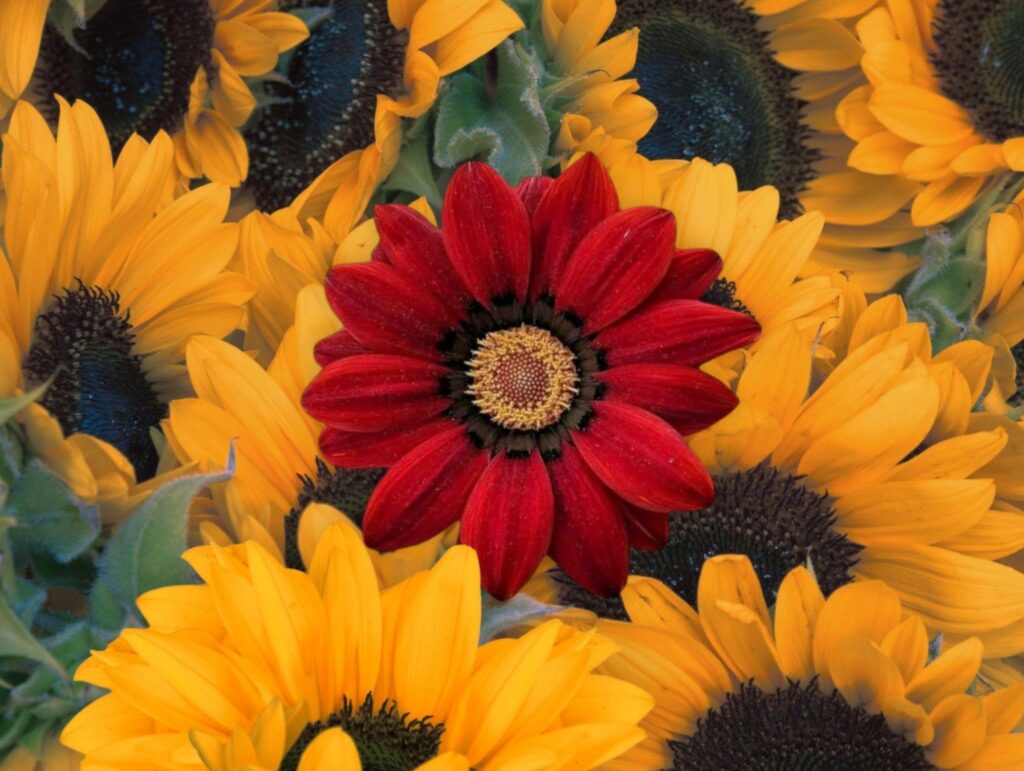
Sunflower is one of the most striking flowering plants that can be grown in home gardens, known for its bold appearance, tall stems, and bright cheerful blooms. While many people associate sunflowers with oilseed production, ornamental sunflowers are specially cultivated for decorative purposes. These varieties come in different heights, colors, and flower forms, making them ideal for garden beds, borders, and landscaping.
Native to North America, sunflower has spread across the world and adapted well to a wide range of climates. In Nepal, ornamental sunflowers grow successfully in warm seasons and are often planted in school gardens, roadside landscapes, and home flower beds. Their tall stems and large blossoms create a dramatic effect, while dwarf varieties are perfect for pots and small gardens.
Because sunflower seeds germinate easily and the plants grow rapidly, they are considered one of the most satisfying flowers for beginners. Their bright blooms also attract bees, butterflies, and other beneficial insects, making them useful for ecological gardening.
Scientific Classification
- Kingdom: Plantae
- Division: Magnoliophyta
- Class: Magnoliopsida
- Order: Asterales
- Family: Asteraceae
- Genus: Helianthus
- Common name: Sunflower
- Native origin: North America
Popular ornamental species:
- Helianthus annuus – main ornamental garden sunflower
- Hybrid dwarf sunflowers – bred for container gardening
- Multi-headed branching varieties – produce many blooms per plant
Identification of Plant
Sunflower is an annual plant that grows upright with a thick, rough stem and large heart-shaped leaves. The leaves are slightly hairy and arranged alternately along the stem. As the plant matures, it produces one or several large flower heads at the top.
The classic sunflower bloom has a dark central disc surrounded by bright yellow petals, but ornamental types may appear in shades of orange, red, bronze, cream, and even bi-color patterns. Some varieties produce single large heads, while others branch and create multiple smaller flowers.
Because of its height, strong stem, and large circular bloom, sunflower is one of the easiest garden plants to recognize.
Climate and Soil Requirement
Sunflower grows best in warm, sunny conditions and needs plenty of light to produce strong stems and large flowers. It performs well in temperatures between 20–35°C, making it suitable for most regions of Nepal during spring and summer.
For best growth:
- Plant in full sunlight with at least 6–8 hours of sun daily
- Use well-drained soil with moderate fertility
- Avoid waterlogged soil as it weakens roots
- Slightly sandy or loamy soil supports better development
Sunflowers are moderately drought tolerant once established but produce larger flowers when watered regularly.
Propagation and Planting Method
Sunflower is almost always grown from seed, and direct sowing in the garden is the best method. Seeds germinate quickly in warm soil and establish strong roots.
Direct Sowing
- Sow seeds 2–3 cm deep directly in garden beds
- Space tall varieties 40–60 cm apart
- Dwarf types can be planted closer at 25–30 cm spacing
- Germination usually occurs within 5–8 days
Pot Planting
For container gardening, use large pots with good drainage. One dwarf sunflower per pot gives best results.
Planting is usually done from late winter to early summer depending on the local climate.
Care and Maintenance
Sunflower is generally easy to maintain, but proper care improves flower size and plant strength.
Watering
Water deeply but not too frequently. Sunflowers prefer moderate moisture but should not remain in soggy soil.
Staking
Tall varieties may require support in windy areas. A simple bamboo stick or garden support helps prevent stem bending.
Fertilization
- Add compost before planting
- Apply balanced fertilizer once during early growth
- Avoid excess nitrogen which causes weak stems
Weeding
Keep the base of plants weed-free so roots receive adequate nutrients and water.
Pest and Disease Management
Sunflowers are usually strong plants but may occasionally suffer from pests and diseases.
Common Pests
- Caterpillars chewing leaves
- Aphids feeding on tender shoots
- Birds eating young seeds
Management
- Handpick caterpillars when seen
- Spray neem oil solution weekly
- Cover young seedlings with light net if birds are a problem
Diseases
- Fungal leaf spots in humid conditions
- Stem rot in poorly drained soil
Proper spacing, sunlight, and moderate watering help prevent most issues.
Flowering and Garden Uses
Sunflower typically begins flowering about 60–75 days after sowing, depending on the variety. Dwarf types may bloom earlier, while tall branching varieties continue producing flowers for a longer period.
In home gardens, ornamental sunflowers are valued for:
- Background planting in flower beds
- Decorative borders and landscape focal points
- Cut flowers for indoor arrangements
- Pollinator-friendly garden design
- Children’s garden projects because of their fast growth
Their bold size and bright color make them one of the most eye-catching flowers in any garden.