

Introduction
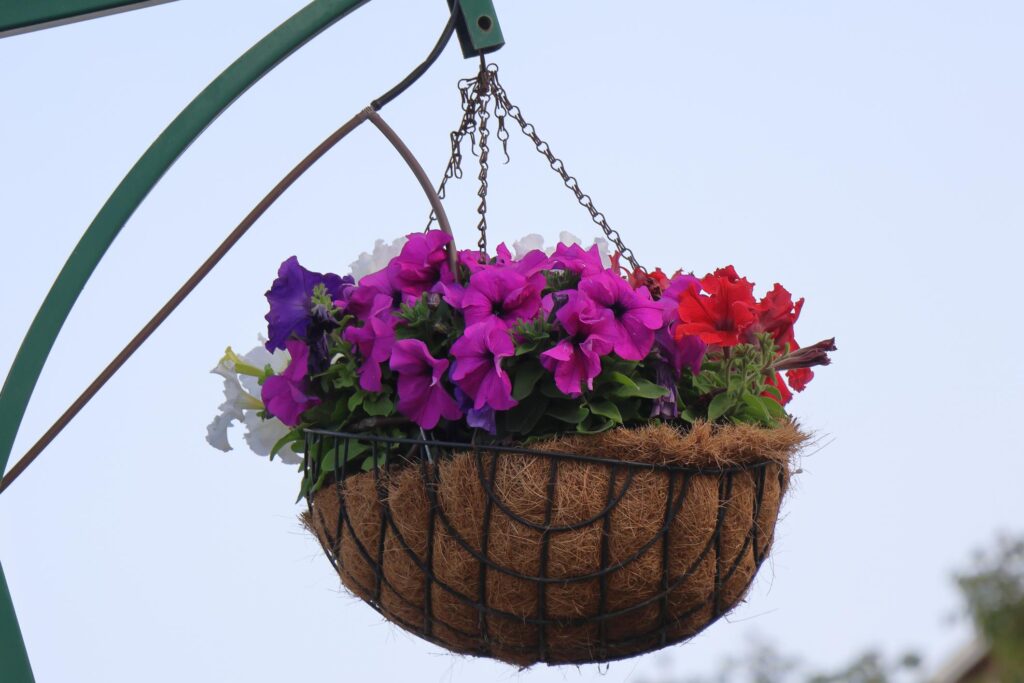
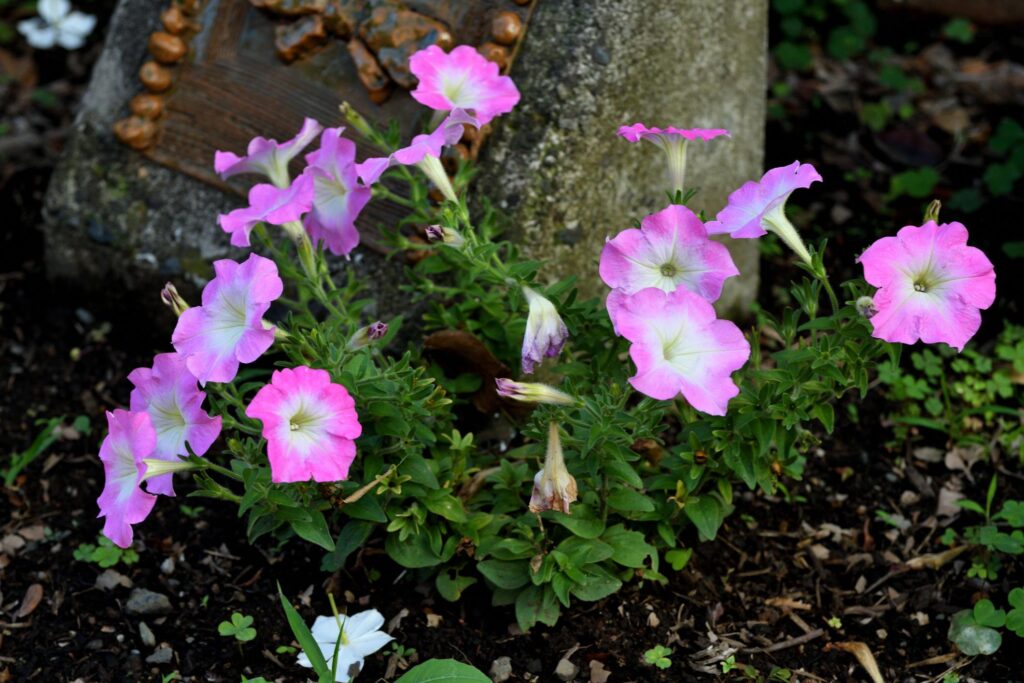
Petunia is one of the most popular flowering plants grown in home gardens, balconies, and hanging baskets. Loved for its bright trumpet-shaped flowers and long blooming season, petunia is considered an ideal flower for beginners who want fast and colorful results. The plant produces abundant blooms in shades of pink, purple, red, white, yellow, and mixed colors, making it perfect for decorating outdoor spaces.
Originally native to South America, petunia has become a global garden favorite because it adapts well to different climates and grows successfully in both garden beds and containers. Its trailing varieties are especially attractive in hanging baskets, while compact types are widely used in flower beds and borders.
Because petunia flowers continuously for months and requires only simple care, it is one of the best ornamental plants for new gardeners who want a beautiful garden with minimal effort.
Scientific Classification
- Kingdom: Plantae
- Division: Magnoliophyta
- Class: Magnoliopsida
- Order: Solanales
- Family: Solanaceae
- Genus: Petunia
- Common name: Petunia
- Native origin: South America
Common garden types include:
- Grandiflora petunia – large flowers but sensitive to rain
- Multiflora petunia – smaller but more weather tolerant
- Trailing or spreading petunia – ideal for hanging baskets
Identification of Plant
Petunia is a soft annual flowering plant with branching stems and slightly sticky green leaves. The plant spreads outward as it grows, forming a bushy or trailing shape depending on the variety.
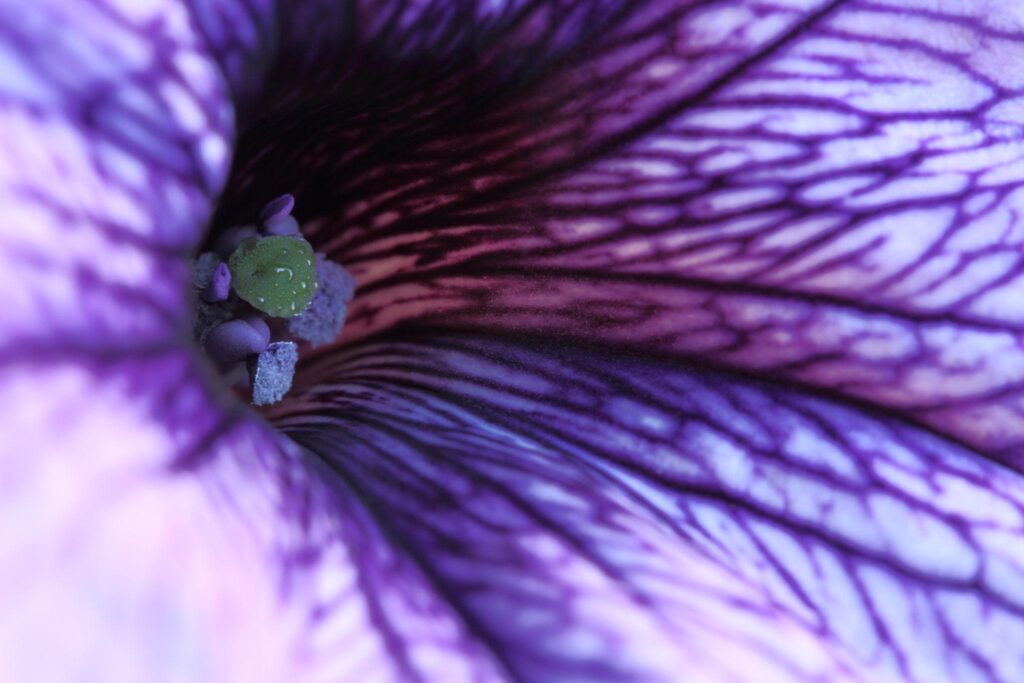
The flowers are funnel-shaped with five fused petals that open into a wide trumpet form. Petunia blooms come in many colors, often with stripes, veins, or contrasting centers. The plant flowers heavily and continuously when conditions are favorable.
Its soft hairy stems, slightly sticky leaves, and trumpet-shaped blooms make petunia easy to identify in any garden or container.
Climate and Soil Requirement
Petunia grows best in mild to warm climates with plenty of sunlight. It performs well in temperatures between 15–28°C, making it suitable for most mid-hill and Terai regions of Nepal during winter and spring.
For best growth:
- Provide at least 6 hours of direct sunlight daily
- Use light, well-drained soil enriched with compost
- Avoid heavy clay soils that hold excess moisture
- Potting mix with sand and organic matter works very well
Petunia does not tolerate waterlogging, so drainage is extremely important.
Propagation and Planting Method
Petunia is commonly grown from seed, though hybrid seedlings are also available in nurseries.
Seed Sowing
- Sow seeds on the soil surface without deep covering
- Press lightly into moist soil
- Keep in a bright but shaded place
- Germination occurs in 7–12 days
Transplanting
- Seedlings are ready after 3–4 weeks
- Space plants 25–30 cm apart in beds
- For pots, use one plant per 20–25 cm container
Planting is best done in early winter or spring for continuous flowering.
Care and Maintenance
Petunia is easy to maintain but benefits from regular attention.
Watering
Water when the topsoil becomes dry. Avoid constant wet soil as roots may rot.
Deadheading
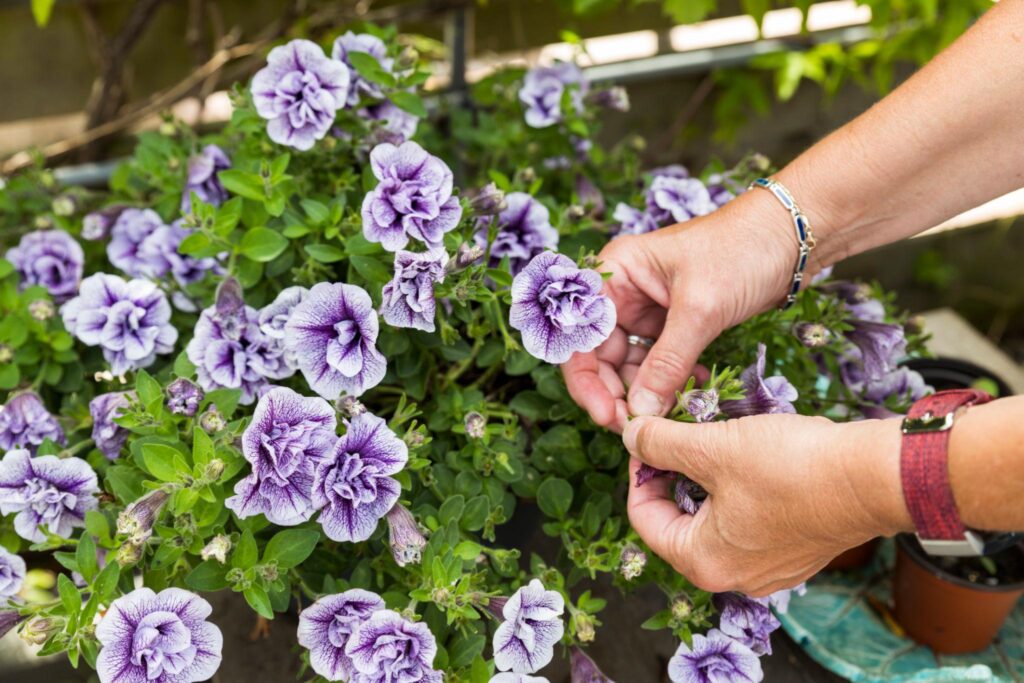
Remove faded flowers regularly. This encourages new buds and keeps plants blooming longer.
Fertilization
- Apply compost before planting
- Use liquid fertilizer every 10–15 days
- Balanced fertilizer supports continuous flowering
Pruning
If plants become leggy, trim lightly to promote fresh growth.
Pest and Disease Management
Petunia may sometimes face pest problems, especially in warm and humid conditions.
Common Pests
- Aphids sucking sap from leaves
- Whiteflies causing yellowing
- Caterpillars eating leaves and buds
Management
- Spray neem oil weekly
- Handpick caterpillars
- Use mild soap spray for aphids
- Keep plants in sunny, airy locations
Diseases
- Root rot from overwatering
- Fungal leaf spots in humid weather
Proper drainage and sunlight usually prevent most issues.
Flowering, Harvesting and Uses
Petunia starts flowering about 50–60 days after planting and can bloom continuously for several months with proper care.
Uses
- Hanging baskets and balcony decoration
- Flower beds and garden borders
- Ground cover in landscaping
- Colorful display in public gardens
- Ideal for terrace gardening
Because of its bright colors and long flowering season, petunia is one of the most loved ornamental flowers worldwide.