
Introduction
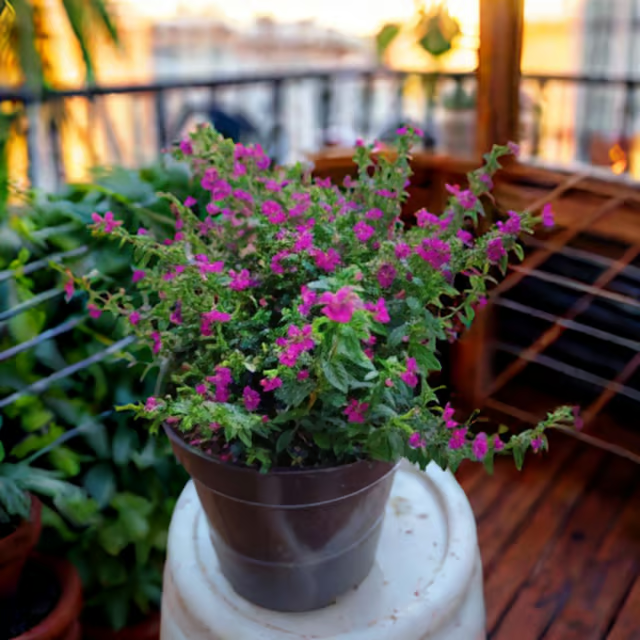
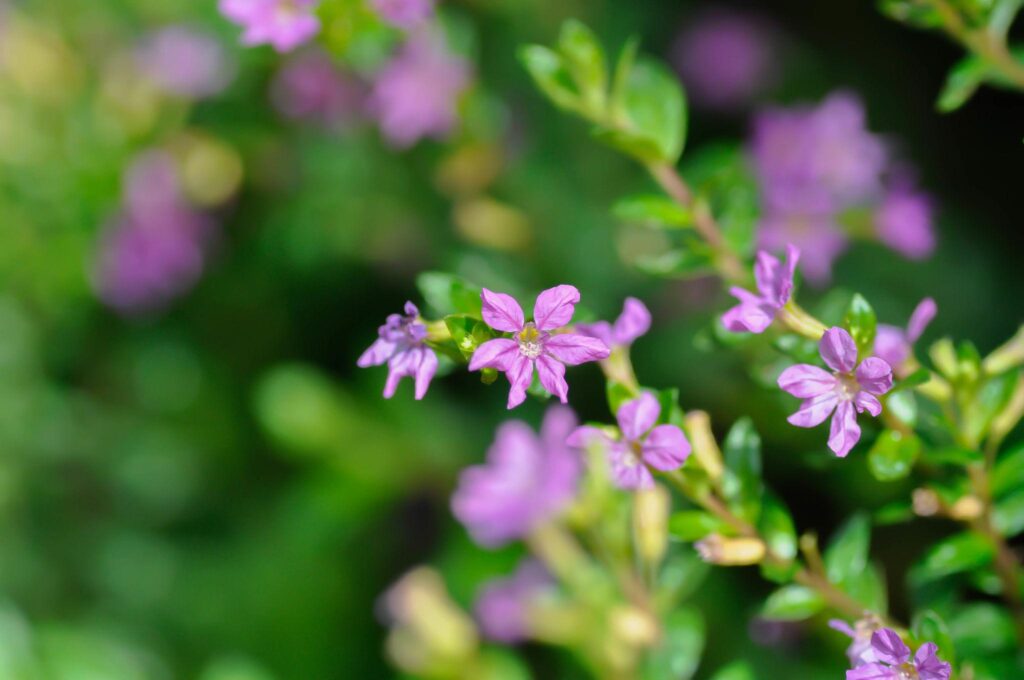
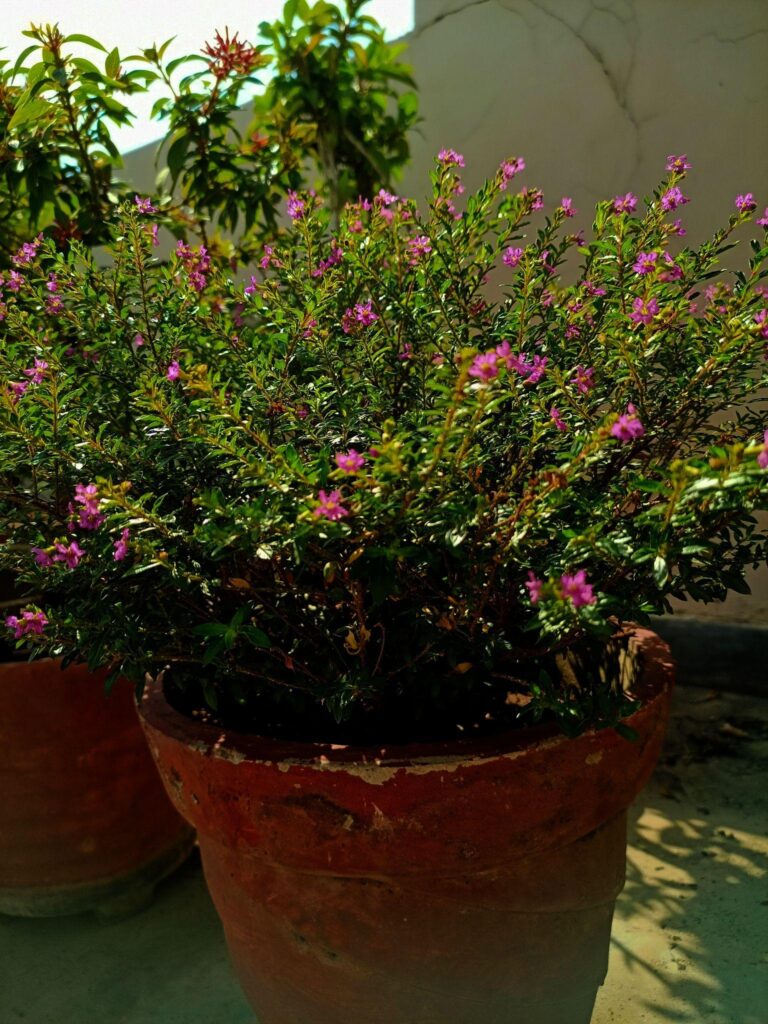
Cuphea is a bright and attractive annual flowering plant valued for its unique tubular blooms and long flowering season. It is especially admired for its ability to attract pollinators such as bees, butterflies, and hummingbird-like insects. Because of its compact growth and colorful flowers, cuphea is widely grown in flower beds, borders, and containers.
Native to Mexico and Central America, cuphea thrives in warm climates and adapts well to growing conditions in Nepal during spring, summer, and early autumn. Gardeners prefer it because it grows easily from seed or seedlings, tolerates heat, and continues flowering for a long time once established.
Its neat appearance, vivid colors, and suitability for both pots and beds make cuphea one of the most useful annual plants for ornamental gardening.
Scientific Classification
Kingdom: Plantae
Division: Magnoliophyta
Class: Magnoliopsida
Order: Myrtales
Family: Lythraceae
Genus: Cuphea
Common ornamental species: Cuphea hyssopifolia and Cuphea ignea
Common name: Cuphea, cigar plant, false heather (depending on species)
Native origin: Mexico and Central America
Garden varieties include compact bedding types and small shrubs often grown as seasonal annuals.
Identification of Plant
Cuphea is a small bushy plant that usually grows between 25–45 cm tall. The plant develops many branching stems covered with small green leaves, forming a dense and neat structure.
The flowers are tubular and narrow, often appearing in shades of purple, pink, red, white, or orange depending on the species. Some varieties, like the cigar plant, have red tubular flowers with darker tips.
Because of its compact form and distinctive tubular blooms, cuphea is easily recognized in ornamental beds and containers. The plant produces flowers continuously along the stems, giving it a colorful appearance for a long time.
Climate and Soil Requirement
Cuphea prefers warm and sunny conditions and grows best in temperatures between 20–32°C. It performs very well in Nepal during spring and summer in sunny or lightly shaded locations.
Choose a site receiving full morning sun and light afternoon shade if temperatures are extremely high. Soil should be loose, moderately fertile, and well drained. Mixing compost into the soil before planting helps support better growth and flowering.
Cuphea prefers moderate fertility rather than extremely rich soil. Good drainage is essential because the plant does not tolerate waterlogged conditions.
Propagation and Planting Method
Cuphea can be grown from seed, seedlings, or stem cuttings depending on availability.
For seed sowing, spread seeds lightly on moist soil and cover with a thin layer of compost. Germination usually occurs within 8–12 days in warm conditions. Seedlings are ready for transplanting after about three to four weeks.
Stem cuttings root easily in moist soil and are often used to propagate specific varieties. Maintain spacing of about 25–30 cm between plants in beds, or plant one or two seedlings per pot depending on size.
Planting is usually done in early spring so that flowering continues through summer and early autumn.
Care and Maintenance
Cuphea requires moderate care but rewards gardeners with continuous blooms.
Water plants regularly to keep the soil slightly moist but not soggy. Consistent moisture supports healthy growth and prolonged flowering.
Applying compost before planting usually provides sufficient nutrients. A light liquid fertilizer every two to three weeks may encourage stronger flowering, especially in container plants.
Light trimming of old stems can help maintain a compact shape and encourage fresh growth. Removing dried flowers is usually not necessary, as the plant continues producing new blooms naturally.
Weeding during early growth stages ensures plants establish properly and receive adequate nutrients.
Pest and Disease Management
Cuphea is generally resistant to major pests and diseases, though occasional problems may occur.
Aphids and whiteflies may attack tender shoots and buds, reducing plant vigor. Spider mites may appear during hot dry weather and cause leaf discoloration.
Neem oil spray applied weekly works well as an organic preventive treatment. Washing plants with mild soap solution also helps remove sucking insects effectively.
Fungal diseases such as root rot or leaf spots may occur in poorly drained or overcrowded beds. Proper spacing, sunlight, and moderate watering usually prevent such issues.
Healthy plants grown in airy, sunny locations remain productive for a long time.
Flowering and Garden Uses
Cuphea usually begins flowering about 60–70 days after planting and continues blooming for many weeks. Its bright tubular blooms provide a lively display throughout the warm season.
In home gardening, cuphea is widely used for:
Seasonal bedding displays
Container and balcony gardening
Pollinator-friendly garden planting
Low borders and edging
Decorative mixed flower arrangements
Because of its continuous flowering and compact growth, cuphea is especially useful for creating colorful summer garden displays.