
Introduction
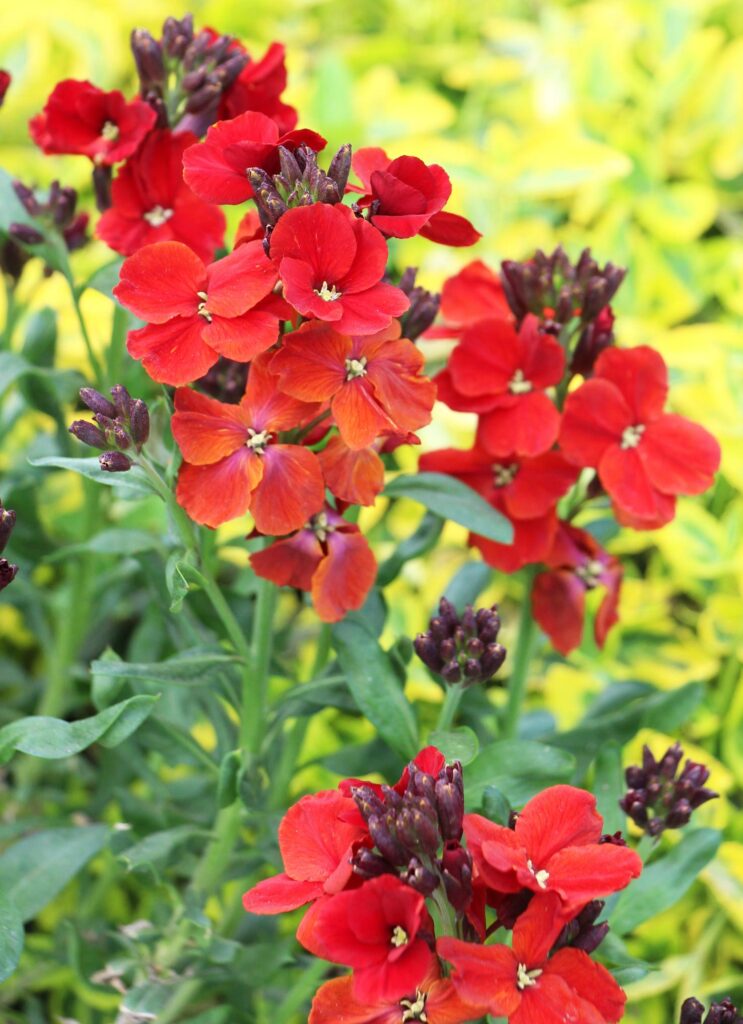
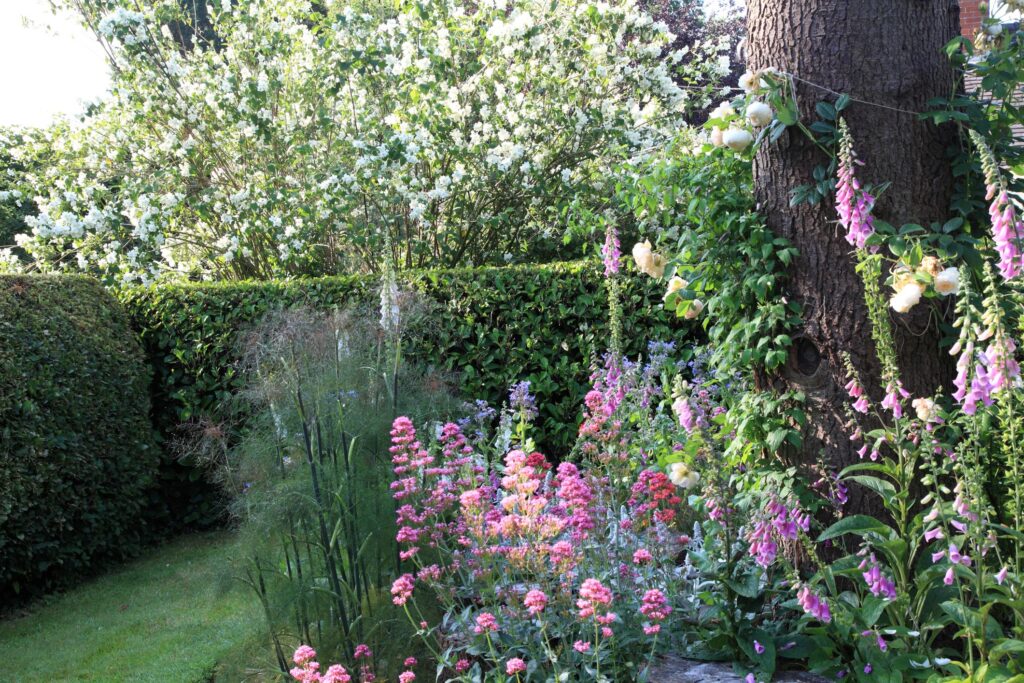
Wallflower is a fragrant and colorful biennial plant widely grown in ornamental gardens for its clusters of small, richly scented flowers. It is especially valued for producing blooms in cool seasons when many other flowers are not yet in full display. Because of its pleasant fragrance, compact structure, and long flowering period, wallflower is often planted along pathways, borders, and near living spaces where its scent can be enjoyed.
Native to southern Europe and the Mediterranean region, wallflower adapts well to temperate climates and grows successfully in many parts of Nepal during winter and spring. Gardeners prefer it because it grows easily from seed, produces flowers in its second year, and tolerates cooler conditions better than many annuals.
Its combination of fragrance, vibrant colors, and reliability in cool seasons makes wallflower one of the most useful biennial ornamentals for decorative planting.
Scientific Classification
Kingdom: Plantae
Division: Magnoliophyta
Class: Magnoliopsida
Order: Brassicales
Family: Brassicaceae
Genus: Erysimum
Species: Erysimum cheiri (often cultivated as Erysimum × cheiri)
Common name: Wallflower
Native origin: Southern Europe and Mediterranean region
Garden varieties include yellow, orange, red, purple, and brown-toned types, many bred for strong fragrance and compact growth.
Identification of Plant
Wallflower is a bushy biennial herb that forms leafy growth in the first year and produces flowering stems in the second year. Plants usually grow between 30–60 cm tall when in bloom.
Leaves are narrow, slightly grey-green, and arranged densely along the stems. The plant develops branching flowering stalks topped with clusters of small four-petaled flowers.
The blooms often appear in warm shades such as golden yellow, burnt orange, reddish-brown, or deep purple, many releasing a sweet fragrance especially during mild weather.
Because of its compact structure, greyish foliage, and scented clustered flowers, wallflower is easily recognized in ornamental beds.
Climate and Soil Requirement
Wallflower prefers cool to moderately warm conditions and grows best in temperatures between 10–24°C. It performs very well in Nepal during winter and early spring.
The plant grows best in full sunlight, though it can tolerate light shade. Soil should be fertile, well drained, and slightly alkaline if possible. Mixing compost and a small amount of lime into the soil helps improve growth and flowering.
Wallflower prefers moderate fertility rather than very rich soil. Good drainage is essential because excess moisture may cause root problems.
Propagation and Planting Method
Wallflower is commonly grown from seed and is usually raised in nursery beds before transplanting.
Seeds should be sown about 1 cm deep in prepared soil and kept moist until germination, which usually occurs within 7–12 days. Seedlings are ready for transplanting after about four weeks.
Spacing of about 25–30 cm between plants allows proper airflow and uniform growth.
Planting is usually done in early winter so that plants establish before flowering in spring.
In suitable conditions, wallflower may also self-seed and continue appearing naturally in the garden.
Care and Maintenance
Wallflower requires moderate care but is generally easy to maintain.
Water plants regularly but moderately, keeping the soil slightly moist without becoming soggy. Excess watering should be avoided because it may weaken roots.
Applying compost before planting usually provides sufficient nutrients. A light balanced fertilizer during early growth may support better flower production.
Pinching young plants once can help encourage branching and produce more flower stems. Removing faded blooms helps maintain appearance and prolongs flowering.
Weeding during early stages ensures plants establish properly and receive adequate nutrients and sunlight.
Pest and Disease Management
Wallflower is generally hardy but may occasionally face pest or disease issues.
Aphids may attack young shoots and buds, reducing plant vigor. Flea beetles may chew small holes in leaves, especially in warm weather.
Neem oil spray works well as an organic preventive treatment. Removing heavily infested plant parts early also helps reduce pest spread.
Fungal diseases such as downy mildew or root rot may occur in poorly drained or overcrowded beds. Proper spacing, sunlight, and moderate watering usually prevent these problems.
Healthy plants grown in airy, sunny locations remain productive throughout the season.
Flowering and Garden Uses
Wallflower usually flowers in its second year, producing clusters of fragrant blooms from late winter into spring.
In home gardening, wallflower is widely used for:
Fragrant seasonal flower beds
Pathway and border planting
Cottage-style garden layouts
Container and terrace gardening
Pollinator-friendly planting schemes
Because of its fragrance and warm-toned flowers, wallflower is especially effective for creating welcoming garden spaces during cool seasons.