

Introduction
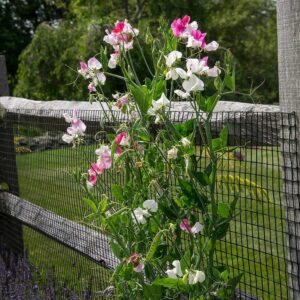
Sweet pea is one of the most elegant annual flowering climbers grown in home gardens for its beautiful blooms and pleasant fragrance. The plant is especially valued for its delicate butterfly-shaped flowers that appear in clusters and fill the air with a soft, sweet scent. Because of its climbing habit and long stems, sweet pea is often used along fences, trellises, arches, and garden supports.
Originally native to the Mediterranean region, sweet pea has been cultivated worldwide as an ornamental flowering plant. In Nepal, it performs best during the cool winter and spring seasons when temperatures remain moderate. Gardeners appreciate sweet pea because it grows easily from seed and produces flowers suitable for cutting and indoor decoration.
Its graceful appearance, climbing nature, and scented blooms make sweet pea one of the most desirable plants for decorative gardening. When grown properly, it provides a continuous display of color and fragrance for several weeks.
Scientific Classification
Kingdom: Plantae
Division: Magnoliophyta
Class: Magnoliopsida
Order: Fabales
Family: Fabaceae
Genus: Lathyrus
Species: Lathyrus odoratus
Common name: Sweet pea
Native origin: Mediterranean region
Modern garden varieties include dwarf types for pots and tall climbing types for trellises and supports.
Identification of Plant
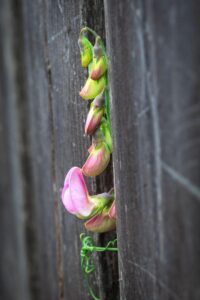
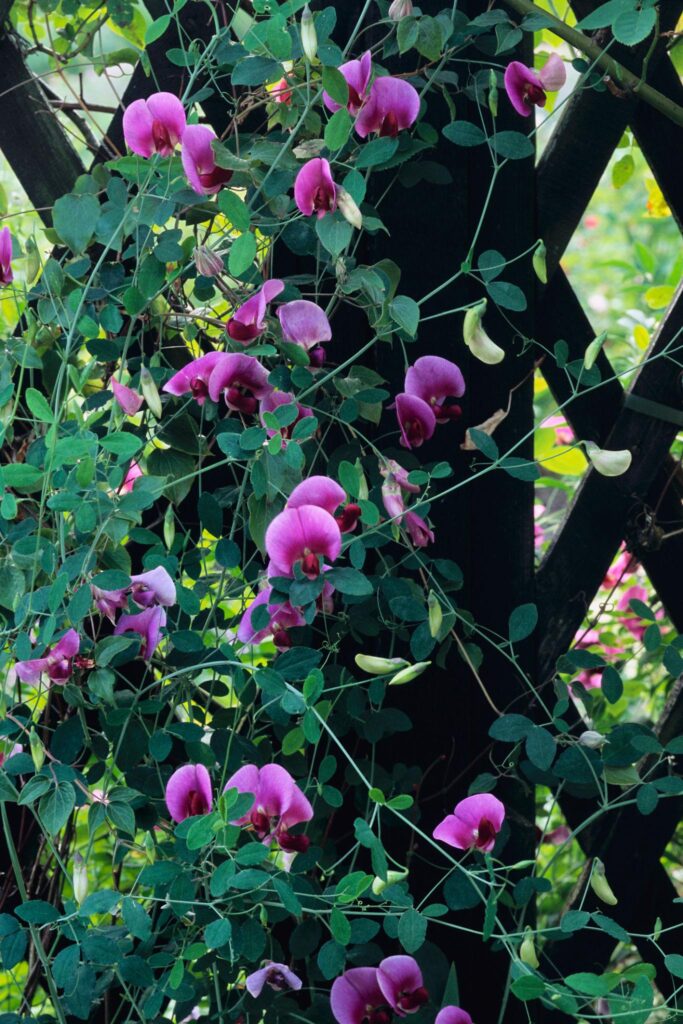
Sweet pea is a soft annual climber that produces slender stems and delicate compound leaves ending in tendrils. These tendrils help the plant climb naturally by gripping nearby supports.
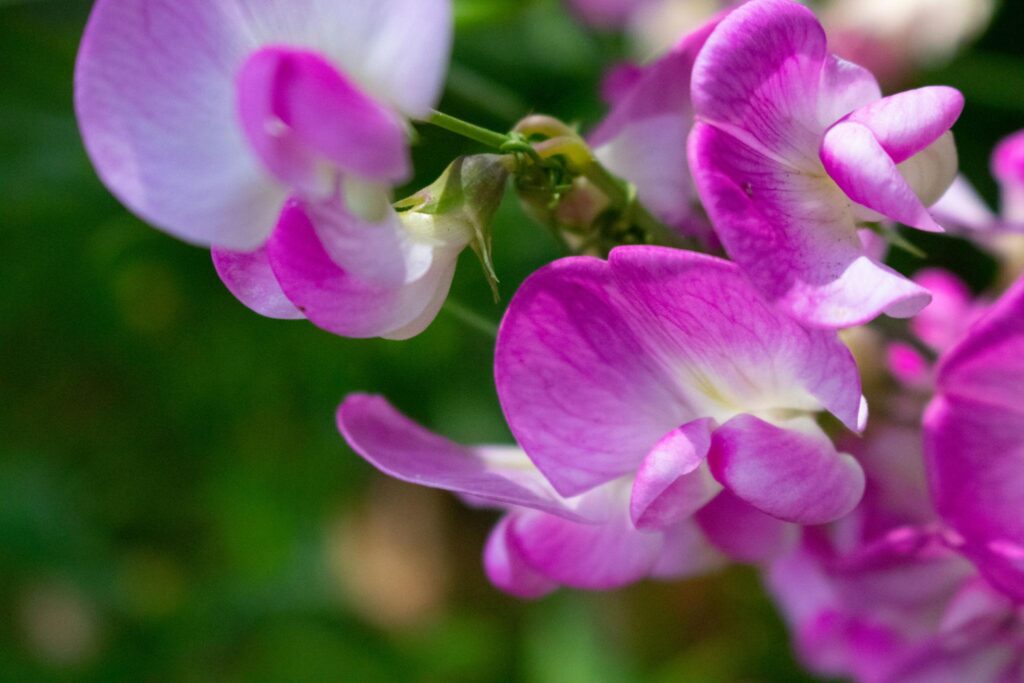
The flowers are shaped like small butterflies, with broad upper petals and curved lower petals forming a graceful bloom. They appear in clusters along the stem and come in many shades such as pink, purple, red, blue, white, and bi-color combinations.
Because of its climbing growth habit, fine tendrils, and scented blossoms, sweet pea is easily recognized in gardens. The plant usually grows to about 1–2 meters in height when provided with proper support.
Climate and Soil Requirement
Sweet pea prefers cool and mild weather conditions. It performs best in temperatures between 12–22°C, making it very suitable for winter and early spring cultivation in Nepal.
For best growth, choose a sunny location with light shade during very warm afternoons. Soil should be fertile, loose, and well drained. Mixing compost or well-rotted manure before planting improves flowering performance.
Sweet pea prefers moderately fertile soil rather than excessively rich conditions. Good drainage is essential because the plant does not tolerate waterlogged soil.
Propagation and Planting Method
Sweet pea is grown from seed and is usually sown directly where it will grow.
Before sowing, seeds can be soaked overnight in water to soften the seed coat and improve germination. Sow seeds about 2–3 cm deep in prepared soil and space them 20–25 cm apart.
Germination typically occurs within 7–12 days. Once seedlings emerge, provide support early so that the plant can climb naturally.
For container gardening, deep pots are recommended because sweet pea develops a strong root system. Planting is usually done in late autumn or early winter so that flowering begins in spring.
Care and Maintenance
Sweet pea requires moderate care but responds well to proper attention.
Water plants regularly, keeping soil moist but not soggy. Consistent watering helps produce healthy growth and continuous flowers. Mulching around the base helps conserve moisture and maintain soil temperature.
Applying compost before planting usually provides sufficient nutrients, but a light balanced fertilizer every two to three weeks may improve flowering. Avoid excess nitrogen fertilizer, which encourages leafy growth instead of blooms.
Provide strong support such as bamboo sticks, trellis, or netting so that plants climb freely. Training stems early helps create a neat and decorative display.
Removing faded flowers encourages the plant to produce new buds and prolongs the flowering period, ensuring a long flowering season.
Pest and Disease Management
Sweet pea is generally healthy but may face a few problems.
Aphids may attack tender shoots and buds, causing distorted growth. Thrips may also damage flowers and reduce their attractiveness. Occasional caterpillars may chew leaves.
Neem oil spray works well as a preventive treatment. Washing plants with mild soap solution can also remove sucking insects effectively.
Fungal diseases such as powdery mildew may appear in humid weather or crowded plantings. Ensuring proper spacing, sunlight, and airflow helps prevent disease development. Watering at soil level rather than overhead also reduces infection risk.
Maintaining healthy soil and avoiding excess fertilizer usually keeps plants strong and resistant.
Flowering and Garden Uses
Sweet pea begins flowering about 70–80 days after sowing and continues producing blooms for several weeks. The flowers are especially valued for their fragrance and suitability as cut flowers.
In home gardening, sweet pea is widely used for:
Decorating fences, arches, and trellises
Vertical gardening in small spaces
Cut flowers for indoor decoration
Fragrant garden planting
Creating colorful climbing displays in seasonal beds
Because of its fragrance and elegant blooms, sweet pea remains one of the most loved ornamental climbers for winter and spring gardens.