
Introduction
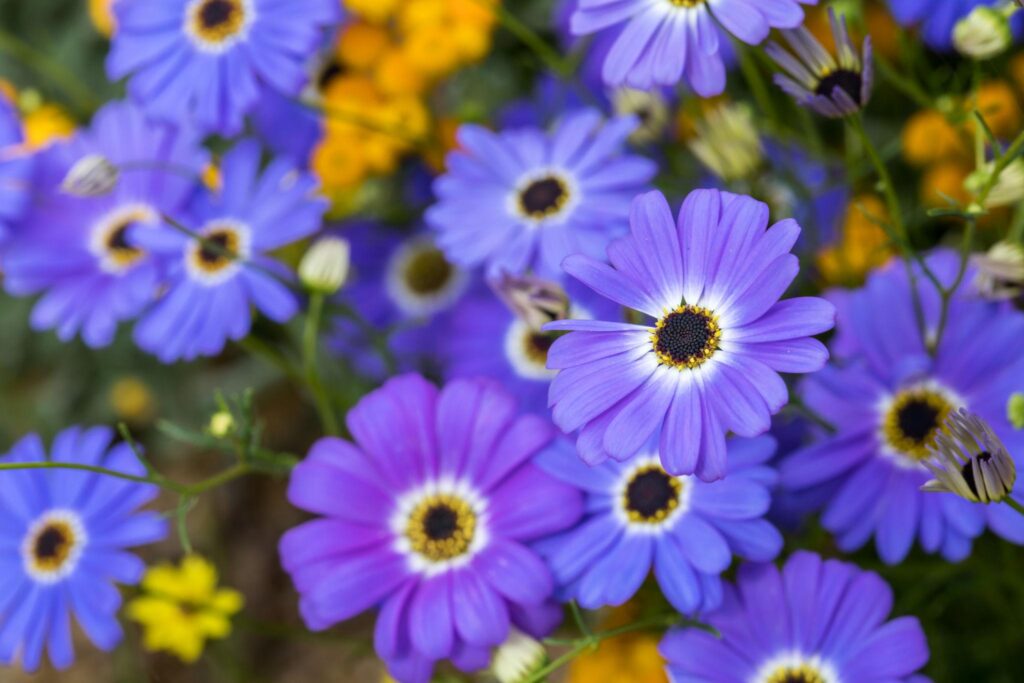
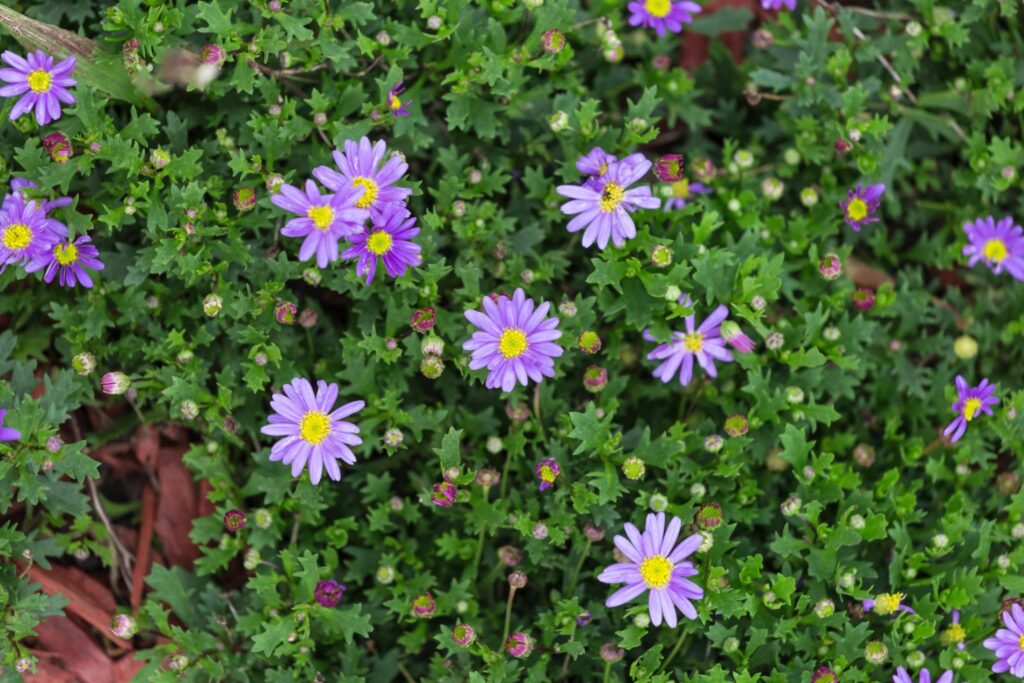
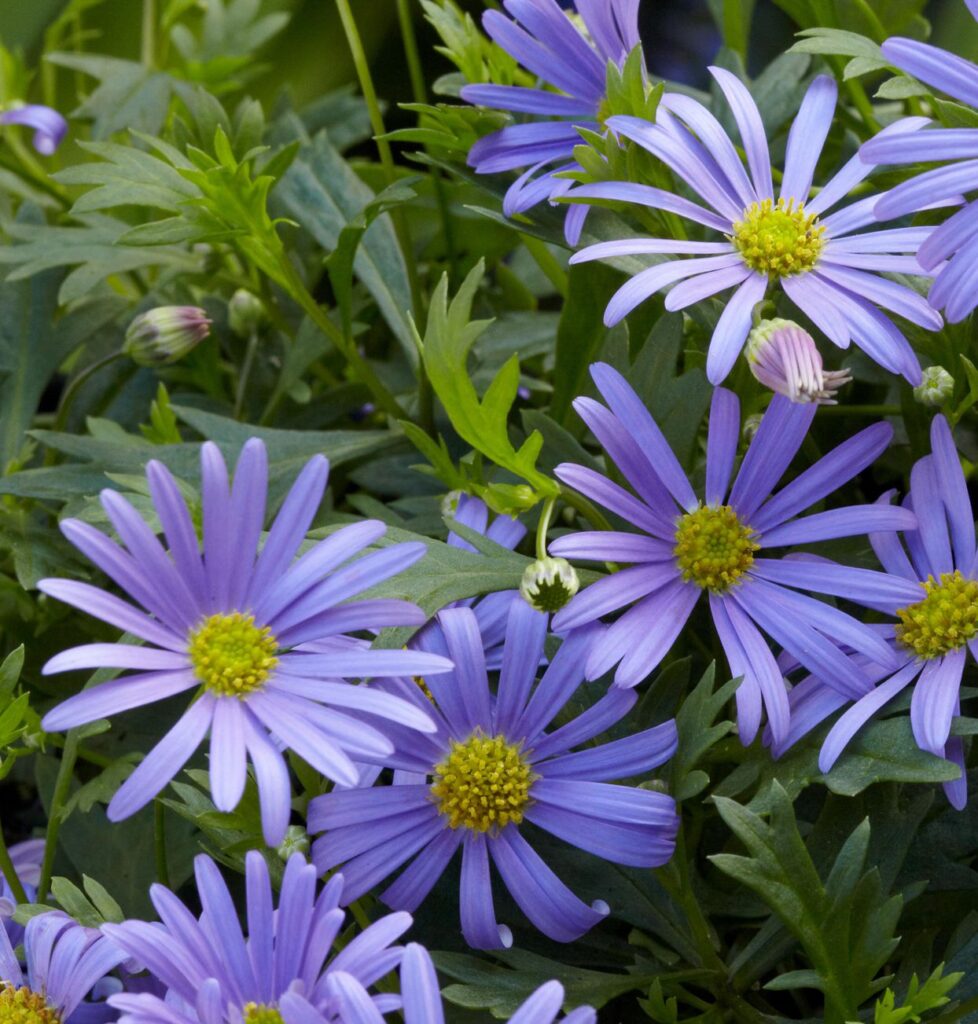
Swan River daisy is a delicate and colorful annual flowering plant admired for its fine foliage and soft daisy-like blooms. It is especially valued for producing masses of flowers that create a light, cheerful display in ornamental beds and containers. Because of its compact growth and pastel shades, Swan River daisy is widely planted in borders, rock gardens, balcony pots, and mixed seasonal arrangements.
Native to Western Australia, this plant grows well in moderate climates and adapts successfully to winter and spring conditions in Nepal. Gardeners appreciate it because it grows easily from seed, flowers within a short time, and requires only basic care once established.
Its combination of fine texture, attractive blooms, and suitability for both beds and containers makes Swan River daisy one of the most charming annual flowers for decorative gardening.
Scientific Classification
Kingdom: Plantae
Division: Magnoliophyta
Class: Magnoliopsida
Order: Asterales
Family: Asteraceae
Genus: Brachyscome
Species: Brachyscome iberidifolia
Common name: Swan River daisy
Native origin: Western Australia
Garden varieties include blue, purple, pink, white, and lavender flowering types used for bedding and container planting.
Identification of Plant
Swan River daisy is a small bushy annual herb that usually grows between 20–30 cm tall. The plant forms a rounded mound of slender branching stems.
Leaves are finely divided and soft, giving the plant a light and airy appearance. The flowers are small, daisy-like, and appear in large numbers above the foliage. Each bloom has narrow petals surrounding a yellow or dark central disc.
Common flower colors include blue, lavender, purple, pink, and white depending on the variety. Because of its fine foliage and numerous blooms, Swan River daisy is easily recognized in ornamental plantings.
Climate and Soil Requirement
Swan River daisy prefers cool to moderately warm conditions and grows best in temperatures between 12–25°C. It performs very well in Nepal during winter and early spring.
Choose a sunny location with good air circulation. Soil should be loose, moderately fertile, and well drained. Mixing compost into the soil before planting helps improve structure and supports better flowering.
The plant prefers moderate soil fertility rather than extremely rich soil. Excess fertilizer may result in leafy growth with fewer flowers. Good drainage is essential because waterlogged soil may damage the roots.
Propagation and Planting Method
Swan River daisy is commonly grown from seed and can be sown directly in beds or raised in nursery trays.
For nursery sowing, spread seeds lightly on moist soil and cover with a thin layer of fine compost. Germination usually occurs within 7–10 days. Seedlings are ready for transplanting after about three weeks.
Spacing of about 20–25 cm between plants allows good airflow and helps them develop a uniform canopy. Direct sowing is also possible in mild climates.
Planting is usually done in early winter so that flowering continues into spring.
Care and Maintenance
Swan River daisy is easy to maintain and suitable for beginner gardeners.
Water plants moderately, keeping the soil slightly moist but not soggy. Overwatering should be avoided because it may cause root problems.
Applying compost before planting usually provides sufficient nutrients for the season. Additional fertilizer is rarely needed unless soil fertility is extremely poor.
Removing faded flowers helps maintain plant appearance and encourages continued blooming. Light trimming may also promote fresh growth and branching.
Weeding during early growth stages ensures plants establish properly and receive sufficient nutrients and sunlight.
Pest and Disease Management
Swan River daisy is generally resistant to major pests and diseases, though occasional issues may occur.
Aphids may attack young shoots and buds, reducing plant vigor. Thrips may sometimes damage flowers and reduce their decorative quality.
Neem oil spray applied weekly works well as an organic preventive treatment. Removing affected plant parts early also helps reduce pest spread.
Fungal diseases such as root rot or leaf spots may occur in poorly drained or overcrowded beds. Proper spacing, sunlight, and moderate watering usually prevent such problems.
Healthy plants grown in cool, airy conditions rarely suffer from serious disease.
Flowering and Garden Uses
Swan River daisy usually begins flowering about 55–65 days after planting and continues blooming for several weeks. Its soft colors and dense flowering make it ideal for seasonal displays.
In home gardening, Swan River daisy is widely used for:
Seasonal flower beds and borders
Rock garden planting
Container and balcony gardening
Soft-textured mixed displays
Pathway edging and terrace gardens
Because of its compact growth and numerous blooms, Swan River daisy is especially effective for creating cheerful winter garden layouts.