

Introduction
Annual phlox is one of the most charming seasonal flowers used in home gardens, parks, and landscape beds. It is admired for its soft, star-shaped blooms and wide range of colors that create a carpet-like floral display. Because it flowers heavily and remains compact, phlox is especially suitable for borders, edging, and mass planting in flower beds.
Native to North America, annual phlox has been cultivated widely across the world as an ornamental bedding plant. In Nepal, it grows best during winter and spring when temperatures are mild and sunlight is abundant. Gardeners appreciate phlox because it germinates easily from seed and produces flowers within a short time.
Its ability to create dense color patches, combined with its gentle fragrance and soft foliage, makes phlox a favorite for both beginner and experienced gardeners. When planted in groups, it produces a striking effect that enhances the beauty of any garden space.
Scientific Classification
Kingdom: Plantae
Division: Magnoliophyta
Class: Magnoliopsida
Order: Ericales
Family: Polemoniaceae
Genus: Phlox
Common name: Annual phlox
Native origin: North America
The most common ornamental species grown in gardens is Phlox drummondii, known for its rich colors and compact growth.
Identification of Plant
Annual phlox is a small, bushy herb that grows to about 20–40 cm in height. The plant forms multiple branches, creating a rounded mound covered with flowers. Leaves are narrow, slightly hairy, and arranged opposite each other on the stem.
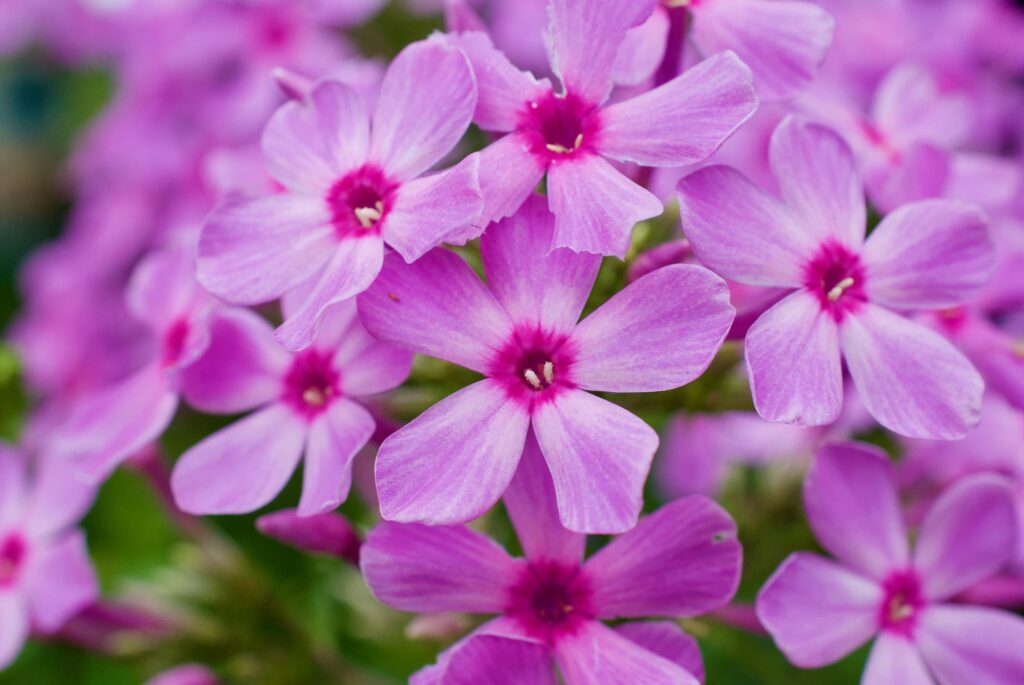
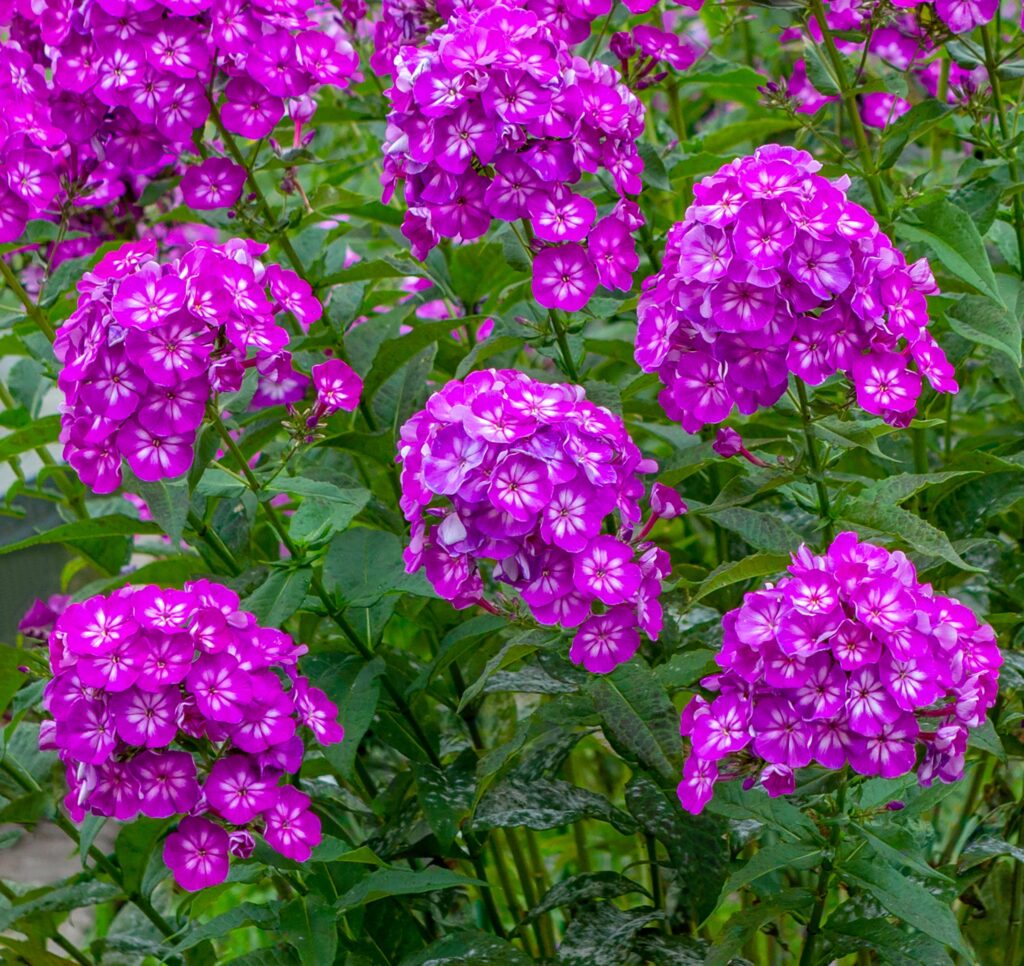
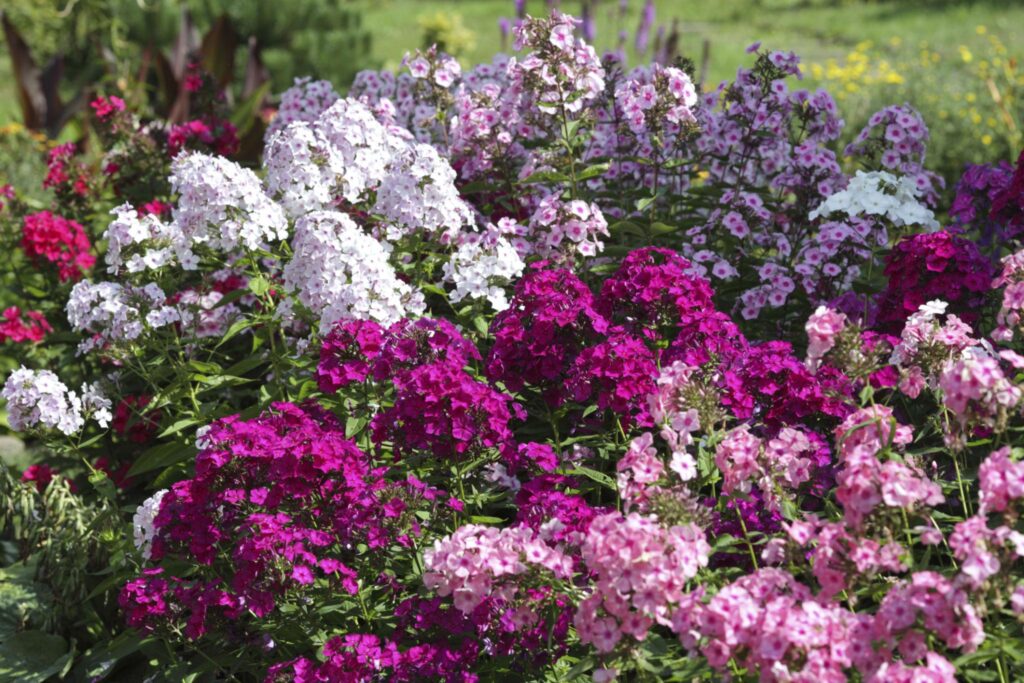
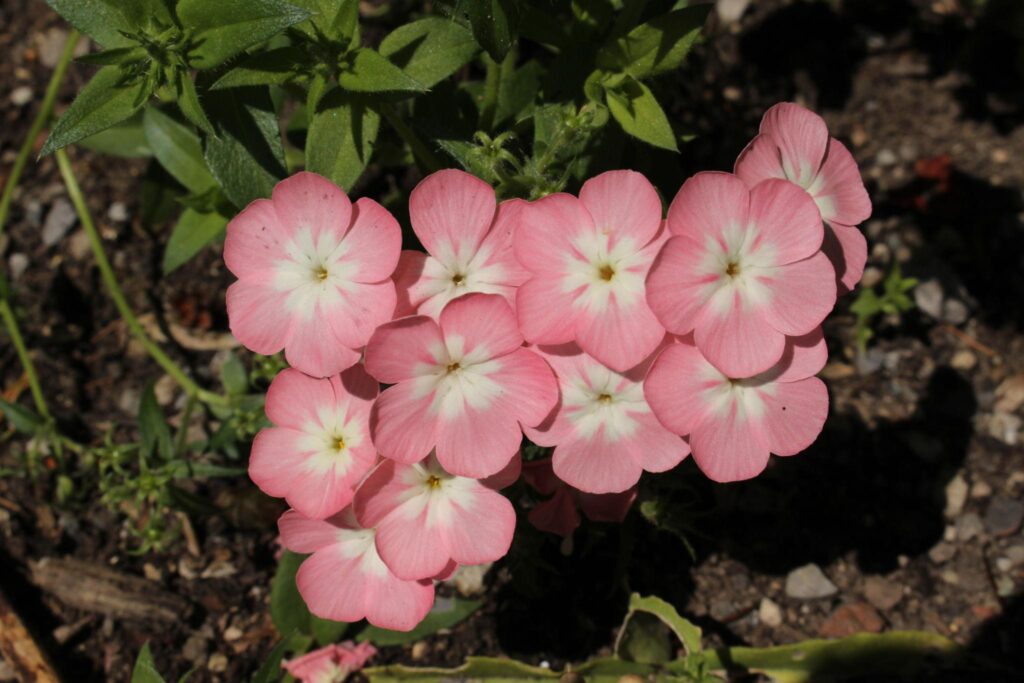
The flowers are flat and star-shaped, usually with five petals. They appear in clusters at the top of stems and come in many colors including white, pink, red, purple, blue, and bi-color combinations. Some varieties also show contrasting centers, which add visual interest.
Because of its compact growth habit, dense branching, and clustered blooms, phlox is easily recognized in garden beds. It is especially effective when planted in groups to form a bright seasonal flower carpet.
Climate and Soil Requirement
Phlox grows best in cool to moderately warm climates and prefers plenty of sunlight. It performs well in temperatures between 15–25°C, which makes it ideal for winter and spring gardening in Nepal.
For successful cultivation, choose a sunny location with at least five to six hours of light daily. Soil should be loose, fertile, and well drained. Mixing compost or farmyard manure before planting helps improve growth and flowering.
Phlox prefers moderate soil fertility rather than overly rich conditions. Excess nitrogen may produce more leaves but fewer flowers. Proper drainage is important because waterlogged soil may damage roots and reduce flowering performance.
Propagation and Planting Method
Annual phlox is commonly grown from seed and can be raised in nursery trays or sown directly into prepared beds.
For nursery sowing, spread seeds lightly over moist soil and cover with a thin layer of fine compost. Germination usually occurs within 7–10 days under warm conditions. Seedlings are ready for transplanting after about three weeks when they develop several true leaves.
Spacing of about 20–25 cm between plants is suitable for most bedding varieties. Planting is usually done in early winter so that flowering begins in late winter and continues into spring.
Direct sowing can also be done in well-prepared beds, especially where winters are mild.
Care and Maintenance
Phlox is relatively easy to maintain but benefits from regular care.
Water plants moderately, ensuring the soil stays slightly moist but not soggy. Excess watering may cause root problems or fungal issues. Watering at the base rather than on leaves helps reduce disease risk.
Applying compost before planting usually provides enough nutrients for the season. However, a light liquid fertilizer once every two to three weeks can promote continuous flowering.
Removing faded flowers helps stimulate new buds and keeps the plants tidy. This simple practice greatly extends the flowering period and maintains a long blooming display in the garden.
Weeding during early growth stages is important so that plants receive adequate sunlight and nutrients.
Pest and Disease Management
Annual phlox is generally healthy but may occasionally suffer from pests and diseases.
Aphids are the most common problem, feeding on young shoots and causing curling leaves. Thrips may also appear and damage flower petals, reducing their attractiveness.
Neem oil spray works well as an organic preventive measure when applied regularly. Washing plants with mild soap solution can also help remove sucking insects.
Fungal diseases such as powdery mildew may appear in humid or overcrowded conditions. Ensuring proper spacing, sunlight, and soil-level watering helps prevent this issue.
Maintaining good airflow around plants and avoiding excessive nitrogen fertilizer are simple steps that keep phlox healthy.
Flowering and Garden Uses
Phlox usually begins flowering about 45–55 days after planting and continues blooming for several weeks. When grown in groups, it forms a dense blanket of color that enhances the visual appeal of the garden.
In home gardening, phlox is widely used for:
Bedding displays in parks and gardens
Border and edging plantings
Mixed seasonal flower arrangements
Container and terrace gardening
Creating low growing ornamental borders
Because of its compact size, soft fragrance, and rich colors, phlox remains one of the most popular seasonal flowers for decorative planting.