

Introduction
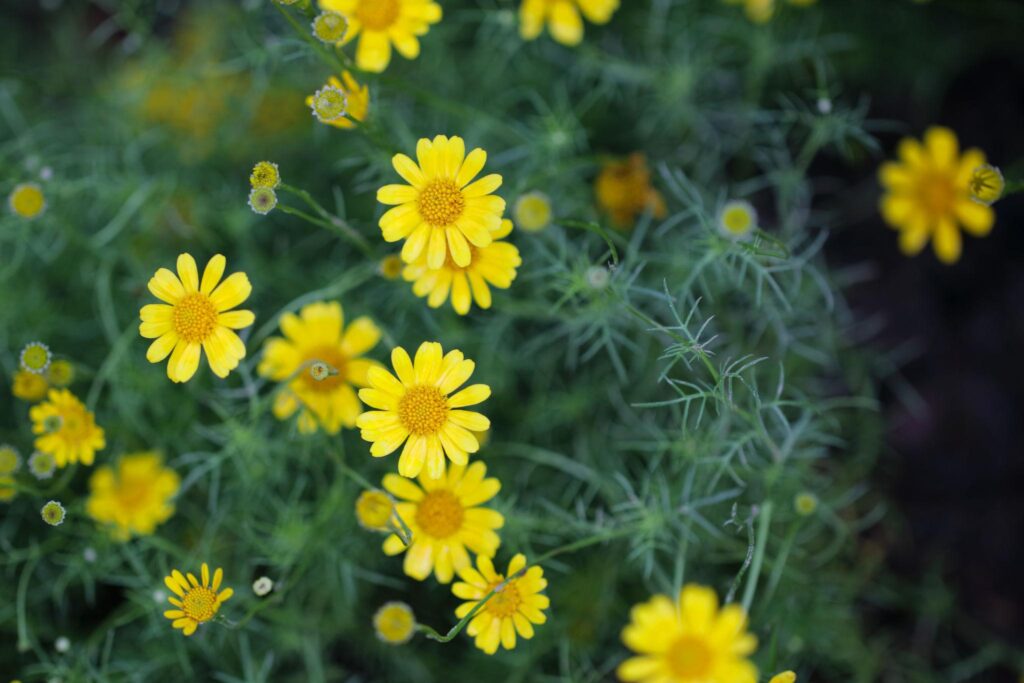
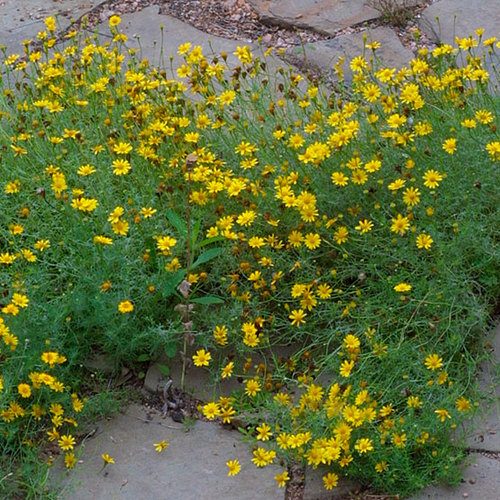
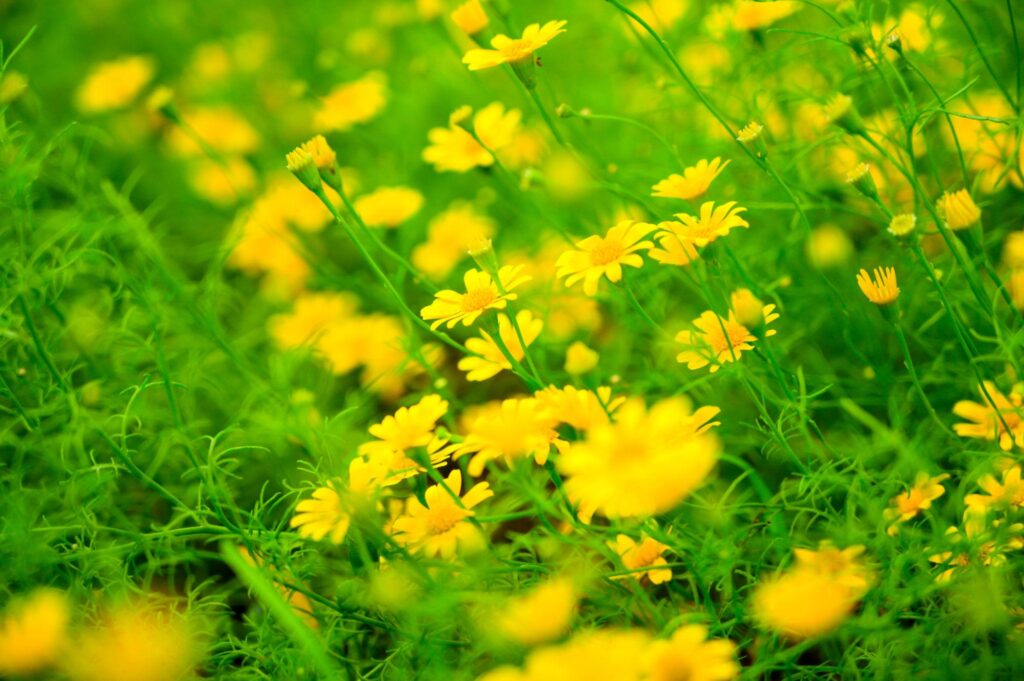
Dahlberg daisy is a delicate and charming annual flowering plant valued for its fine foliage and bright golden-yellow blooms. It is especially admired for its airy appearance and ability to create a soft, natural look in ornamental gardens. Because of its compact size and spreading habit, Dahlberg daisy is widely used in borders, rock gardens, containers, and low-maintenance flower beds.
Native to the southwestern United States and Mexico, this plant is well adapted to warm climates and dry conditions. In Nepal, Dahlberg daisy grows successfully during spring, summer, and early autumn, particularly in sunny locations with good drainage. Gardeners appreciate it because it grows easily from seed, requires little care, and flowers for a long time once established.
Its combination of fine-textured foliage, bright flowers, and drought tolerance makes Dahlberg daisy one of the most useful annuals for natural-style ornamental planting.
Scientific Classification
Kingdom: Plantae
Division: Magnoliophyta
Class: Magnoliopsida
Order: Asterales
Family: Asteraceae
Genus: Thymophylla
Species: Thymophylla tenuiloba
Common name: Dahlberg daisy, golden fleece
Native origin: Mexico and southwestern United States
Garden varieties are usually compact spreading types grown for their fine foliage and continuous flowering.
Identification of Plant
Dahlberg daisy is a small annual herb that forms a bushy, spreading plant usually reaching 20–30 cm in height. The plant develops many thin stems that branch freely, creating a soft, rounded structure.
The leaves are very narrow, finely divided, and feathery, giving the plant a light and airy appearance. The flowers are small, bright yellow, and daisy-like, appearing in large numbers above the foliage.
Because of its fine leaves, low height, and numerous golden blooms, Dahlberg daisy is easily recognized in ornamental beds. The plant spreads gently and creates a soft carpet of color when planted in groups.
Climate and Soil Requirement
Dahlberg daisy prefers warm and sunny conditions and grows best in temperatures between 20–34°C. It performs very well in Nepal during summer in sunny open areas.
Choose a location receiving full sunlight throughout the day. Soil should be light, sandy, and well drained. This plant tolerates poor soils and even performs well in gravelly or rocky areas.
Avoid heavy clay soil or locations where water accumulates. Excess fertility is not necessary and may reduce flowering performance.
Propagation and Planting Method
Dahlberg daisy is commonly grown from seed and can be sown directly in beds or raised in nursery trays.
For direct sowing, scatter seeds lightly on prepared soil and cover with a very thin layer of fine soil. Germination usually occurs within 6–9 days in warm conditions.
If seedlings are raised in trays, transplant them when they develop several true leaves. Maintain spacing of about 20–25 cm between plants so they spread properly.
Planting is usually done in early spring so that flowering continues through summer and into early autumn.
Care and Maintenance
Dahlberg daisy is extremely low maintenance and suitable for gardeners who prefer easy-care plants.
Water plants lightly and allow the soil to dry slightly between watering. Once established, the plant tolerates dry conditions well and rarely needs frequent irrigation.
Fertilization is usually unnecessary. Excess nutrients often result in more leafy growth and fewer flowers.
Light trimming of old stems may help maintain a neat shape and encourage fresh growth. Weeding during early stages helps plants establish quickly, but once spread, the plant naturally suppresses weeds.
This makes Dahlberg daisy ideal for low-maintenance ornamental landscapes.
Pest and Disease Management
Dahlberg daisy is generally resistant to pests and diseases, especially in sunny and dry conditions.
Aphids may occasionally appear on tender shoots, though infestations are usually minor. Caterpillars may sometimes chew leaves, but damage is rarely serious.
Neem oil spray works well as a preventive treatment if needed. Removing affected plant parts early helps reduce pest spread.
Fungal diseases are uncommon but may occur in poorly drained soil or during prolonged wet weather. Ensuring proper drainage and moderate watering usually prevents such problems.
Healthy plants grown in sunny beds rarely face serious issues.
Flowering and Garden Uses
Dahlberg daisy usually begins flowering about 45–55 days after planting and continues blooming for a long period. With proper sunlight, it produces flowers almost continuously through the warm season.
In home gardening, Dahlberg daisy is widely used for:
Rock garden planting
Low borders and edging
Container and terrace gardening
Ground cover in sunny beds
Natural-style landscape design
Because of its fine foliage and continuous yellow blooms, Dahlberg daisy is especially useful for creating soft-textured garden displays.