

Introduction
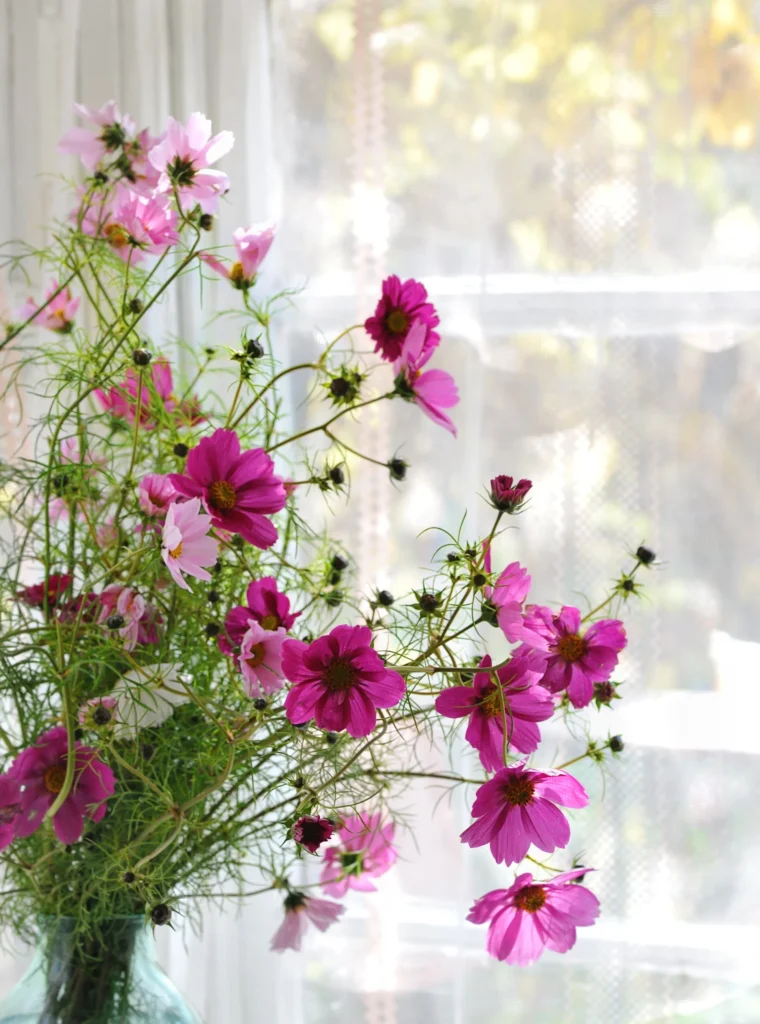
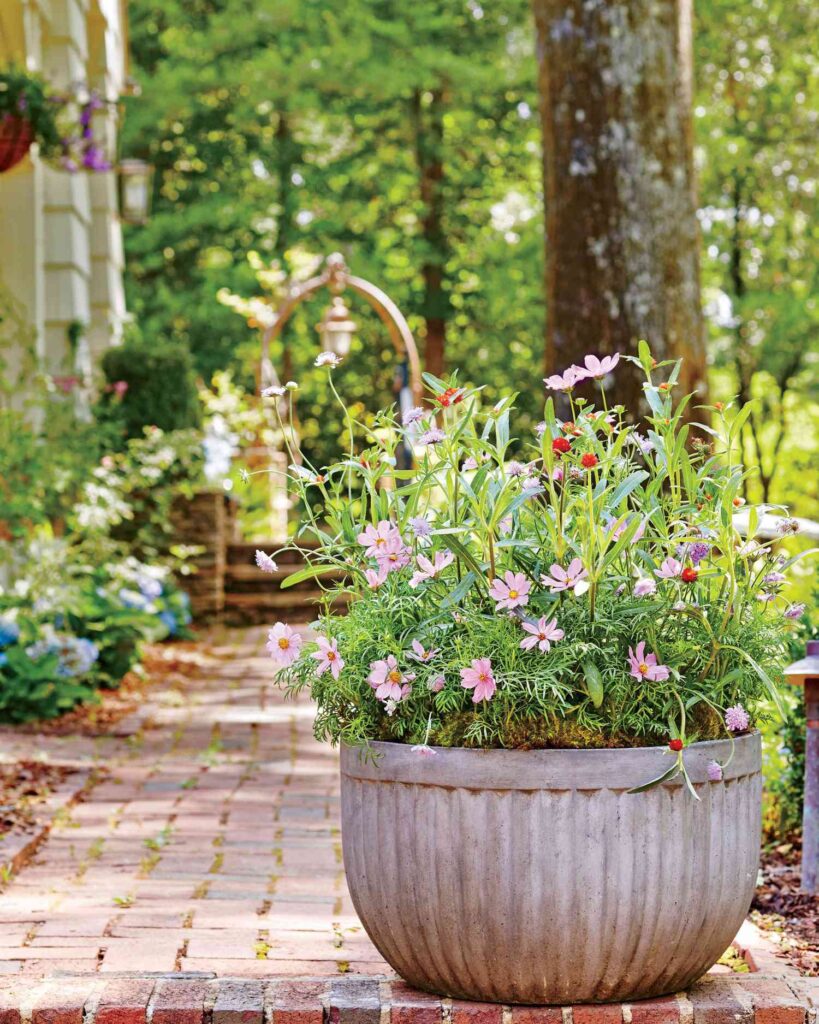
Cosmos is one of the most graceful and easy-to-grow annual flowers used in home gardens and landscape borders. It is especially loved for its delicate, daisy-like blooms and light feathery foliage that sways beautifully in the wind. Because of its tall stems and long flowering period, cosmos is often planted in flower beds, along fences, or in the background of mixed ornamental gardens.
Native to Mexico and Central America, cosmos has adapted very well to many parts of the world, including South Asia. In Nepal, it grows easily during warm seasons and is often seen in school gardens, roadside flower strips, and rural home gardens. One of the biggest advantages of cosmos is that it grows quickly from seed and continues flowering for several months with very little care.
Its ability to tolerate poor soils, attract butterflies, and produce elegant blooms makes cosmos an ideal choice for gardeners who want natural-looking flower beds without much maintenance.
Scientific Classification
- Kingdom: Plantae
- Division: Magnoliophyta
- Class: Magnoliopsida
- Order: Asterales
- Family: Asteraceae
- Genus: Cosmos
- Common name: Cosmos
- Native origin: Mexico and Central America
Common ornamental species include:
- Cosmos bipinnatus – tall plants with pink, white, and purple flowers
- Cosmos sulphureus – shorter plants with yellow and orange blooms
Identification of Plant
Cosmos is an annual herb that grows upright with slender, branching stems. The leaves are finely divided and feathery, giving the plant a soft and airy appearance. This foliage is one of the easiest ways to recognize cosmos even before flowering begins.
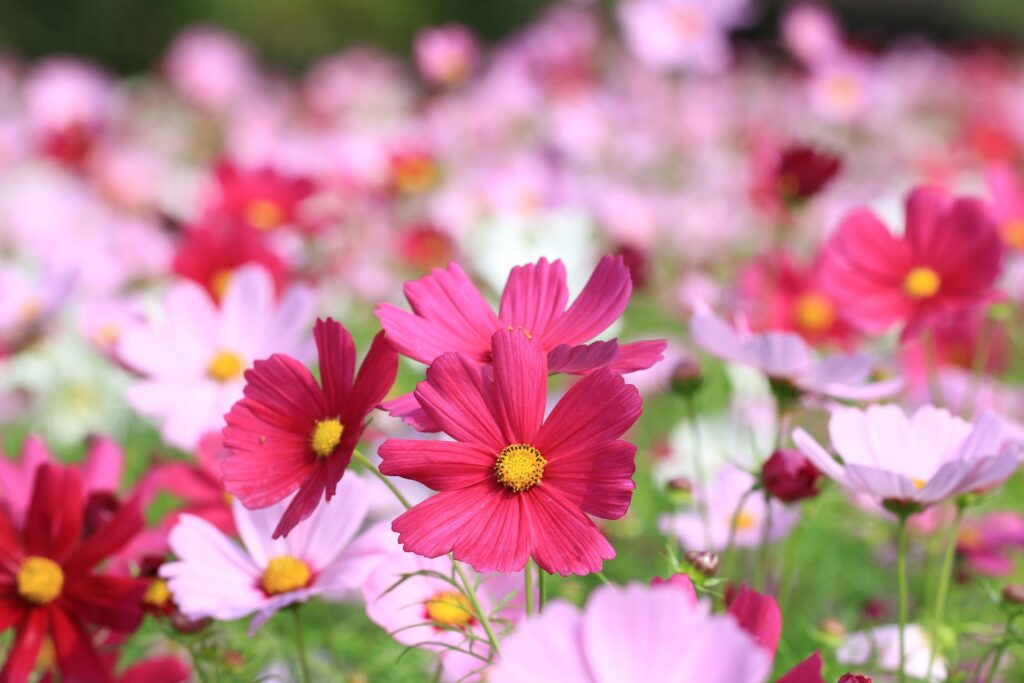
The flowers are simple and daisy-like, with a yellow center surrounded by broad petals. Colors range from white and soft pink to deep magenta, as well as orange and yellow in some species. The flowers are borne on long stems, making them excellent for cut flower use.
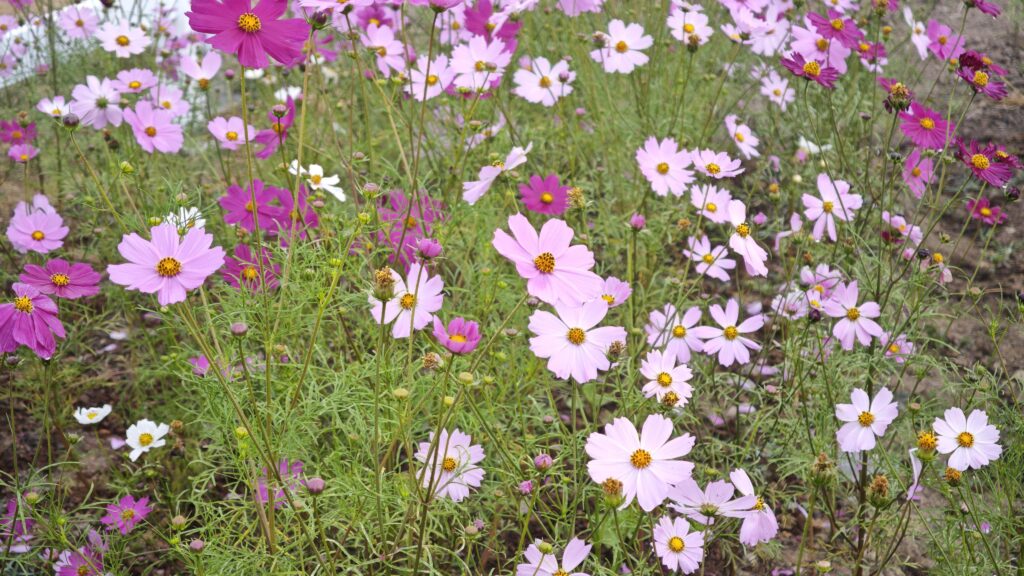
Because of its tall stems, delicate foliage, and open-faced blooms, cosmos creates a natural meadow-like effect in gardens.
Climate and Soil Requirement
Cosmos grows best in warm and sunny conditions. It performs well in temperatures between 20–30°C, which makes it highly suitable for most regions of Nepal during spring, summer, and early autumn.
For successful growth:
- Plant in full sunlight for at least 6 hours daily
- Use well-drained soil; cosmos does not need very fertile soil
- Excess fertilizer may reduce flowering and increase leafy growth
- Slightly sandy or average garden soil works well
Cosmos is known for tolerating dry and poor soils better than many other flowering plants, making it a reliable option for low-maintenance gardens.
Propagation and Planting Method
Cosmos is very easy to grow from seed and is usually planted directly into flower beds.
Direct Sowing
- Sow seeds 1–1.5 cm deep in prepared soil
- Space plants 30–40 cm apart for good branching
- Germination occurs within 5–10 days
Transplanting
Seedlings can also be raised in trays, but direct sowing is preferred because cosmos roots establish better without disturbance.
Planting is commonly done from late winter to early summer depending on the climate.
Care and Maintenance
Cosmos is a very low-maintenance plant, which makes it ideal for beginners and busy gardeners.
Watering
Water moderately. Once plants are established, they tolerate short dry periods.
Fertilization
Avoid heavy fertilization. Too much nutrient supply leads to tall plants with fewer flowers.
Support
Tall varieties may need light staking in windy areas to prevent stems from bending.
Deadheading
Remove faded flowers regularly to encourage continuous blooming and prevent unwanted self-seeding.
Pest and Disease Management
Cosmos is generally a hardy plant and rarely suffers from serious pest problems. However, a few issues may occur under unfavorable conditions.
Common Pests
- Aphids feeding on tender shoots
- Thrips causing discoloration of flowers
- Caterpillars occasionally eating leaves
Management
- Spray neem oil solution weekly as prevention
- Remove affected plant parts early
- Maintain spacing and sunlight to keep plants strong
Diseases
Fungal leaf spots or mildew may appear during prolonged humid weather. Good airflow and soil-level watering usually prevent these problems.
Flowering and Garden Uses
Cosmos begins flowering about 50–60 days after sowing and continues blooming for a long period. The plant produces flowers continuously if faded blooms are removed regularly.
In home gardens, cosmos is valued for:
- Background planting in flower beds
- Cottage-style garden designs
- Butterfly and pollinator gardens
- Cut flowers for indoor decoration
- Natural wildflower-style landscapes
Because of its soft appearance and long stems, cosmos gives a relaxed and elegant look to any garden