

Introduction
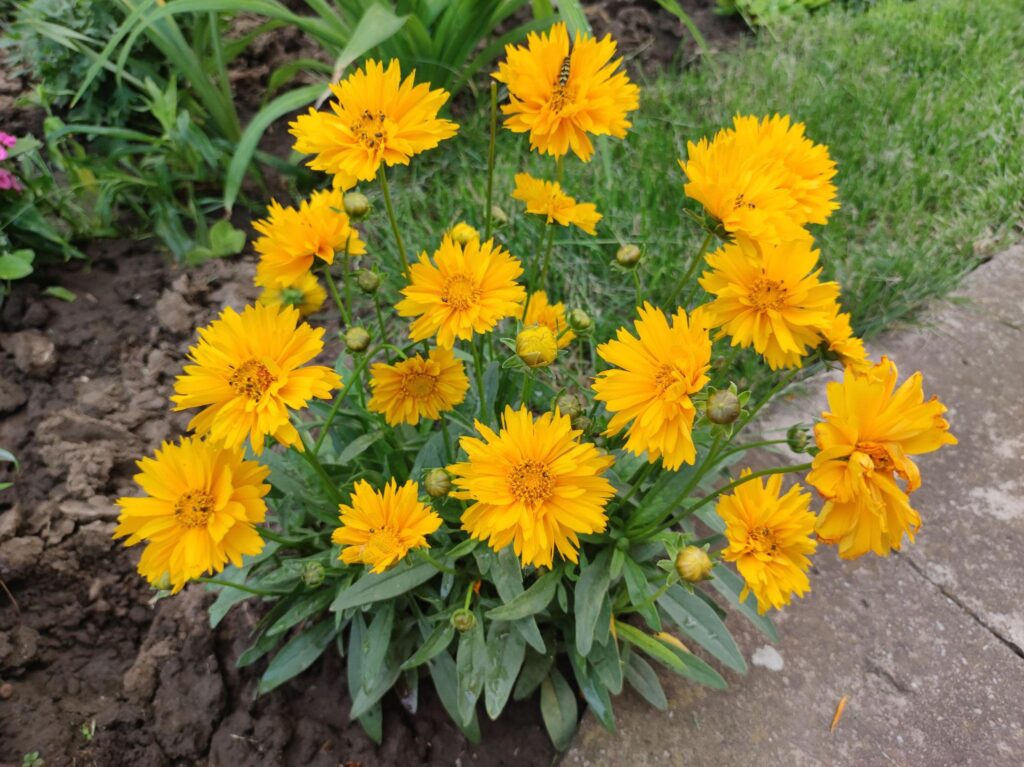
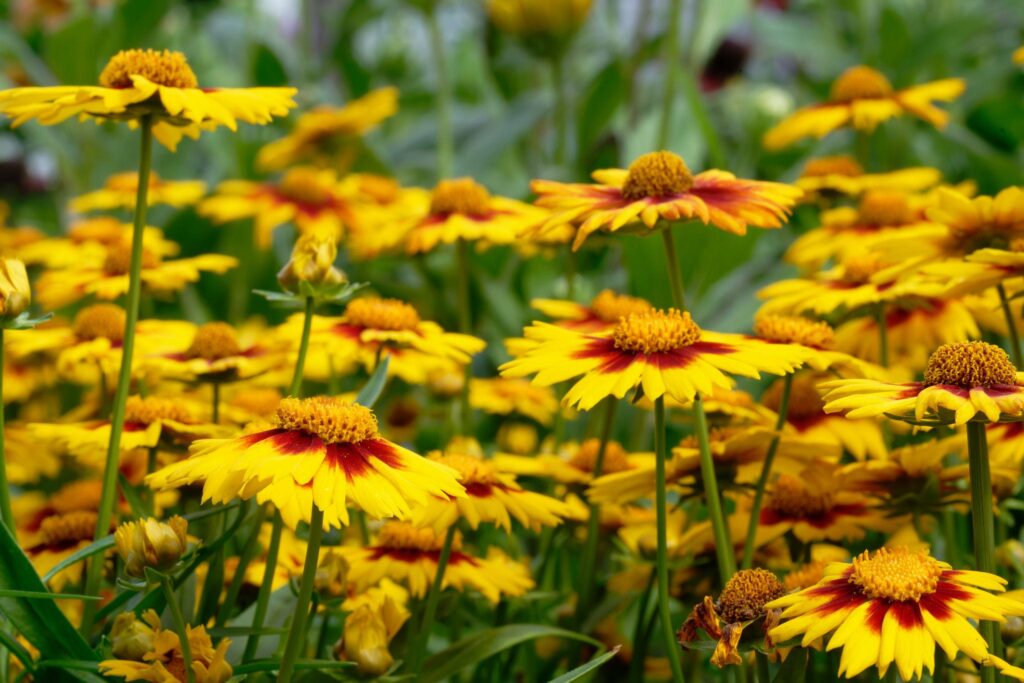
Coreopsis is one of the most cheerful and easy-to-grow annual flowers used in home gardens and landscape beds. It is especially valued for its bright daisy-like blooms and long flowering period, which help keep gardens colorful for many weeks. Because of its compact growth and ability to tolerate heat, coreopsis is widely planted in flower beds, borders, and mixed ornamental displays.
Native to North and South America, coreopsis has been cultivated as an ornamental plant for centuries. Many annual varieties have been developed for garden use, offering improved flower size, color diversity, and compact growth. In Nepal, coreopsis performs well in sunny locations during winter, spring, and early summer, depending on the region.
Gardeners prefer coreopsis because it germinates easily from seed, grows quickly, and produces a continuous display of flowers. Its bright yellow and golden shades combine well with other seasonal flowers, making it a reliable choice for decorative planting.
Scientific Classification
Kingdom: Plantae
Division: Magnoliophyta
Class: Magnoliopsida
Order: Asterales
Family: Asteraceae
Genus: Coreopsis
Common name: Coreopsis, tickseed
Native origin: Americas
Popular annual species include Coreopsis tinctoria and hybrid bedding varieties bred for improved ornamental value.
Identification of Plant
Coreopsis is an annual herb that grows as a bushy plant with slender branching stems. The leaves are narrow, finely divided, or slightly lobed depending on the variety. As the plant matures, it forms multiple branches, each carrying a flower bud at the tip.
The flowers resemble small daisies with a central disc surrounded by bright petals. Most annual varieties appear in shades of yellow, golden, orange, and sometimes red with contrasting centers. Some varieties have single petals, while others produce semi-double blooms.
Because of its daisy-like flowers and airy branching structure, coreopsis is easily recognized in flower beds. The plant usually grows 30–50 cm tall and spreads moderately to create a soft, colorful display.
Climate and Soil Requirement
Coreopsis prefers warm and sunny conditions and grows best in temperatures between 18–30°C. It tolerates heat better than many seasonal flowers and performs well in sunny open spaces.
Choose a location receiving at least six hours of sunlight daily. Soil should be well drained and moderately fertile. Mixing compost into the soil before planting improves growth and flowering.
Coreopsis tolerates relatively poor soil conditions but performs best when drainage is good. Excess fertilizer should be avoided, as it may encourage leafy growth instead of flowers.
Propagation and Planting Method
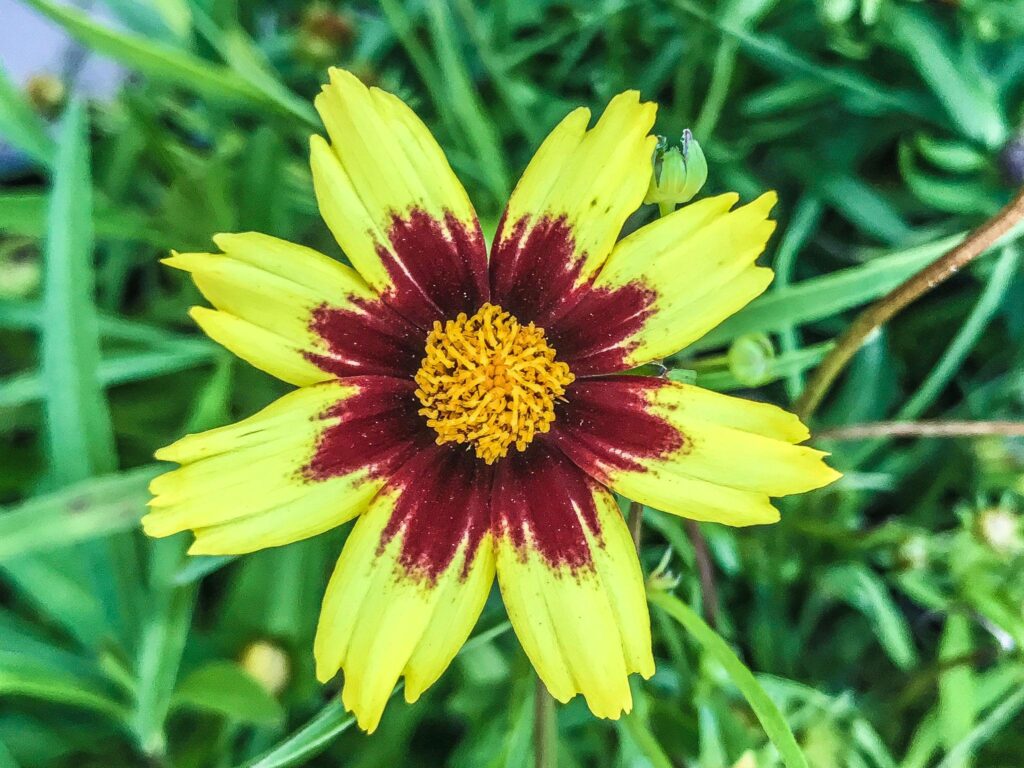
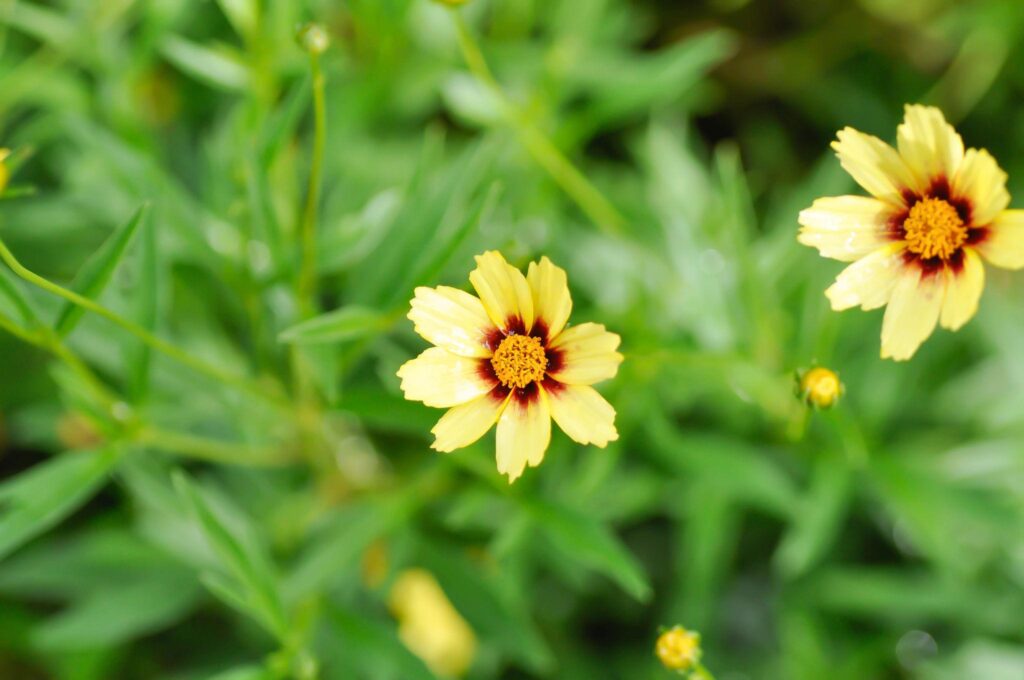
Coreopsis is commonly grown from seed and can be sown directly into prepared beds or raised in nursery trays.
For direct sowing, place seeds about 1–1.5 cm deep in loose soil and keep the area moist until germination. Seeds usually sprout within 6–10 days under warm conditions.
If seedlings are raised in trays, transplant them when they reach about 10–12 cm height. Maintain spacing of about 25–30 cm between plants so that they branch properly and receive adequate airflow.
Planting is usually done in early winter or spring depending on local climate conditions.
Care and Maintenance
Coreopsis is a low-maintenance plant and ideal for gardeners who prefer simple care routines.
Water plants moderately, allowing the soil to dry slightly between watering. Once established, coreopsis tolerates short dry periods without much difficulty.
Applying compost before planting usually provides enough nutrients for the season. Additional fertilizer is rarely necessary unless the soil is extremely poor.
Removing faded flowers regularly helps encourage continuous blooming and keeps the plants tidy. This practice also prevents excessive seed formation and promotes new bud development.
Weeding during early growth stages ensures plants receive sufficient sunlight and nutrients. Once established, the branching canopy helps suppress weeds naturally.
Pest and Disease Management
Coreopsis is generally resistant to serious pest problems, but minor issues may occasionally appear.
Aphids may attack tender shoots and reduce plant vigor. Caterpillars may also chew leaves, though damage is usually light.
Neem oil spray applied weekly works well as a preventive organic treatment. Removing affected plant parts early also helps control pest spread.
Fungal problems such as leaf spots may occur in overly wet or crowded conditions. Ensuring proper spacing, sunlight, and soil drainage helps prevent disease development.
Healthy plants grown in sunny conditions rarely experience serious problems.
Flowering and Garden Uses
Coreopsis usually begins flowering about 50–60 days after planting and continues blooming for several weeks. With proper care, the plant produces a steady display of bright flowers throughout the season.
In home gardening, coreopsis is widely used for:
Seasonal flower beds and borders
Mixed annual flower displays
Pollinator-friendly garden designs
Container planting in sunny areas
Cut flowers for informal bouquets
Because of its bright color and long flowering period, coreopsis is especially useful for maintaining lively garden beds throughout the growing season.