
Introduction
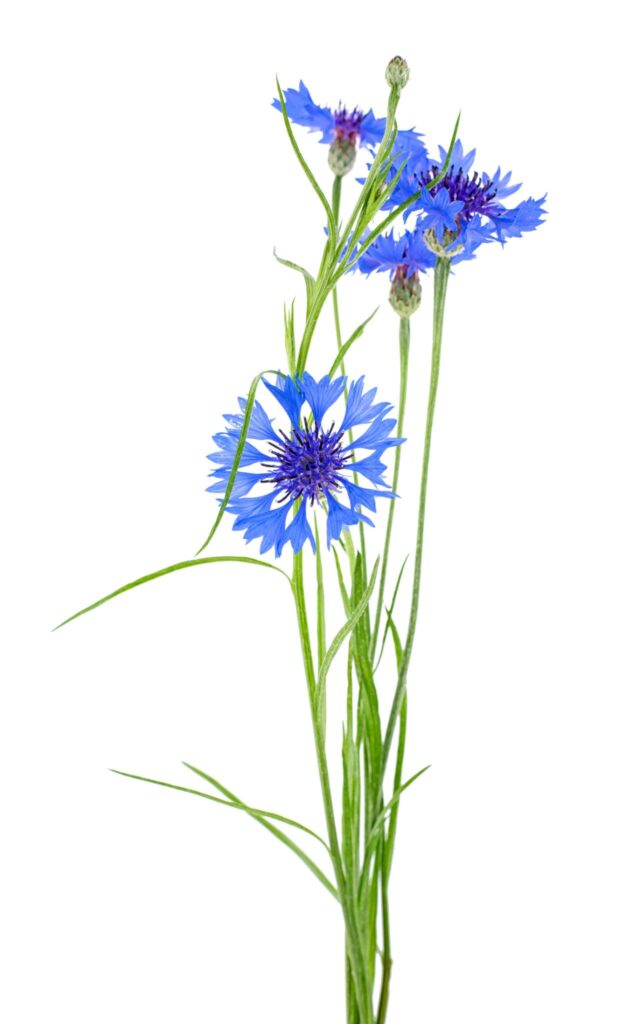
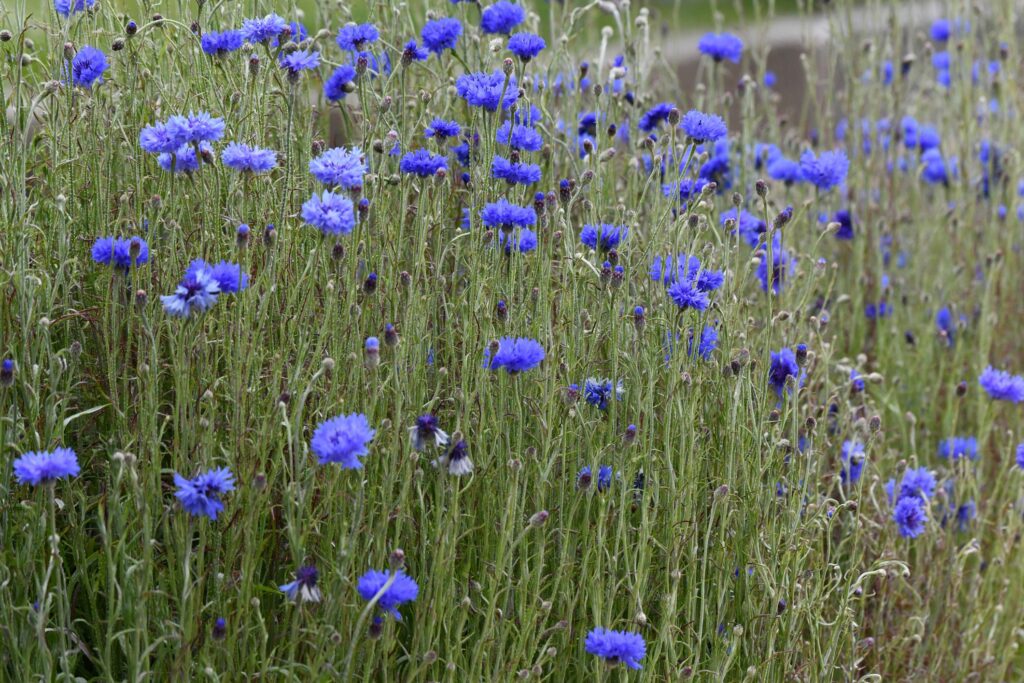
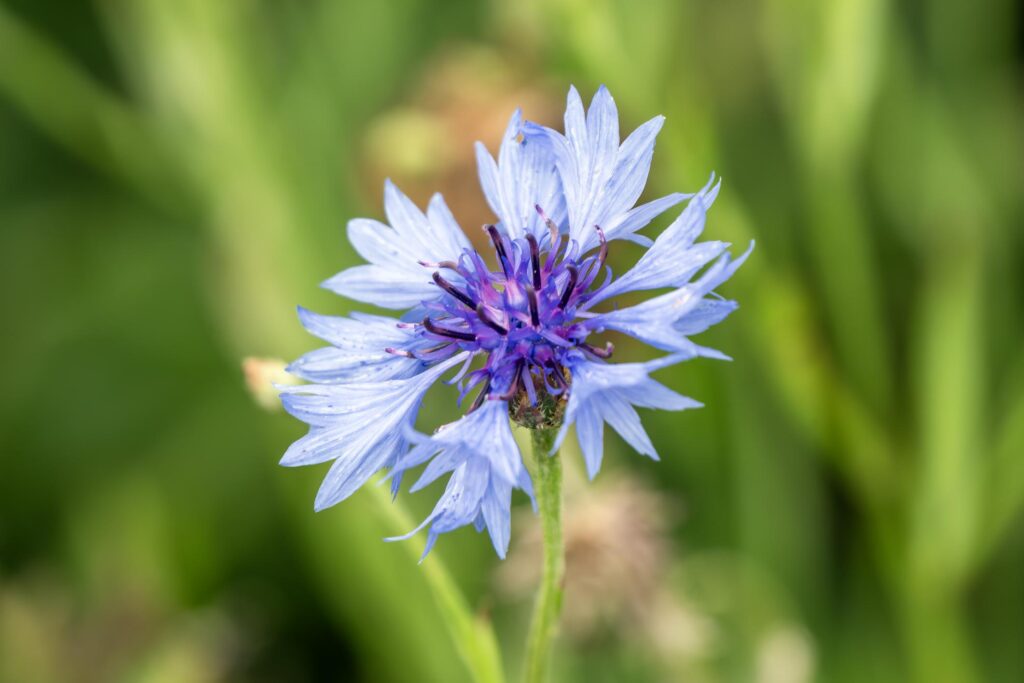
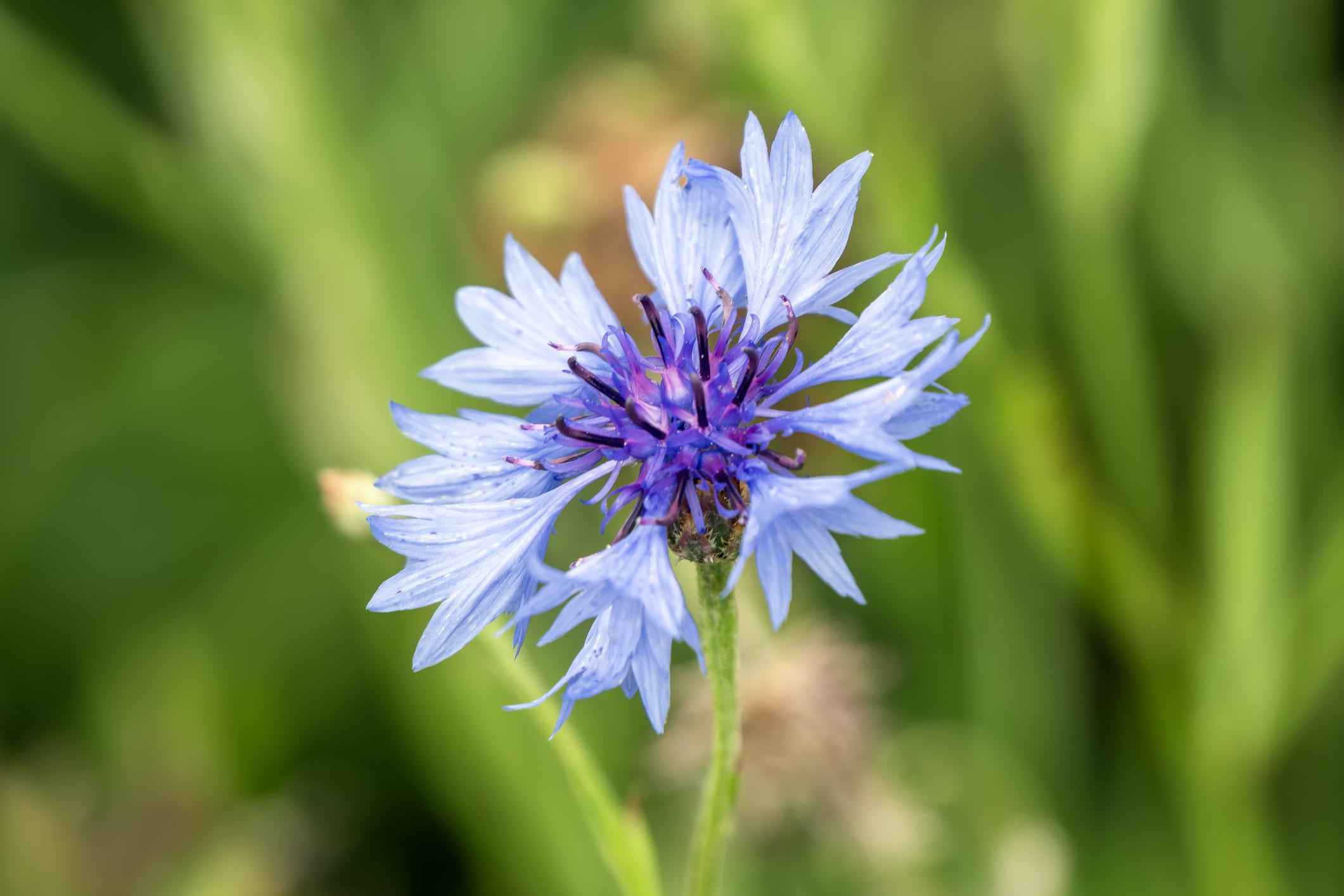
Centaurea is a bright and attractive ornamental flowering plant widely grown in gardens for its showy blooms and easy adaptability. Many species are grown as annuals or perennials, but several types are treated as biennials in seasonal garden planning. Centaurea is especially valued for its vivid colors, airy flower heads, and usefulness in both ornamental beds and cut flower production.
Native to Europe, western Asia, and the Mediterranean region, Centaurea adapts well to temperate climates and grows successfully in many parts of Nepal during winter establishment followed by flowering in spring and early summer. Gardeners appreciate it because it grows easily from seed, tolerates poor soils, and requires minimal maintenance once established.
Its combination of bright flowers, pollinator value, and versatility in garden design makes Centaurea one of the most reliable ornamental plants for seasonal cultivation.
Scientific Classification
Kingdom: Plantae
Division: Magnoliophyta
Class: Magnoliopsida
Order: Asterales
Family: Asteraceae
Genus: Centaurea
Common ornamental species: Centaurea cyanus, Centaurea moschata, and related forms
Common name: Cornflower, Centaurea
Native origin: Europe and Mediterranean region
Garden varieties include blue, pink, purple, white, red, and bicolored types, many selected for ornamental and cut flower use.
Identification of Plant
Centaurea is a branching herb that usually grows between 40–80 cm tall depending on species and growing conditions.
Leaves are narrow, grey-green, and sometimes slightly hairy, forming a soft canopy. Flower stems carry rounded or thistle-like flower heads at their tips.
The blooms often have fringed petals and may appear in vivid blue, pink, purple, or white shades. Some species produce larger decorative blooms, while others form smaller but abundant flowers.
Because of its fine foliage, upright stems, and colorful fringed blooms, Centaurea is easy to recognize in ornamental beds.
Climate and Soil Requirement
Centaurea prefers cool to moderately warm conditions and grows best in temperatures between 12–28°C. It performs well in Nepal during winter establishment followed by flowering in spring and early summer.
The plant requires full sunlight for best flowering. Soil should be well drained and moderately fertile. One of its advantages is its ability to grow in sandy or poor soils.
Moderate moisture is needed during early growth, but once established the plant becomes drought tolerant. Waterlogged soil should be avoided because it may weaken roots.
Moderate fertility works best, as overly rich soil may produce excessive foliage with fewer flowers.
Propagation and Planting Method
Centaurea is commonly grown from seed and is usually sown directly in garden beds.
Seeds should be planted about 1–1.5 cm deep in prepared soil and kept moist until germination. Seedlings usually appear within 7–12 days in suitable conditions.
Spacing of about 30–40 cm between plants allows proper airflow and branching.
Planting is usually done in early winter or spring so that flowering continues into the warm season.
Many species self-seed lightly, allowing natural regeneration in the garden.
Care and Maintenance
Centaurea requires minimal care once established.
Water plants moderately during early growth to help develop strong roots. After establishment, the plant tolerates dry conditions and rarely needs frequent irrigation.
Applying compost before planting usually provides sufficient nutrients. Additional fertilizer is rarely necessary unless soil fertility is extremely poor.
Removing faded blooms encourages continued flowering and keeps plants neat. Weeding during early growth stages ensures plants establish properly and receive sufficient sunlight.
In windy areas, taller varieties may benefit from light support.
Pest and Disease Management
Centaurea is generally hardy and resistant to most pests.
Occasional aphids may appear on tender shoots, but infestations are usually minor. Neem oil spray works well as a preventive organic treatment.
Fungal diseases such as root rot or leaf spots may occur in poorly drained soil. Proper drainage, spacing, and sunlight usually prevent these problems.
Healthy plants grown in sunny, airy locations remain vigorous and productive.
Flowering and Garden Uses
Centaurea usually flowers from late spring into early summer, producing numerous colorful blooms over several weeks.
In home gardening, Centaurea is widely used for:
Seasonal bedding displays
Wildflower-style garden planting
Cut flower production
Pollinator-friendly landscapes
Mixed ornamental borders
Because of its bright blooms and easy growth, Centaurea is especially useful for creating cheerful and low-maintenance garden displays.