

Introduction
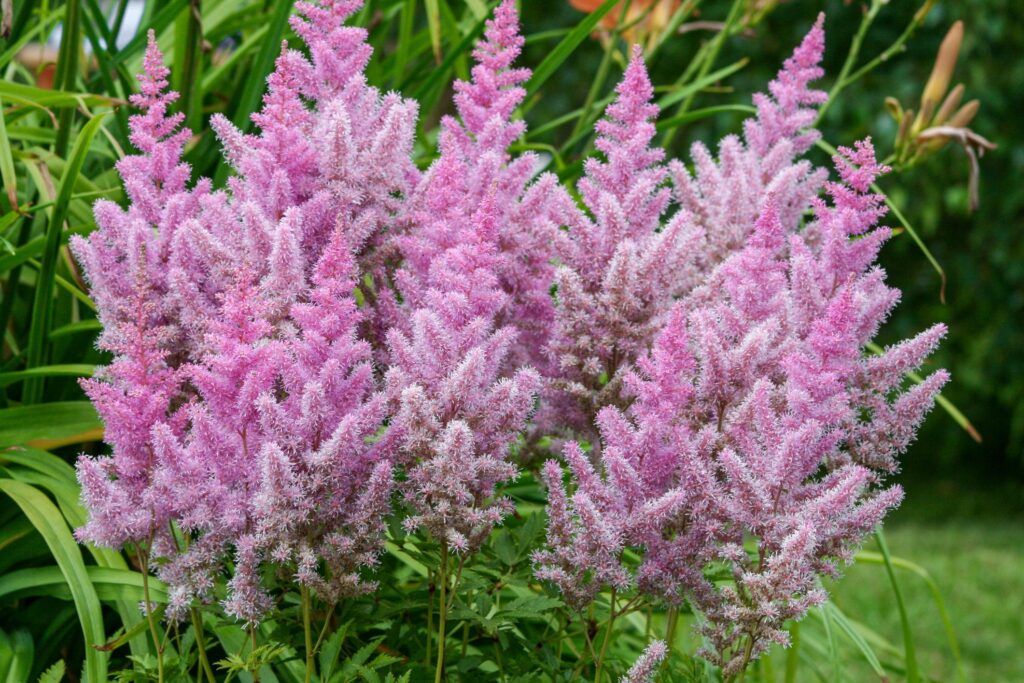
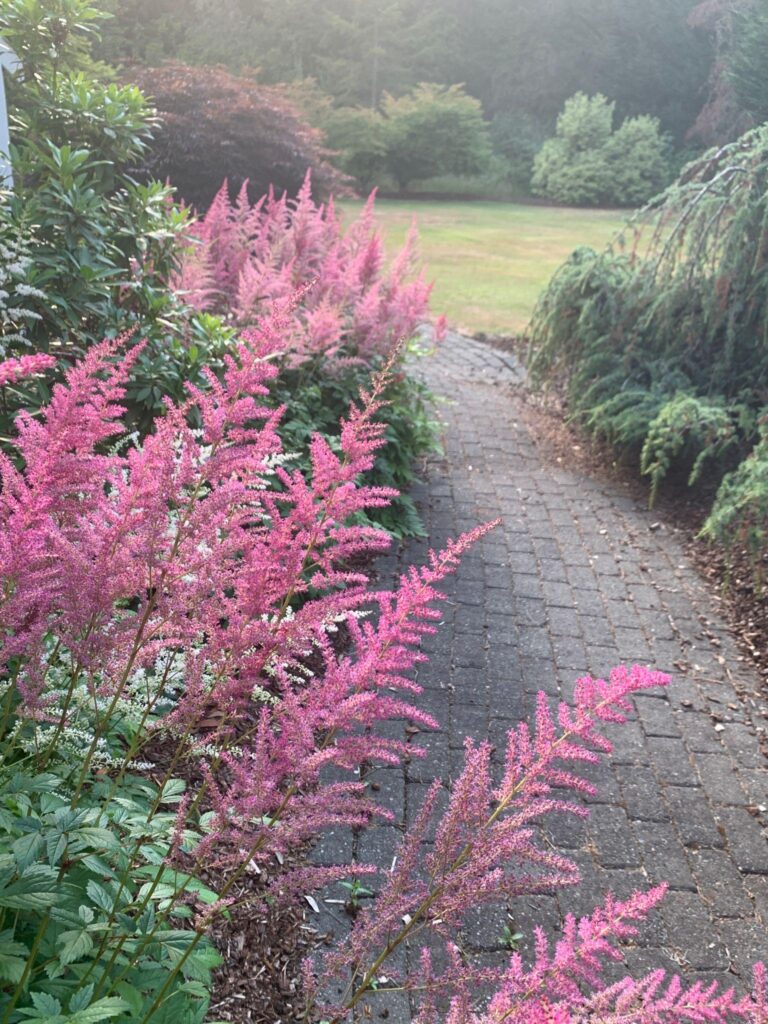
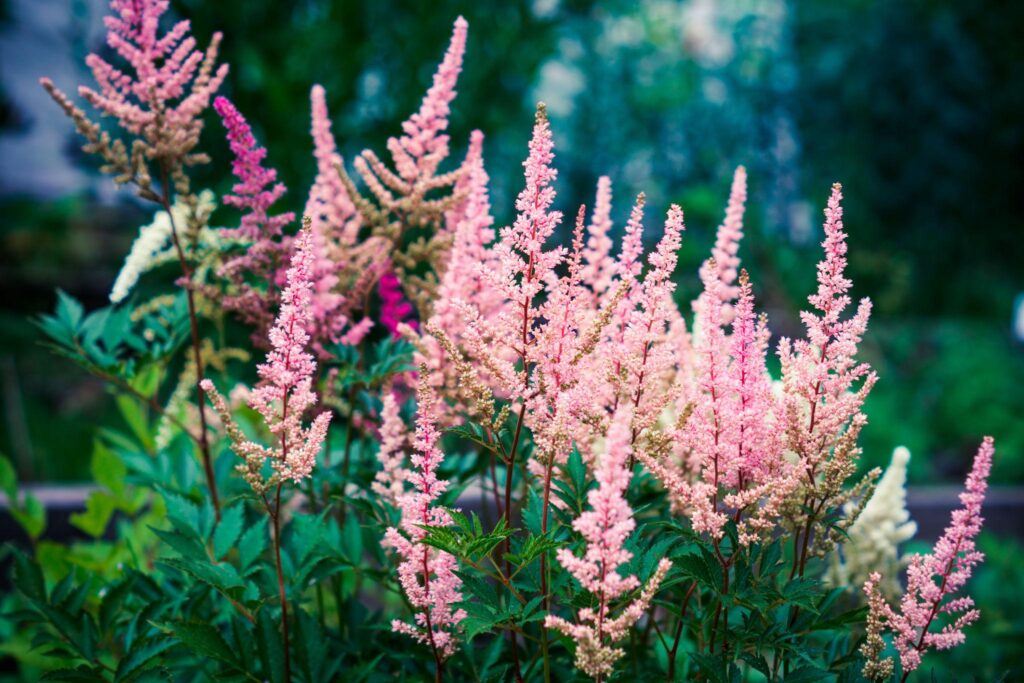
Astilbe is one of the most graceful perennial ornamental flowering plants grown in home gardens for its feathery flower plumes and lush foliage. It is especially valued for its ability to thrive in shaded or partially shaded garden areas where many other flowering plants may struggle. Astilbe brings softness and elegance to landscapes with its delicate blooms that appear in shades of pink, white, red, and purple.
The plant is admired for its airy flower clusters that rise above the foliage, creating a gentle and textured appearance. Its lush leaves remain attractive even when the plant is not in bloom, adding continuous visual interest to the garden.
Because of its ornamental value and adaptability to shaded environments, astilbe is widely used in borders, underplanting, and landscape plantings. With proper cultivation practices, it can thrive and remain a dependable perennial feature in home gardens.
Scientific Classification
Kingdom: Plantae
Division: Magnoliophyta
Class: Magnoliopsida
Order: Saxifragales
Family: Saxifragaceae
Genus: Astilbe
Common name: Astilbe
Native origin: Asia and North America
An important ornamental species is Astilbe chinensis, widely cultivated for decorative gardening.
Identification of Plant
Astilbe is a herbaceous perennial plant that grows in clump-forming habit. The plant produces finely divided leaves that create a dense and textured base.
The flowers appear in plume-like clusters that rise above the foliage on upright stems.
Astilbe blooms are commonly found in shades of pink, white, red, and purple.
The soft and feathery appearance of the flowers contributes to the plant’s ornamental appeal.
Climate and Soil Requirement
Astilbe grows best in moderate climates with partial shade. It thrives in temperatures ranging between 15°C and 25°C.
The plant prefers well-drained soil enriched with organic matter. Proper moisture retention supports healthy growth.
Astilbe performs well in shaded or semi-shaded locations where direct sunlight is limited.
Balanced soil fertility supports plant vigor and blooming.
Consistent soil moisture is beneficial, although excessive water should be avoided.
Propagation and Planting Method
Astilbe is commonly propagated through division. Mature plants can be separated and replanted to establish new growth.
Planting should be done in prepared soil that allows proper drainage. Maintaining suitable spacing supports airflow and development.
Healthy planting conditions encourage strong establishment.
Care and Maintenance
Regular care helps maintain vigorous astilbe plants. Watering should be done consistently to keep the soil moist without causing water stagnation.
Balanced fertilization supports plant growth and flowering. Organic matter can improve soil quality.
Removal of faded flowers helps maintain plant neatness.
Mulching helps conserve soil moisture and stabilize the root zone.
Pest and Disease Management
Astilbe may occasionally be affected by pests such as aphids.
Preventive measures such as neem-based sprays and maintaining garden cleanliness can help manage pest issues.
Fungal diseases may occur under excessive moisture conditions. Proper drainage and good airflow help reduce disease risk.
Flowering and Garden Uses
Astilbe produces soft and attractive blooms once it becomes well established. The flowers enhance garden spaces with delicate color.
It is widely used in shaded garden borders, landscape plantings, and decorative beds.
Because of its elegant appearance and shade tolerance, astilbe remains a valuable addition to perennial ornamental gardens.