
Introduction
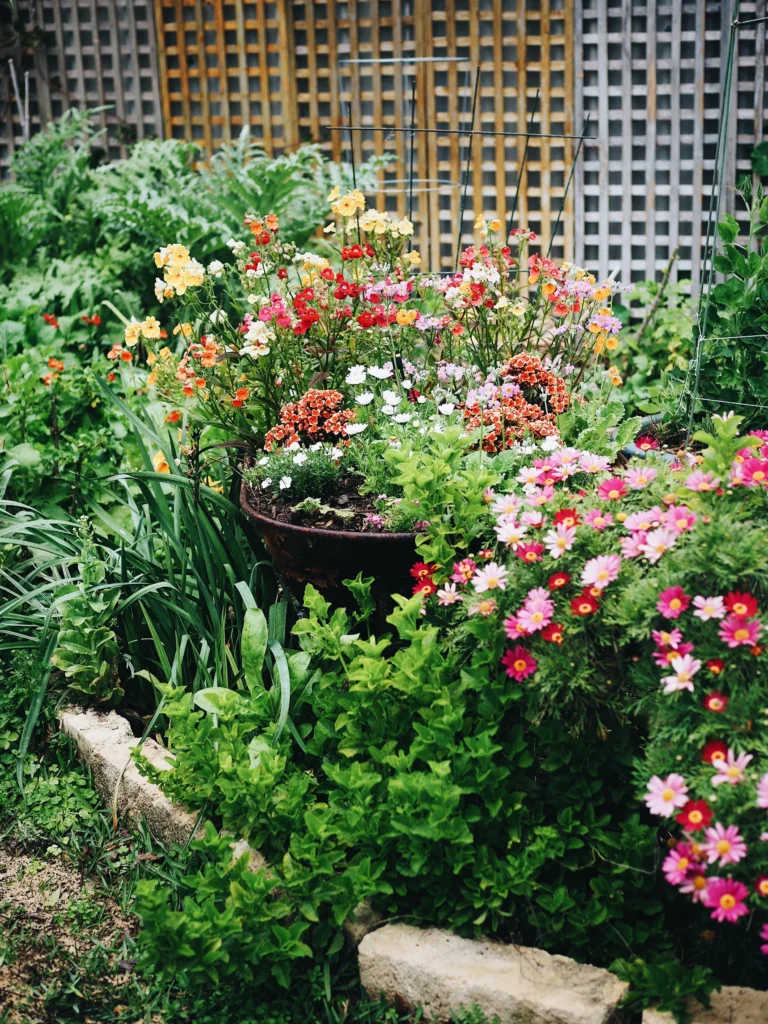
Winter-flowering biennials play a very important role in ornamental gardening because they provide color and life during the cooler months when many other plants remain dormant. These plants are usually sown in the cool season, develop foliage first, and then produce flowers during late winter and early spring. Because of this growth pattern, they are especially useful for maintaining continuous garden beauty across seasons.
In Nepal, winter biennials are widely used in home gardens, public parks, school compounds, and terrace plantings. They grow best when sown during early winter, allowing plants to establish before flowering begins. Gardeners appreciate winter biennials because they are easy to grow from seed, require moderate care, and produce vibrant blooms during a time when flowering plants are limited.
Their combination of seasonal reliability, decorative value, and adaptability makes winter-flowering biennials essential for any well-planned ornamental garden.
Characteristics of Winter Biennials
Winter biennials generally prefer cool temperatures during their early growth stage. Most species develop a leafy base during winter and begin flowering as temperatures gradually rise toward spring.
These plants are usually tolerant of mild frost and cool weather, which makes them ideal for winter cultivation in many parts of Nepal. They often produce strong stems, compact foliage, and bright flowers that remain attractive for several weeks.
Many winter biennials are also valued for attracting pollinators early in the season when nectar sources are limited.
Popular Winter Flowering Biennials
Several ornamental species are widely grown for winter flowering.
Dianthus barbatus (Sweet William) is one of the most popular winter biennials, producing dense clusters of colorful blooms that last for a long period.
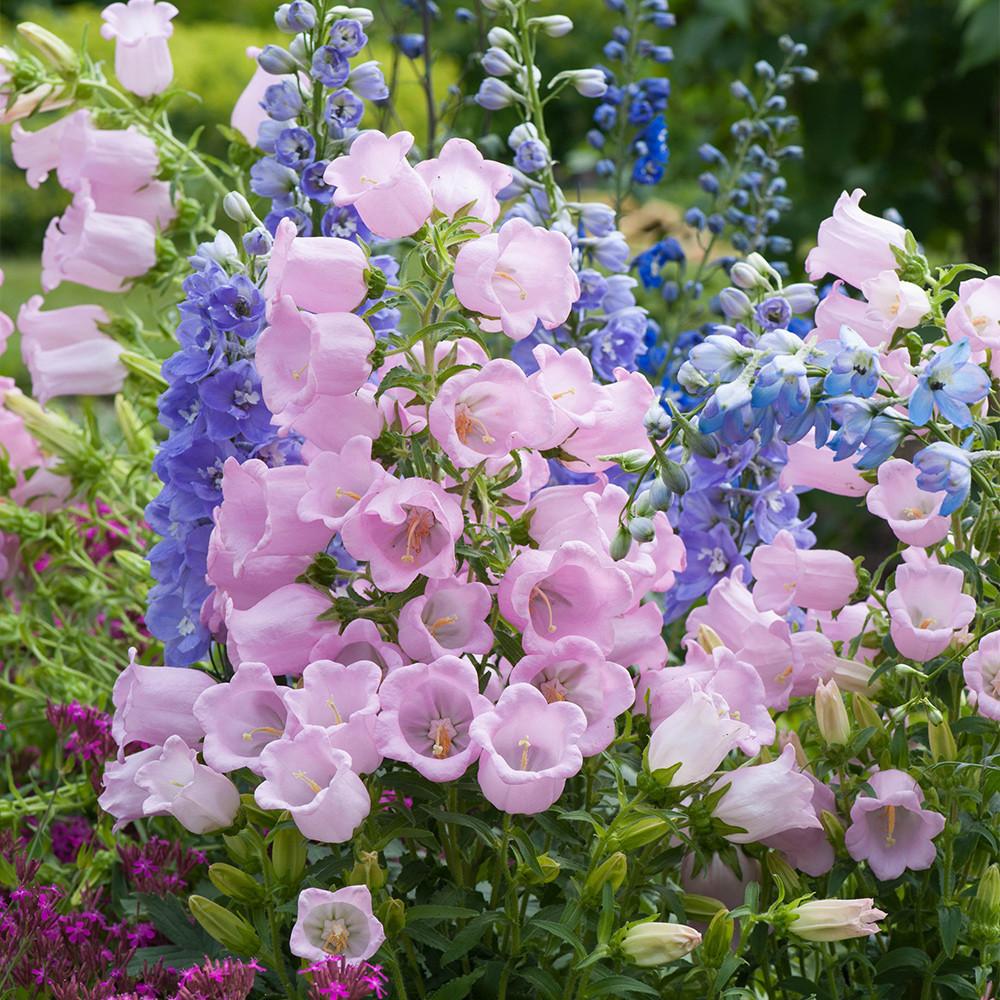
Campanula medium (Canterbury bells) is valued for its large bell-shaped flowers and upright growth, making it suitable for borders and cut flower use.
Digitalis purpurea (Foxglove) produces tall flowering spikes in late winter and early spring, providing strong vertical interest in the garden.
Hesperis matronalis (Sweet rocket) is grown for its fragrant flower clusters that bloom in cool weather and attract pollinators.
Myosotis sylvatica (Forget-me-not) is widely used as a low-growing winter biennial that produces soft blue flowers and works well as ground cover.
Other winter biennials such as Matthiola species, Scabiosa, and Centaurea also perform well in cool-season ornamental planting.
Climate and Site Requirements
Winter-flowering biennials grow best in temperatures ranging from 8–20°C during early growth. They usually prefer full sun, though some species such as Digitalis and Hesperis tolerate partial shade.
Soil should be fertile, loose, and well drained. Adding compost before planting improves soil structure and helps plants establish strong roots during the cool season.
Winter biennials prefer moderate moisture but do not tolerate waterlogged soil. Proper drainage is essential to prevent root diseases during colder months.
Good airflow and sunlight help ensure strong flowering and healthy plant development.
Planting Time and Propagation
Winter biennials are usually grown from seed and planted during early winter.
Seeds may be sown in nursery trays or directly in garden beds depending on the species. Germination generally occurs within 7–15 days in cool conditions.
Seedlings are transplanted once they develop several true leaves. Spacing varies by species but usually ranges between 25–45 cm.
Early planting is important so that plants develop strong roots before the flowering season begins.
Some winter biennials may self-seed lightly, helping maintain the garden in future years.
Care and Maintenance
Winter biennials require moderate care during their growth period.
Watering should be regular but not excessive. Slightly moist soil encourages healthy foliage and strong flowering stems.
Applying compost before planting usually provides enough nutrients. Additional fertilizer may be applied lightly during early growth if needed.
Removing weeds early helps plants establish properly. Deadheading some species prolongs flowering, while allowing others to set seed supports natural regeneration.
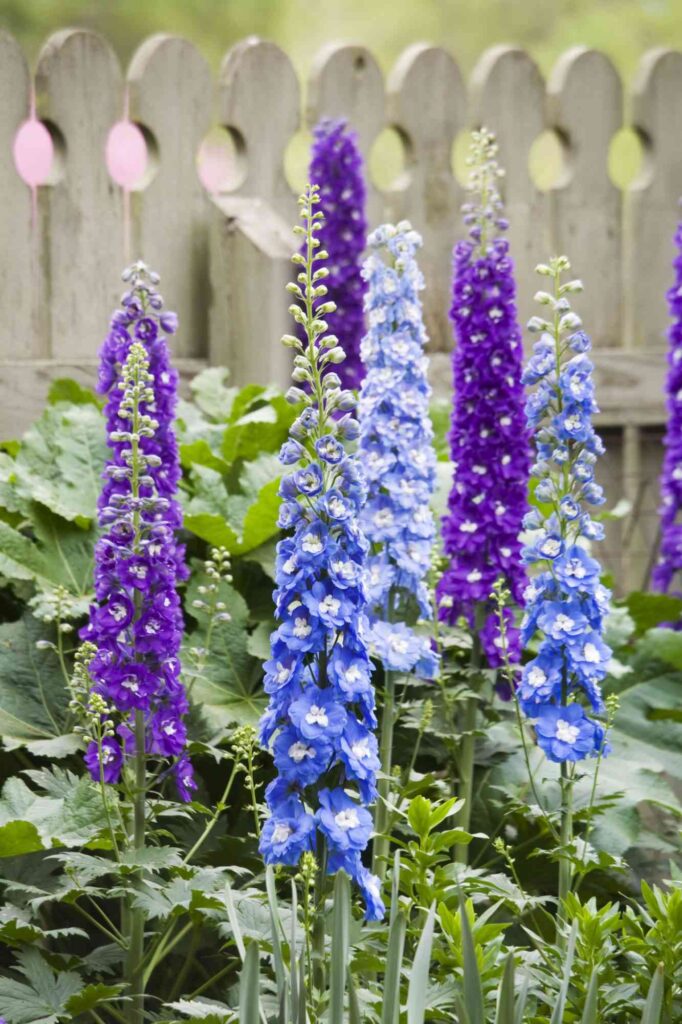
In windy areas, taller plants such as foxgloves or Canterbury bells may require light support.
Garden Uses of Winter Biennials
Winter-flowering biennials are extremely versatile in garden design.
They are commonly used in seasonal bedding displays, cottage gardens, terrace planters, and mixed ornamental borders. Their ability to bloom when few other plants do makes them especially valuable for maintaining year-round garden interest.
They also play an important role in pollinator gardens, providing early nectar sources for bees and beneficial insects.
Because of their wide range of heights, colors, and flowering periods, winter biennials are ideal for creating layered and visually rich seasonal plantings.
Pretty! This has been a really wonderful post. Many thanks for providing these details.
Thank you for your comments.
@agriinfoz.com