

Introduction
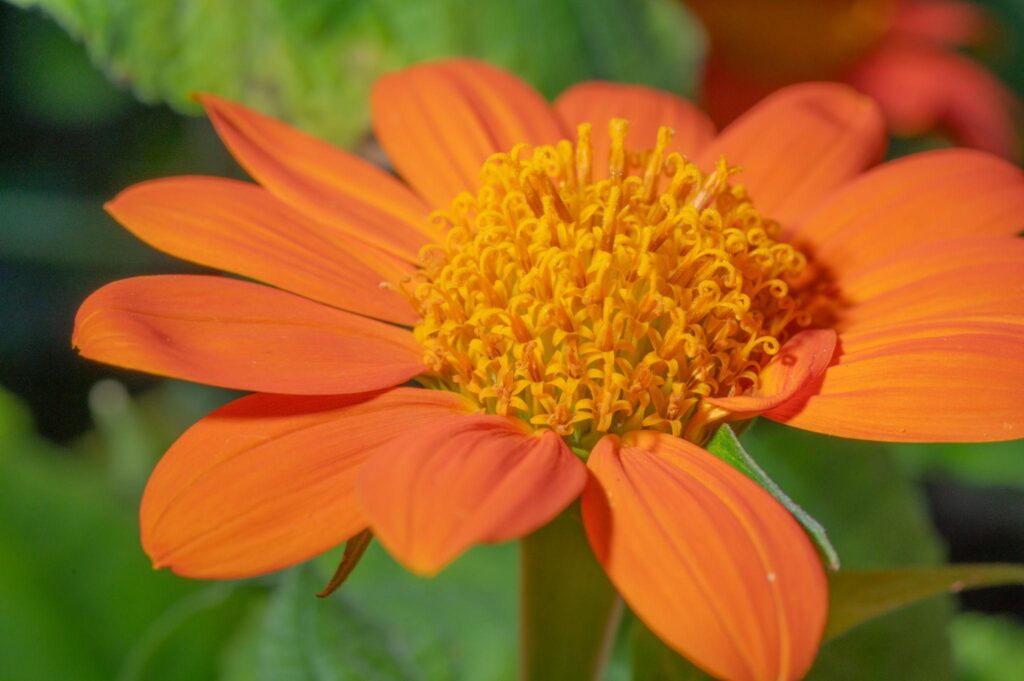
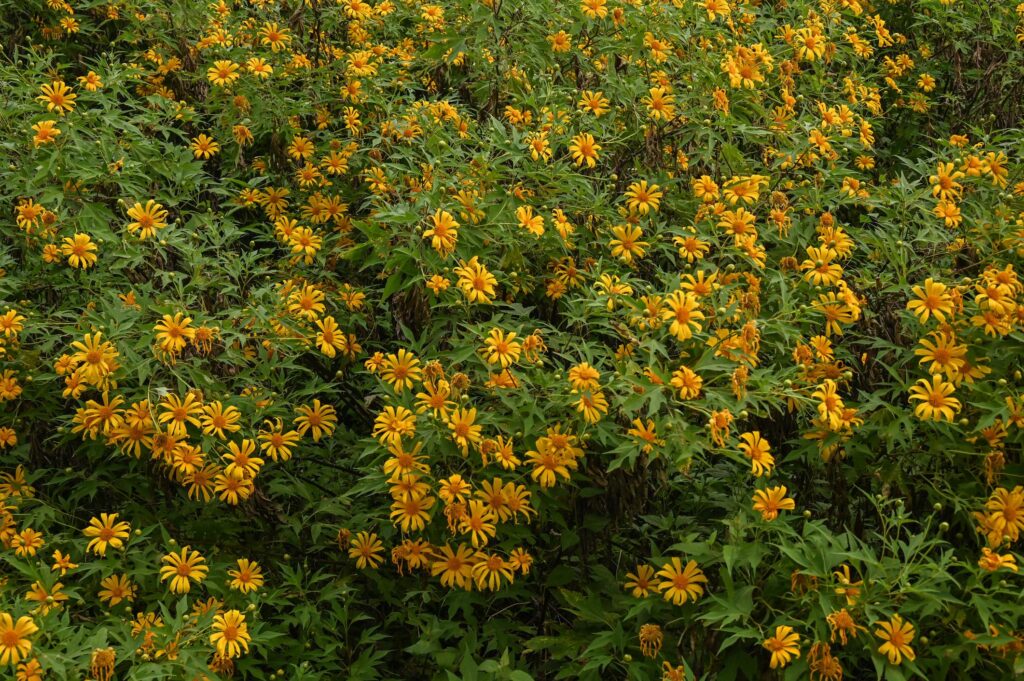
Tithonia, commonly known as Mexican sunflower, is one of the most striking annual flowers grown in home gardens for its bold appearance and bright orange blooms. It is especially valued for its tall growth, large daisy-like flowers, and ability to attract butterflies and pollinators. Because of its vigorous nature, tithonia is widely planted in the background of flower beds, along fences, and in wildlife-friendly gardens.
Native to Mexico and Central America, tithonia thrives in warm climates and adapts well to sunny regions of Nepal during spring, summer, and early autumn. Gardeners appreciate it because it grows quickly from seed, tolerates heat and poor soil, and produces flowers continuously once established.
Its combination of height, vibrant color, and ecological benefits makes tithonia one of the most useful annual flowers for ornamental cultivation and pollinator gardens.
Scientific Classification
Kingdom: Plantae
Division: Magnoliophyta
Class: Magnoliopsida
Order: Asterales
Family: Asteraceae
Genus: Tithonia
Species: Tithonia rotundifolia
Common name: Mexican sunflower
Native origin: Mexico and Central America
Most garden varieties are tall annual types grown for their bright orange flowers and branching structure.
Identification of Plant
Tithonia is an upright annual herb that grows vigorously with thick stems and large leaves. The leaves are broadly triangular or heart-shaped with a slightly rough surface and coarse texture.
The flowers resemble large daisies, with a central disc surrounded by bright orange petals. Each plant produces multiple blooms on long stems, and flowers continue appearing over an extended period.
Because of its tall growth, rough foliage, and bold orange blooms, tithonia is easily recognized in ornamental gardens. The plant typically grows 1–1.5 meters tall, making it ideal for background planting.
Climate and Soil Requirement
Tithonia prefers warm and sunny conditions and grows best in temperatures between 20–35°C. It performs very well in Nepal during summer in open sunny spaces.
Choose a location receiving full sunlight for most of the day. Soil should be well drained and moderately fertile. Tithonia tolerates relatively poor soils but performs best when drainage is good.
Excess fertilizer is not necessary and may produce excessive leafy growth with fewer flowers. Good sunlight and moderate soil fertility are sufficient for healthy development.
Propagation and Planting Method
Tithonia is commonly grown from seed and is usually sown directly into garden beds.
Seeds should be planted about 2–3 cm deep in prepared soil and watered lightly. Germination usually occurs within 7–10 days in warm conditions.
Maintain spacing of about 45–60 cm between plants because tithonia grows large and needs room for branching and airflow.
Planting is usually done in early spring so that flowering continues through summer and early autumn.
Care and Maintenance
Tithonia is a low-maintenance plant and suitable for gardeners who prefer vigorous ornamentals.
Water plants moderately, allowing the soil to dry slightly between watering. Once established, tithonia tolerates short dry periods well.
Applying compost before planting usually provides sufficient nutrients for the season. Additional fertilizer is rarely required unless soil fertility is extremely poor.
Tall plants may require light staking in windy areas to prevent stems from bending. Removing faded flowers may encourage continued blooming and maintain a neat appearance.
Weeding during early growth stages helps plants establish properly and reduces competition.
Pest and Disease Management
Tithonia is generally resistant to most pests and diseases, though occasional problems may occur.
Aphids may appear on young shoots and buds, causing reduced growth. Caterpillars may sometimes chew leaves, though damage is usually minor.
Neem oil spray works well as an organic preventive treatment if needed. Removing affected leaves early also helps control pest spread.
Fungal diseases are uncommon but may occur in overcrowded or poorly drained beds. Ensuring proper spacing, sunlight, and moderate watering usually prevents these problems.
Healthy plants grown in sunny locations rarely face serious issues.
Flowering and Garden Uses
Tithonia usually begins flowering about 70–80 days after planting and continues blooming for a long period. With proper sunlight, the plant produces a steady display of bright flowers throughout the warm season.
In home gardening, tithonia is widely used for:
Background planting in flower beds
Pollinator and butterfly gardens
Mixed seasonal ornamental displays
Wildlife-friendly landscapes
Adding height and color contrast to borders
Because of its bold flowers and tall structure, tithonia is especially effective in creating vibrant summer garden displays.