
Introduction
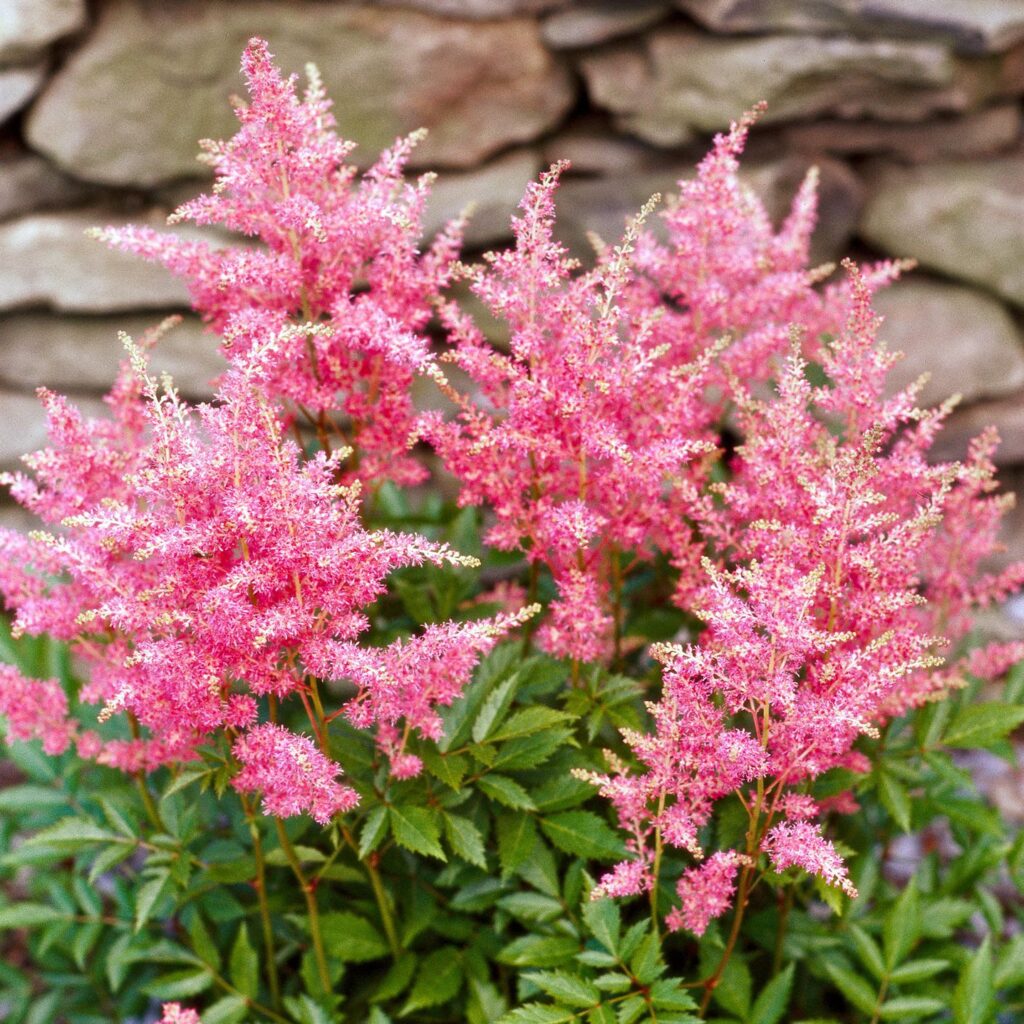
Shade-loving biennial flowers are extremely valuable in ornamental gardening because they help brighten areas where direct sunlight is limited. Many gardens include shaded corners, walls, tree bases, or north-facing beds where sun-loving plants struggle. Biennials that tolerate partial shade make it possible to create attractive displays even in these low-light areas.
In Nepal, shaded spaces are common in home gardens, terrace layouts, and hillside landscapes. Choosing suitable biennial plants for these areas ensures that the garden remains colorful and balanced throughout the year. Most shade-tolerant biennials grow foliage during winter and begin flowering in late winter or spring when temperatures become moderate.
Their combination of adaptability, soft blooms, and ability to thrive in filtered light makes shade-loving biennials essential for designing complete ornamental gardens.
Characteristics of Shade Loving Biennials
Shade-tolerant biennials usually prefer partial sunlight rather than deep darkness. They perform best in areas receiving morning sun and afternoon shade or in locations with filtered light under trees.
These plants often develop larger or softer leaves to capture available light. Their flowering may be slightly later than sun-grown plants, but blooms are usually long-lasting and delicate.
Many shade-loving biennials also prefer slightly moist, fertile soil enriched with organic matter. Proper moisture and airflow help prevent fungal diseases that may occur in low-light environments.
Because shaded areas often retain more moisture, drainage and spacing become important factors for successful cultivation.
Popular Shade Loving Biennial Flowers
Several ornamental biennials perform well in partial shade conditions.
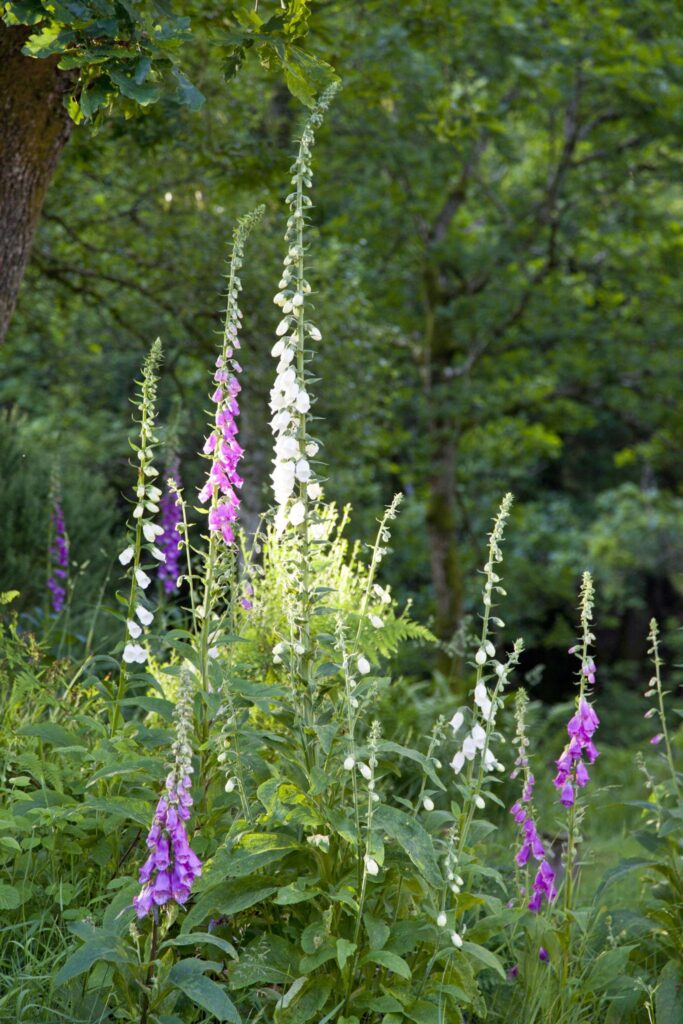
Digitalis purpurea (Foxglove) is one of the best shade-tolerant biennials. It grows well in woodland-style gardens and produces tall spikes of tubular blooms.
Campanula medium (Canterbury bells) also tolerates partial shade and produces large bell-shaped flowers suitable for borders and cut flower use.
Hesperis matronalis (Sweet rocket) grows well in woodland edges and shaded beds, producing fragrant clusters of flowers in spring.
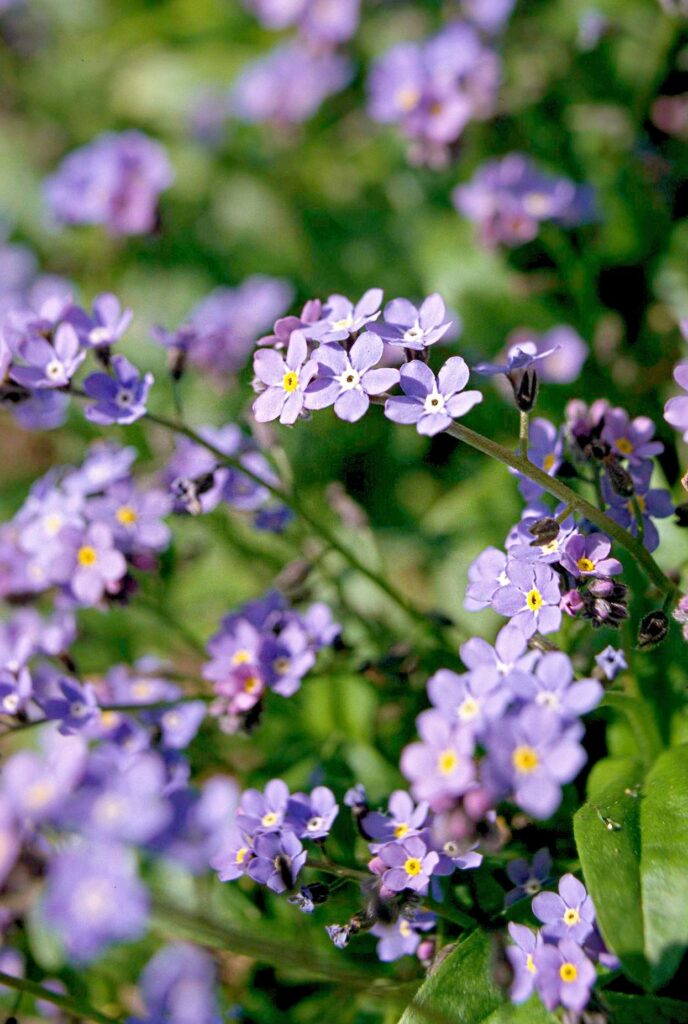
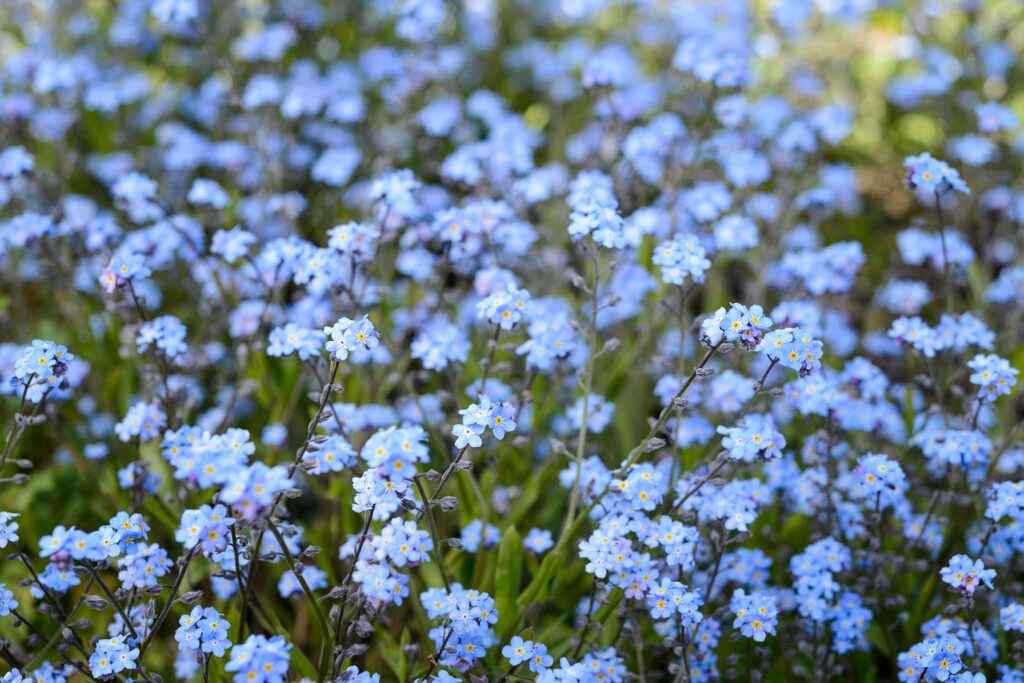
Myosotis sylvatica (Forget-me-not) is ideal for shaded ground cover and produces carpets of small blue blooms in cool seasons.
Dianthus barbatus (Sweet William) can tolerate light shade and performs well when given a few hours of sunlight each day.
Other shade-tolerant biennials such as Matthiola species, Scabiosa, and certain Centaurea types may also grow in partial shade with proper care.
Soil and Site Preparation
Shaded beds often require special soil preparation to support healthy plant growth.
Soil should be enriched with compost or leaf mold to improve structure and fertility. Organic matter helps retain moisture while still allowing proper drainage.
Raised beds or slightly elevated planting areas help prevent waterlogging, which can occur more easily in shaded locations.
Spacing should be slightly wider than usual to ensure good airflow and reduce fungal problems. Mulching with organic material helps maintain soil moisture and suppress weeds.
Proper site preparation greatly improves the performance of shade-loving biennials.
Planting and Propagation
Shade-loving biennials are usually grown from seed and planted during early winter.
Seeds may be sown in nursery trays or directly in prepared beds. Germination usually occurs within 7–15 days depending on the species.
Seedlings should be transplanted once they develop several true leaves. Spacing of about 25–45 cm is usually sufficient depending on plant size.
Planting early ensures that plants establish strong roots before the flowering period begins.
Some species, particularly forget-me-nots and foxgloves, may self-seed naturally and continue appearing in shaded areas year after year.
Care and Maintenance
Shade-loving biennials require slightly different care compared to sun-grown plants.
Watering should be moderate but consistent, as shaded soil retains moisture longer. Overwatering should be avoided to prevent root diseases.
Applying compost before planting usually provides enough nutrients. Additional fertilizer may be applied lightly during early growth if required.
Removing weeds is important because competition for light is higher in shaded areas. Deadheading some species helps prolong flowering, while allowing others to seed supports natural regeneration.
Maintaining airflow by thinning crowded plants reduces the risk of fungal problems.
Garden Uses of Shade Biennials
Shade-loving biennials are extremely useful in many types of garden layouts.
They are ideal for woodland gardens, shaded borders, tree base planting, and north-facing beds. They also work well in terrace gardens where walls create shaded pockets.
These plants are often combined with shade-tolerant perennials and foliage plants to create layered, soft-looking compositions.
Because of their gentle colors and relaxed growth habit, shade biennials are especially useful for creating calm and natural garden spaces.