

Introduction
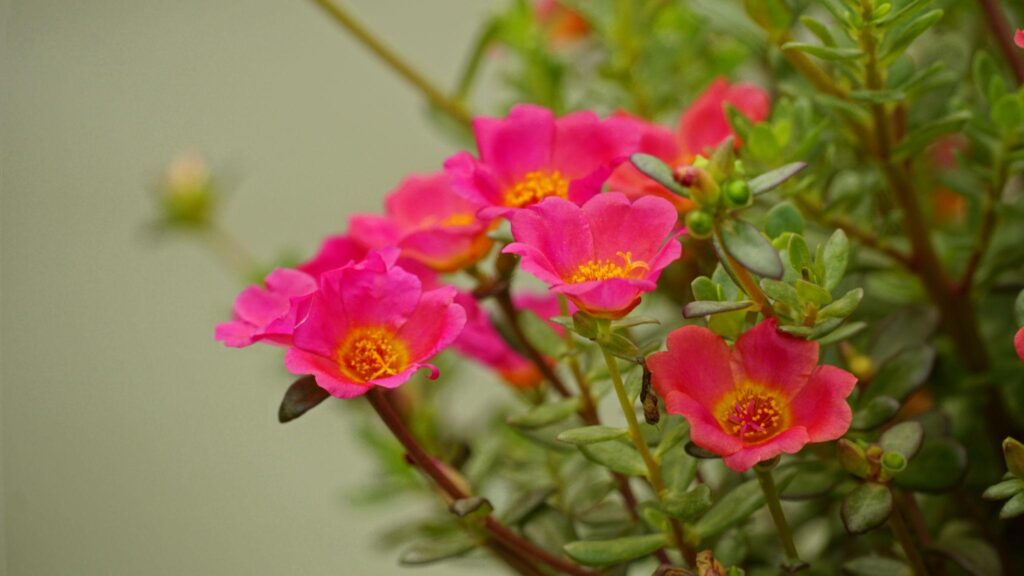
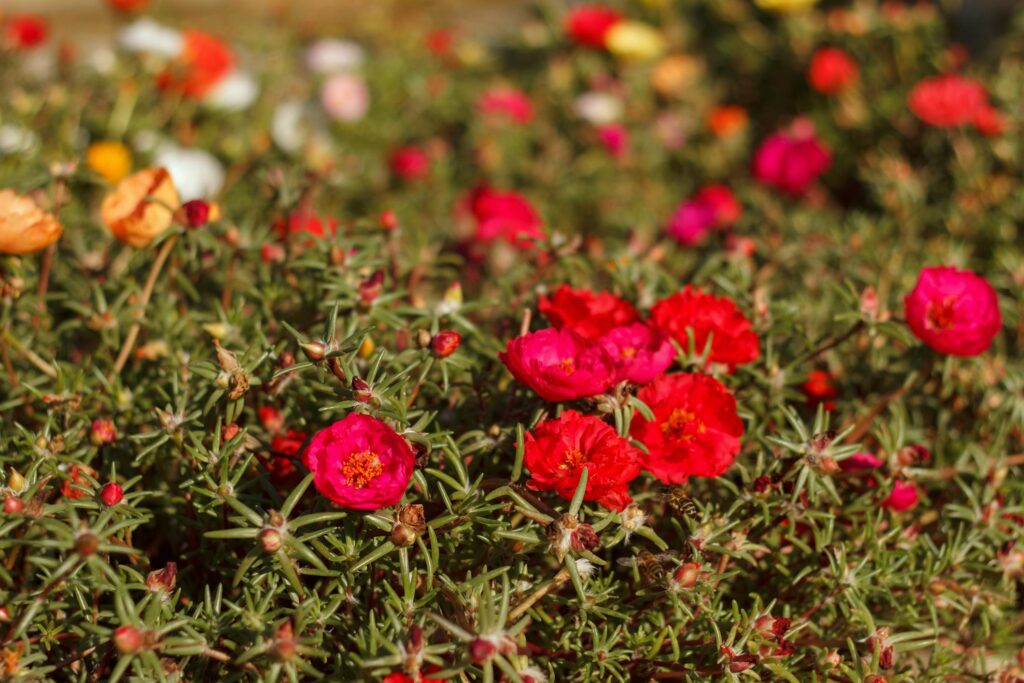
Portulaca, commonly known as moss rose or sun rose, is one of the best flowering plants for dry and sunny conditions. It is especially valued for its ability to thrive in poor soil, tolerate drought, and produce bright flowers even in harsh environments. Because of these qualities, portulaca is widely grown in home gardens, roadside landscapes, rock gardens, and terrace pots.
Native to South America, portulaca has become popular worldwide as a heat-tolerant ornamental plant. In Nepal, it grows very well during spring, summer, and early autumn, particularly in warm regions with strong sunlight. Gardeners prefer portulaca because it spreads quickly, requires very little maintenance, and produces flowers continuously throughout the hot season.
Its low-growing habit, colorful blooms, and ability to survive in dry conditions make portulaca one of the most reliable plants for water-saving gardens and low-maintenance landscapes.
Scientific Classification
Kingdom: Plantae
Division: Magnoliophyta
Class: Magnoliopsida
Order: Caryophyllales
Family: Portulacaceae
Genus: Portulaca
Species: Portulaca grandiflora
Common name: Moss rose, sun rose, portulaca
Native origin: South America
Most garden varieties are compact spreading types selected for large flowers and improved color range.
Identification of Plant
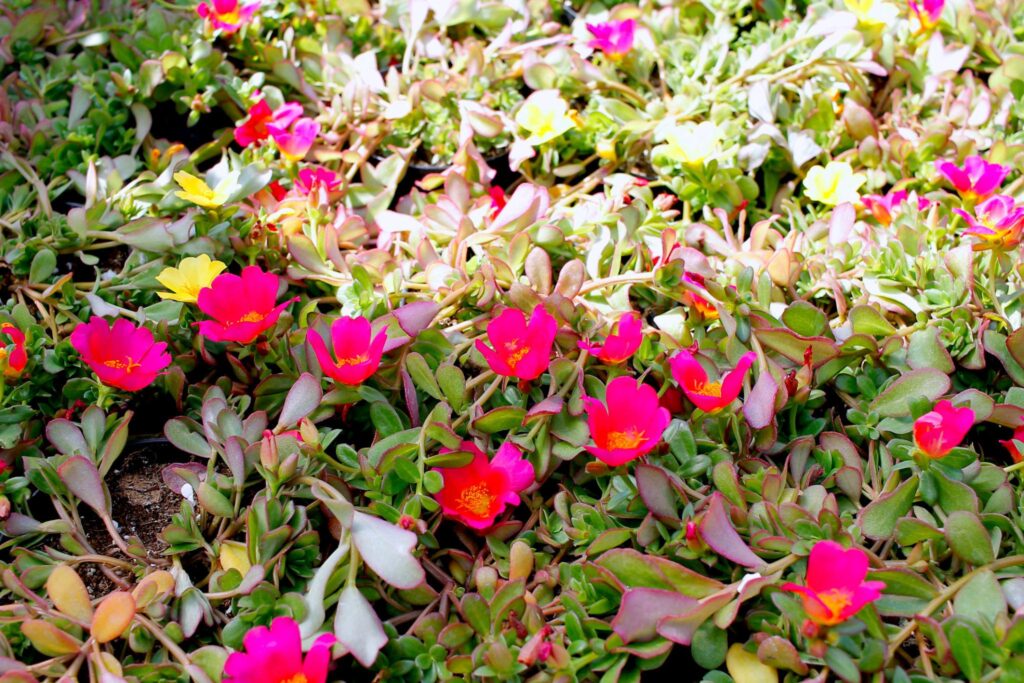
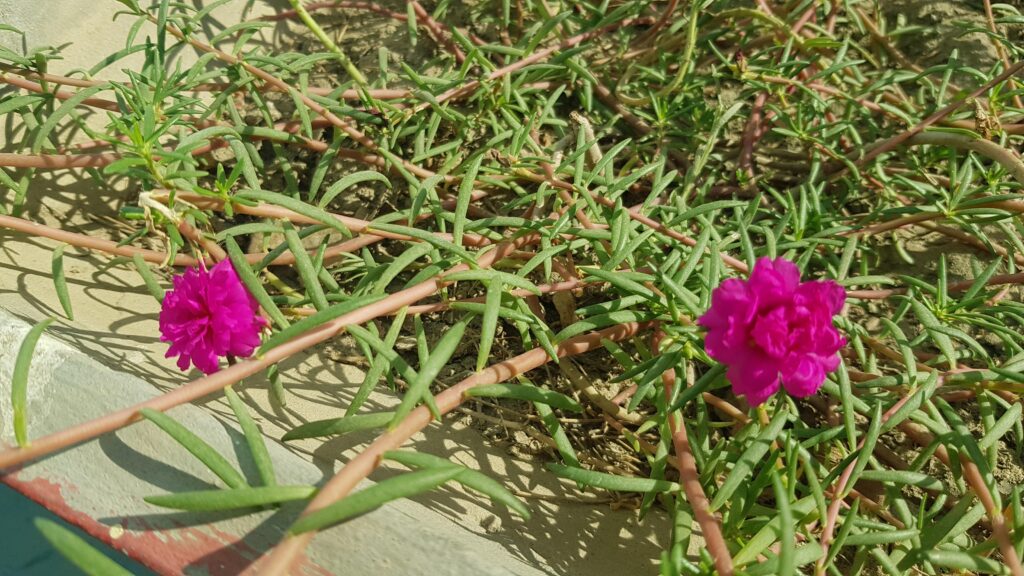
Portulaca is a low-growing succulent annual that forms a spreading mat close to the ground. The stems are soft, fleshy, and slightly reddish, while the leaves are narrow, cylindrical, and succulent in texture. This structure helps the plant conserve water and survive in dry environments.
The flowers are small to medium in size and appear in many bright colors such as yellow, pink, red, orange, white, and mixed shades. Some varieties have single blooms, while others produce double, rose-like flowers.
Flowers usually open fully in bright sunlight and may close in cloudy weather or at night. Because of its succulent leaves, spreading habit, and vivid blooms, portulaca is easily recognized in sunny garden beds.
Climate and Soil Requirement
Portulaca prefers warm and sunny climates and grows best in temperatures between 20–35°C. It performs exceptionally well in areas receiving strong sunlight and limited rainfall.
Choose a location with full sun exposure throughout the day. Soil should be light, sandy, and well drained. Portulaca tolerates poor soil conditions and even grows in rocky or gravelly areas where many other plants fail.
Avoid heavy clay soil or areas where water collects, as the plant does not tolerate waterlogging. Minimal soil fertility is sufficient for healthy growth and flowering.
Propagation and Planting Method
Portulaca can be grown both from seed and from stem cuttings, making it one of the easiest ornamental plants to propagate.
For seed sowing, scatter seeds lightly on prepared soil and press gently without deep covering, as seeds need light for germination. Keep soil slightly moist until seedlings appear, usually within 5–7 days.
Stem cuttings also root easily. Cut small healthy stems and place them in loose soil. They usually establish quickly and start growing within a few days.
Spacing of about 20–25 cm between plants is sufficient because portulaca spreads naturally to cover the ground.
Planting is usually done in early spring so that flowering continues through summer and into autumn.
Care and Maintenance
Portulaca is extremely low maintenance and suitable for gardeners who prefer minimal watering and care.
Water plants lightly and infrequently. Once established, portulaca tolerates dry soil and rarely needs frequent watering. Overwatering should be avoided because it may cause root rot.
Fertilization is usually not necessary. Excess nutrients often result in more leafy growth and fewer flowers.
Weeding during early growth stages helps plants establish quickly. Once the plant spreads, it naturally covers the soil and suppresses most weeds.
Trimming is rarely required, but removing old or weak stems may help maintain a neat appearance in beds and containers.
Pest and Disease Management
Portulaca is generally resistant to pests and diseases, especially in dry and sunny conditions.
Aphids may occasionally appear on tender shoots, though infestations are usually minor. Snails or slugs may damage young plants in moist conditions.
Neem oil spray works well as a preventive treatment if needed. Maintaining good sunlight and avoiding excessive moisture usually keeps the plant healthy.
Fungal diseases are rare but may occur in poorly drained soil or during prolonged wet weather. Ensuring proper drainage and moderate watering helps prevent such issues.
Healthy plants grown in sunny locations rarely face serious problems.
Flowering and Garden Uses
Portulaca usually begins flowering about 45–55 days after planting and continues blooming throughout the warm season. With proper sunlight, it produces flowers almost daily.
In home gardening, portulaca is widely used for:
Ground cover in sunny beds
Rock garden planting
Terrace and rooftop gardening
Hanging pots and container displays
Water-saving ornamental landscapes
Because of its drought tolerance, spreading habit, and bright colors, portulaca is one of the best flowers for dry areas and low-maintenance gardens.