

Introduction
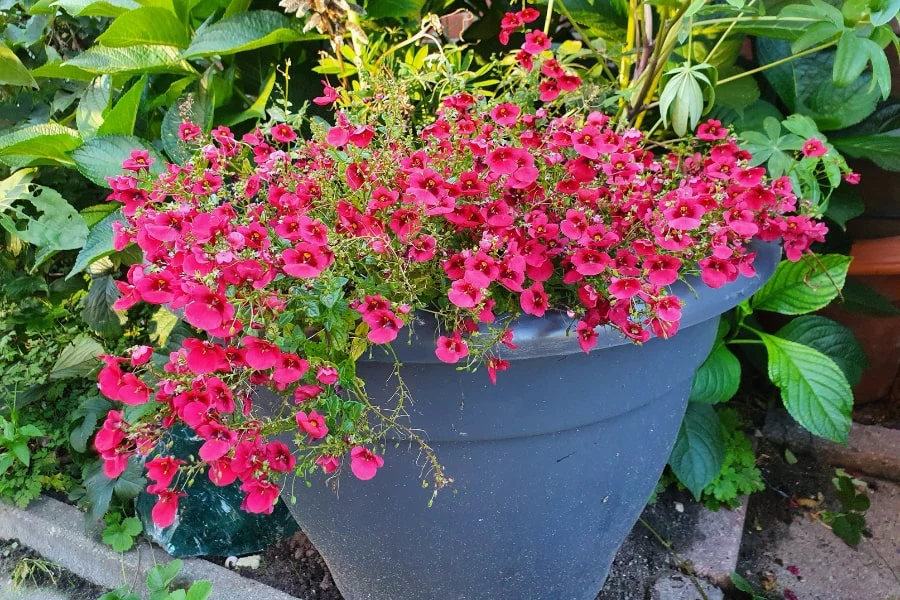
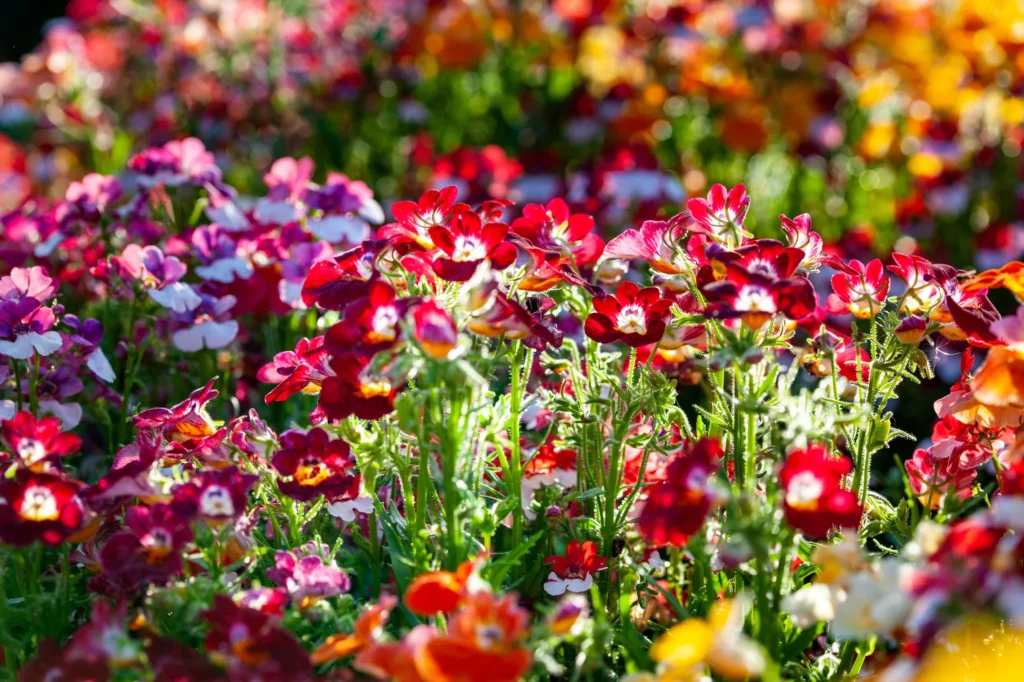
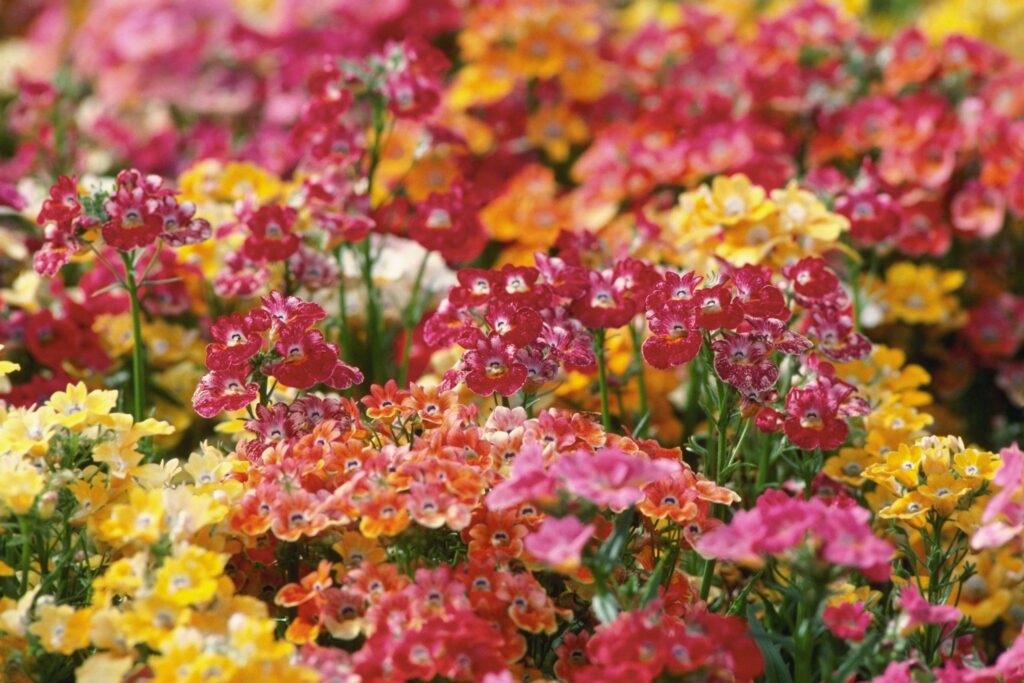
Nemesia is a charming annual flowering plant valued for its soft, colorful blooms and compact growth habit. It is especially popular in ornamental gardening because it produces masses of small flowers that create a bright and cheerful display. Due to its manageable height and long blooming period, nemesia is widely planted in flower beds, borders, and containers.
Native to South Africa, nemesia adapts well to moderate climates and grows successfully in Nepal during winter and spring when temperatures are mild. Gardeners prefer nemesia because it grows easily from seed, flowers early, and combines beautifully with other seasonal plants such as petunia, alyssum, and dianthus.
Its delicate blooms, pleasant fragrance, and ability to brighten garden spaces make nemesia one of the most useful annual flowers for decorative planting.
Scientific Classification
Kingdom: Plantae
Division: Magnoliophyta
Class: Magnoliopsida
Order: Lamiales
Family: Scrophulariaceae
Genus: Nemesia
Common ornamental species: Nemesia strumosa and hybrid bedding varieties
Common name: Nemesia
Native origin: South Africa
Modern garden varieties are bred for compact growth, bright colors, and improved flowering duration.
Identification of Plant
Nemesia is a small bushy annual herb that grows about 20–30 cm tall. The plant forms a rounded mound of slender stems and narrow green leaves. The foliage remains neat and compact throughout the growing season.
The flowers are small and two-lipped, often with contrasting colors on the upper and lower petals. Shades include yellow, orange, pink, red, purple, blue, and white combinations. Flowers appear densely along the stems, creating a soft carpet of color.
Because of its compact shape and numerous small blooms, nemesia is easily recognized in ornamental beds and containers. The plant often produces a light fragrance, which adds to its decorative value.
Climate and Soil Requirement
Nemesia prefers cool to moderately warm conditions and grows best in temperatures between 12–24°C. It performs very well in Nepal during winter and early spring.
Choose a sunny location for best flowering, though light shade during warmer afternoons helps maintain bloom quality. Soil should be loose, fertile, and well drained. Mixing compost into the soil before planting improves growth and flowering performance.
Nemesia prefers moderate soil fertility. Excess fertilizer may lead to leafy growth with fewer flowers. Good drainage is essential to avoid root problems.
Propagation and Planting Method
Nemesia is commonly grown from seed and is usually raised in nursery trays before transplanting.
Sow seeds lightly on moist soil and cover with a thin layer of fine compost. Germination usually occurs within 7–10 days in suitable conditions. Seedlings are ready for transplanting after about three weeks when they develop several true leaves.
Spacing of about 20–25 cm between plants is ideal for bedding displays. For container planting, one or two plants per pot are sufficient depending on pot size.
Planting is usually done in early winter so that flowering continues into spring.
Care and Maintenance
Nemesia is easy to maintain but benefits from simple care.
Water plants regularly, keeping the soil slightly moist but never waterlogged. Consistent moisture helps maintain continuous flowering and prevents stress.
Applying compost before planting usually supplies sufficient nutrients. A light liquid fertilizer every two to three weeks can encourage stronger blooming, especially in containers.
Removing faded flowers helps stimulate new buds and keeps the plant neat. Light trimming after the first flush of blooms can also encourage fresh growth and prolong the flowering period.
Weeding during early growth stages ensures plants establish properly and receive enough nutrients and sunlight.
Pest and Disease Management
Nemesia is generally healthy but may occasionally face minor pest issues.
Aphids may attack young shoots, causing curling leaves and reduced growth. Thrips may sometimes damage flowers and reduce their appearance.
Neem oil spray applied weekly works well as an organic preventive treatment. Washing plants with mild soap solution also helps remove sucking insects effectively.
Fungal diseases such as root rot or leaf spots may occur in overly wet or poorly ventilated conditions. Proper drainage, sunlight, and spacing usually prevent such problems.
Healthy plants grown in cool, airy beds rarely suffer from serious issues.
Flowering and Garden Uses
Nemesia usually begins flowering about 50–60 days after planting and continues blooming for several weeks. With proper care, the plant produces a dense display of colorful blooms.
In home gardening, nemesia is widely used for:
Seasonal flower beds and borders
Container and balcony gardening
Mixed bedding displays
Soft edging along pathways
Combining with other winter annuals
Because of its compact size and bright colors, nemesia is especially effective in creating cheerful seasonal garden arrangements.