
Introduction
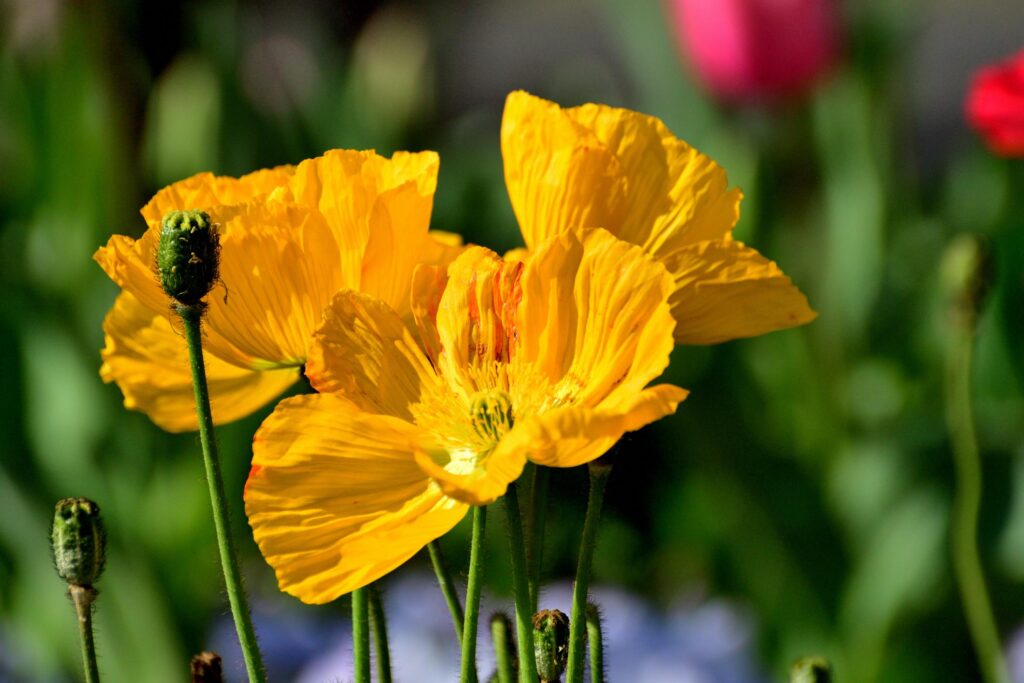
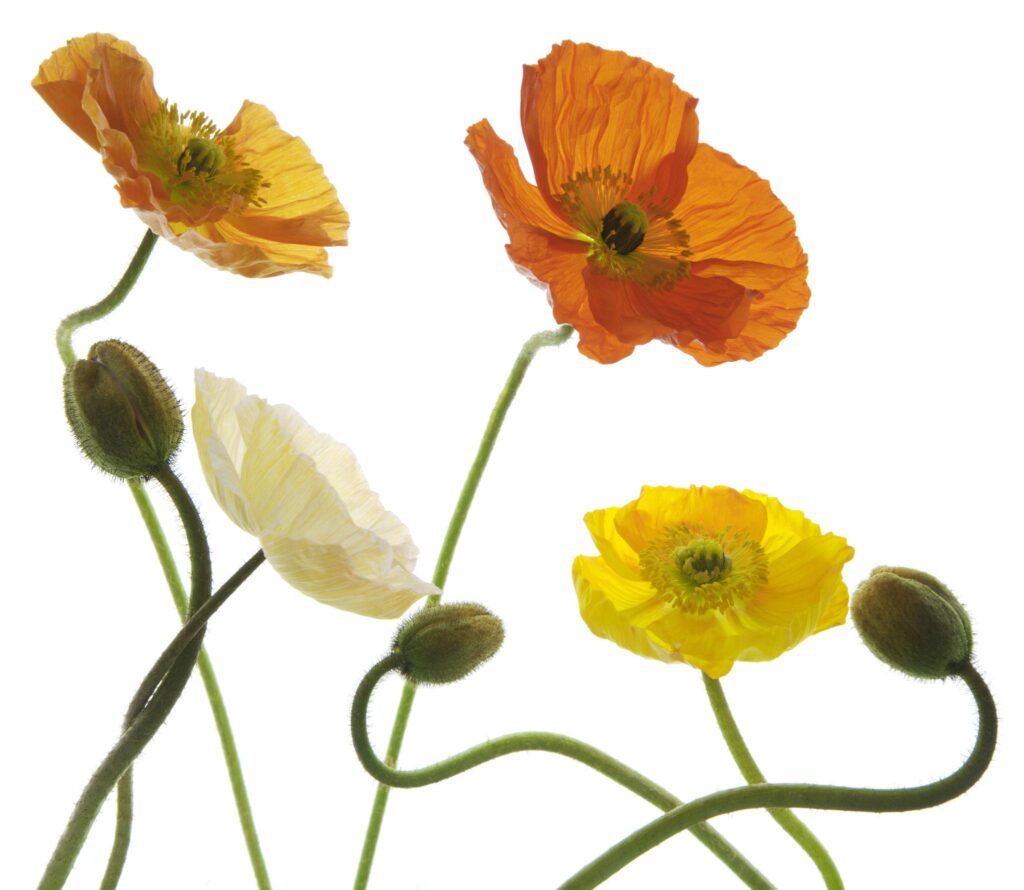
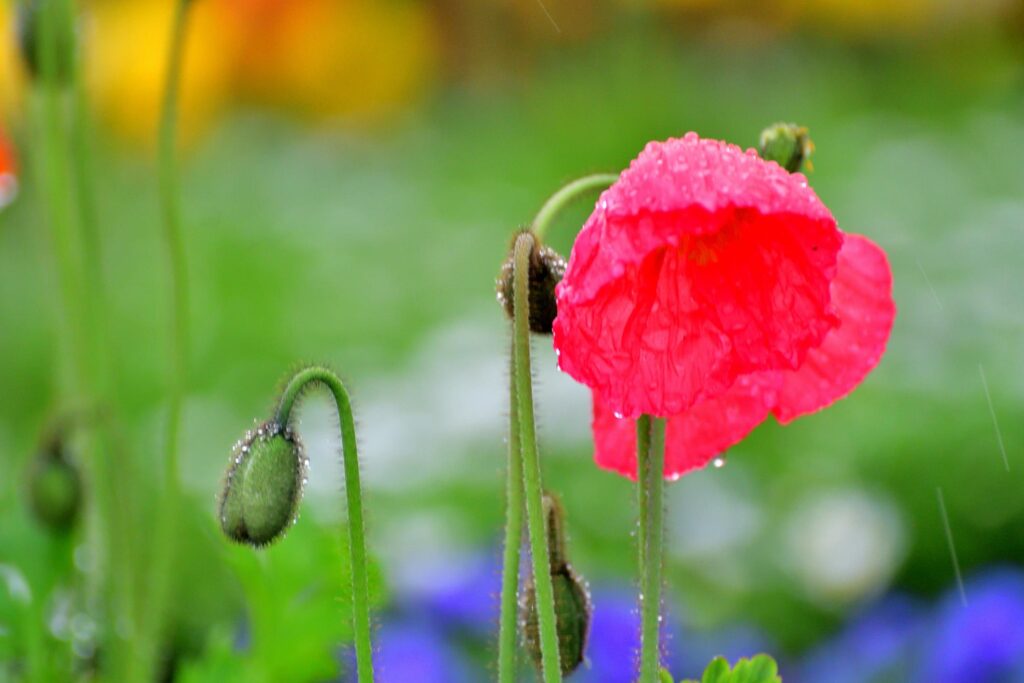
Iceland poppy is a delicate and colorful ornamental flowering plant widely grown in gardens for its silky petals and graceful stems. It is especially valued for producing blooms in cool seasons when many other plants are not at their peak. Because of its soft pastel shades and light, airy appearance, Iceland poppy is often planted in seasonal beds, cottage gardens, and mixed borders where it adds brightness without overwhelming surrounding plants.
Despite its name, Iceland poppy is native to subpolar regions of North America, Europe, and Asia, where it thrives in cool climates. It adapts well to temperate conditions and grows successfully in many parts of Nepal during winter and spring. Gardeners appreciate it because it grows easily from seed, produces flowers in a relatively short time, and works well both in garden displays and cut flower arrangements.
Its combination of gentle colors, elegant stems, and long blooming period makes Iceland poppy one of the most charming cool-season ornamentals for decorative planting.
Scientific Classification
Kingdom: Plantae
Division: Magnoliophyta
Class: Magnoliopsida
Order: Ranunculales
Family: Papaveraceae
Genus: Papaver
Species: Papaver nudicaule
Common name: Iceland poppy
Native origin: Subpolar regions of Europe, Asia, and North America
Garden varieties include shades of white, yellow, orange, pink, apricot, and soft red, often with contrasting centers.
Identification of Plant
Iceland poppy is a low to medium-height biennial or cool-season perennial herb that usually grows between 30–50 cm tall.
Leaves are soft, slightly hairy, and deeply lobed, forming a low rosette at the base of the plant. Slender leafless stems rise from this base, each carrying a single flower at the tip.
The blooms are cup-shaped with thin, silky petals that appear almost translucent in sunlight. Flowers often sway gently in the breeze, giving the plant a light and elegant appearance.
Because of its delicate petals, fine stems, and rosette foliage, Iceland poppy is easy to recognize in ornamental beds.
Climate and Soil Requirement
Iceland poppy prefers cool to moderately warm conditions and grows best in temperatures between 8–20°C. It performs very well in Nepal during winter and early spring, particularly in cooler regions.
The plant grows best in full sunlight but can tolerate light partial shade. Soil should be loose, fertile, and well drained. Mixing compost or organic matter before planting improves soil structure and supports better flowering.
Iceland poppy prefers slightly moist soil conditions but does not tolerate waterlogging. Moderate fertility is ideal, as excessive fertilizer may reduce flower quality.
Propagation and Planting Method
Iceland poppy is commonly grown from seed and is usually sown directly in garden beds or trays.
Seeds are very small and should be sown lightly on moist soil without deep covering. Germination usually occurs within 10–15 days in cool conditions.
Spacing of about 20–25 cm between plants allows proper airflow and development of flowering stems.
Planting is usually done in early winter so that flowering continues into late winter and spring.
Direct sowing is often preferred because the plant develops delicate roots that dislike transplant disturbance.
Care and Maintenance
Iceland poppy requires moderate care but rewards gardeners with abundant blooms.
Water plants regularly but lightly, keeping the soil slightly moist without becoming soggy. Consistent moisture supports healthy foliage and flower production.
Applying compost before planting usually provides sufficient nutrients. A light balanced fertilizer during early growth may improve flowering.
Removing faded blooms encourages continued flowering and keeps plants neat. Weeding during early growth stages ensures plants establish properly and receive sufficient sunlight and nutrients.
Because of their slender stems, plants should be protected from strong winds if possible.
Pest and Disease Management
Iceland poppy is generally hardy but may occasionally face minor pest problems.
Aphids may attack tender shoots, while slugs and snails may damage young leaves. Neem oil spray works well as an organic preventive treatment.
Hand removal or protective barriers can help control slugs and snails.
Fungal diseases such as root rot may occur in poorly drained soil. Proper drainage, spacing, and moderate watering usually prevent these issues.
Healthy plants grown in cool, sunny conditions remain productive throughout the season.
Flowering and Garden Uses
Iceland poppy usually blooms from late winter into spring, producing numerous delicate flowers on slender stems.
In home gardening, Iceland poppy is widely used for:
Seasonal bedding displays
Cottage-style garden planting
Cut flowers for arrangements
Mixed ornamental borders
Cool-season decorative beds
Because of its soft colors and elegant form, Iceland poppy is especially useful for creating light and graceful garden compositions.