Introduction
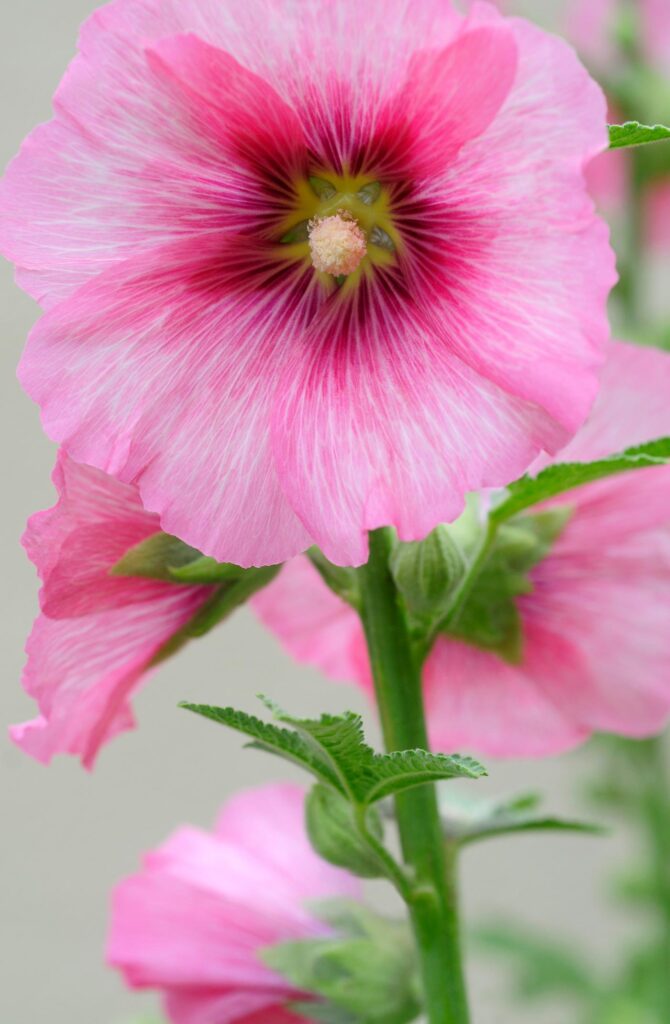
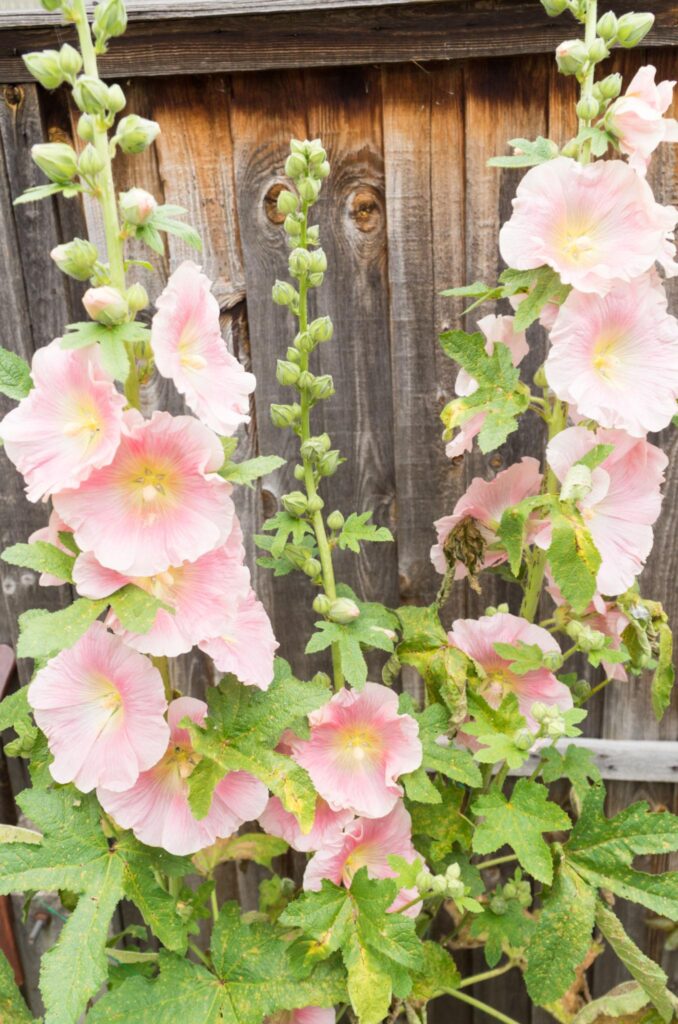
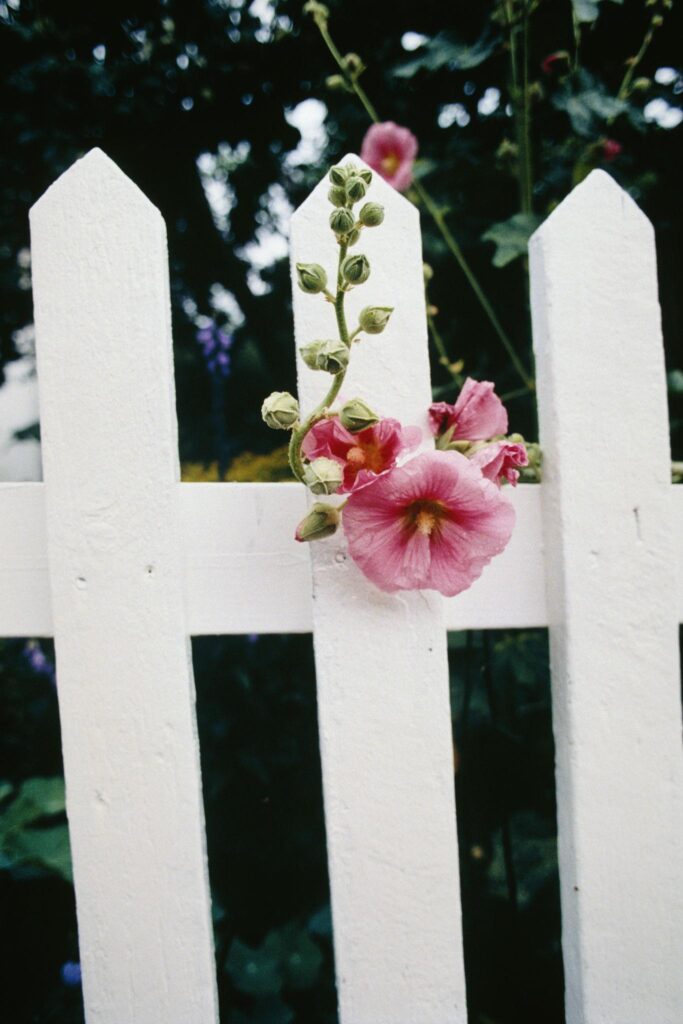
Hollyhock is one of the most iconic ornamental biennial plants grown in gardens for its tall flowering spikes and large colorful blooms. It is especially valued for its ability to create strong vertical accents in garden beds and for its traditional role in cottage-style landscaping. Because of its impressive height and long flowering stems, hollyhock is often planted along fences, walls, and the back of borders where it forms a dramatic floral backdrop.
Native to Asia and the Mediterranean region, hollyhock grows well in temperate climates and performs successfully in many parts of Nepal, particularly in winter and spring seasons. Gardeners appreciate hollyhock because it produces striking flowers in the second year, grows easily from seed, and attracts pollinators such as bees and butterflies.
Its combination of height, color diversity, and architectural presence makes hollyhock one of the most valuable biennial ornamentals for traditional and modern garden designs.
Scientific Classification
Kingdom: Plantae
Division: Magnoliophyta
Class: Magnoliopsida
Order: Malvales
Family: Malvaceae
Genus: Alcea
Species: Alcea rosea
Common name: Hollyhock
Native origin: Asia and Mediterranean region
Garden varieties include single, semi-double, and double-flowered types in shades of pink, red, white, yellow, purple, and maroon.
Identification of Plant
Hollyhock is a tall biennial herb that forms a rosette of leaves in the first year and produces towering flowering stems in the second year. Plants typically grow between 1.5–2.5 meters tall when in bloom.
Leaves are large, rounded, and slightly hairy, forming a dense basal cluster during the vegetative stage. In the flowering stage, long upright stems arise from the base and carry numerous large cup-shaped flowers arranged along the spike.
The blooms are usually wide and showy, often with prominent central stamens. Because of its tall spikes, large leaves, and prominent flowers, hollyhock is easily recognized in ornamental landscapes.
Climate and Soil Requirement
Hollyhock prefers cool to moderately warm conditions and grows best in temperatures between 10–26°C. It performs well in Nepal during winter and spring, especially in sunny open locations.
The plant requires full sunlight for strong flowering, though it can tolerate light partial shade. Soil should be fertile, deep, and well drained. Mixing compost or organic manure before planting improves soil structure and supports strong stem growth.
Hollyhock prefers moderate to slightly rich soil fertility. Adequate moisture is important, but waterlogged conditions should be avoided as they may cause root problems.
Propagation and Planting Method
Hollyhock is commonly grown from seed and is usually sown directly in garden beds or raised in nursery trays.
Seeds should be planted about 1–2 cm deep in prepared soil and kept moist until germination. Seedlings usually appear within 7–12 days in suitable conditions. If raised in nursery beds, they can be transplanted when they develop several true leaves.
Spacing of about 45–60 cm between plants is recommended because hollyhock develops a large base and tall flowering stems.
Planting is usually done in early winter or late autumn so that plants establish before flowering in the next season.
In favorable conditions, hollyhock may self-seed and persist in the garden for many years.
Care and Maintenance
Hollyhock requires moderate care but grows well when basic practices are followed.
Water plants regularly to maintain slightly moist soil, especially during early growth and flowering stages. Deep watering encourages strong root development.
Applying compost before planting usually provides sufficient nutrients. A balanced fertilizer during early growth may support stronger flowering spikes.
Tall stems often require staking in windy areas to prevent bending or breakage. Removing faded flowers may help prolong the blooming period and maintain plant appearance.
Weeding during early stages ensures plants establish properly and reduces competition for nutrients.
Pest and Disease Management
Hollyhock may occasionally face pest and disease problems, particularly in humid conditions.
Aphids may attack young shoots and buds, while caterpillars may chew leaves. Neem oil spray works well as an organic preventive treatment.
One of the most common diseases affecting hollyhock is rust, which appears as orange or brown spots on leaves. Removing infected leaves and maintaining good airflow helps control this issue.
Root rot may occur in poorly drained soil, so proper drainage and moderate watering are essential.
Healthy plants grown in sunny, airy locations usually remain productive and strong.
Flowering and Garden Uses
Hollyhock usually flowers in its second year, producing tall spikes that bloom from late winter into spring or early summer depending on the climate.
In home gardening, hollyhock is widely used for:
Background planting along fences and walls
Cottage-style ornamental landscapes
Vertical accents in mixed flower beds
Pollinator-friendly garden planting
Cut flowers for tall arrangements
Because of its towering stems and bold blooms, hollyhock is especially effective for creating dramatic garden backdrops.