

Introduction
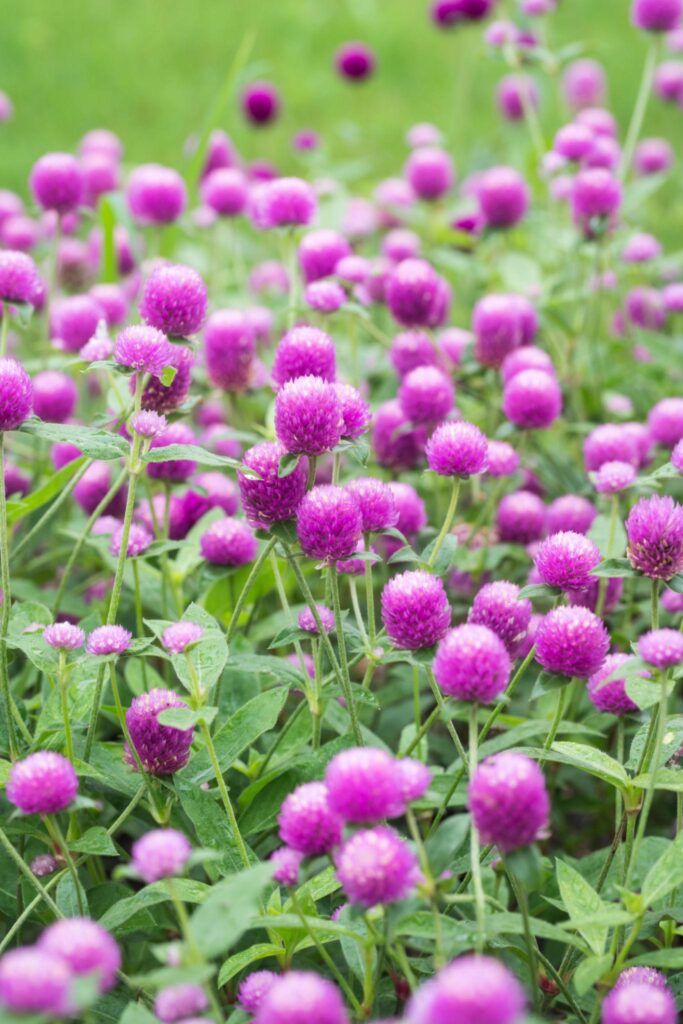
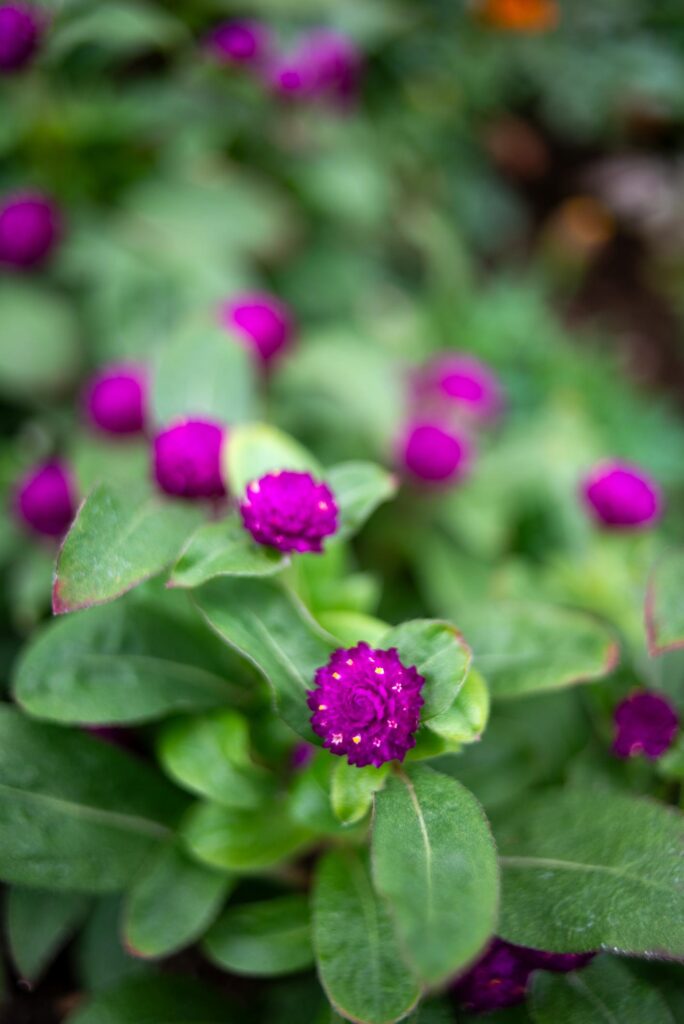
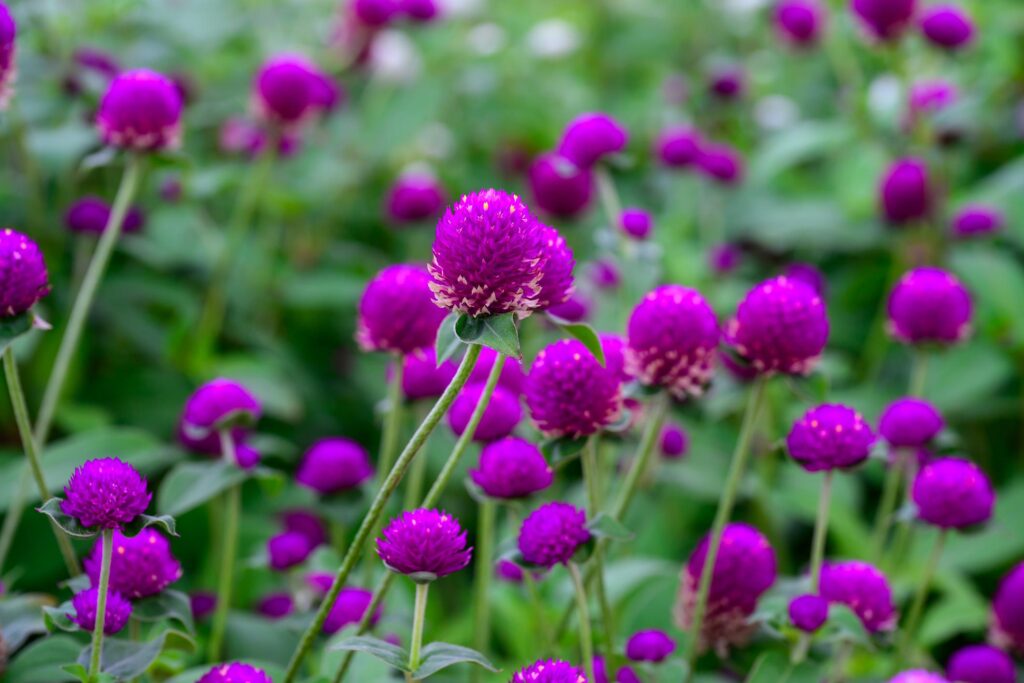
Gomphrena, commonly known as globe amaranth, is a hardy and colorful annual flower widely grown in home gardens and ornamental beds. It is especially valued for its round, clover-like flower heads and long-lasting blooms. Because of its tolerance to heat and dry conditions, gomphrena is often planted in sunny beds, borders, and low-maintenance gardens.
Native to Central and South America, gomphrena has become popular across tropical and subtropical regions. In Nepal, it grows successfully during spring, summer, and early autumn, particularly in areas with strong sunlight. Gardeners appreciate this plant because it grows easily from seed, requires minimal care, and continues flowering for a long time once established.
Its stiff stems and papery flowers also make it an excellent choice for dried flower arrangements. With its bright colors and durability, gomphrena is one of the most reliable ornamental annuals for warm-season gardening.
Scientific Classification
Kingdom: Plantae
Division: Magnoliophyta
Class: Magnoliopsida
Order: Caryophyllales
Family: Amaranthaceae
Genus: Gomphrena
Species: Gomphrena globosa
Common name: Globe amaranth
Native origin: Central and South America
Garden varieties are typically compact and bred for uniform flowering and bright color shades.
Identification of Plant
Gomphrena is a bushy annual herb that grows 30–50 cm tall with branching stems and narrow green leaves. The leaves are slightly rough and arranged opposite each other along the stem.
The flowers are small but appear in dense, round heads at the tips of stems. These flower heads are made up of papery bracts that give them a firm texture and long-lasting color. Shades include purple, pink, red, white, and occasionally orange.
Because of its rounded flower heads and stiff stems, gomphrena is easily recognized in ornamental beds. The plant maintains its shape well and continues producing new blooms throughout the season.
Climate and Soil Requirement
Gomphrena prefers warm and sunny conditions and grows best in temperatures between 20–32°C. It performs very well in Nepal during summer and early autumn.
Choose a location receiving full sunlight for most of the day. Soil should be well drained and moderately fertile. Mixing compost into the soil before planting improves structure and supports better growth.
Gomphrena tolerates relatively poor soil conditions and does not require excessive fertilization. Good drainage is important because the plant does not tolerate waterlogged soil.
Propagation and Planting Method
Gomphrena is commonly grown from seed and can be raised in nursery trays or sown directly into beds.
For nursery sowing, place seeds about 1 cm deep in moist soil and keep the area warm. Germination usually occurs within 7–10 days. Seedlings are ready for transplanting after about three weeks when they develop several true leaves.
Spacing of about 25–30 cm between plants is suitable for bedding displays. Direct sowing is also possible in warm climates where soil temperature supports rapid germination.
Planting is usually done in early spring so that flowering continues through summer.
Care and Maintenance
Gomphrena is a low-maintenance plant and suitable for gardeners who prefer easy-care ornamentals.
Water plants moderately, allowing the soil to dry slightly between watering. Once established, gomphrena tolerates short dry periods well.
Applying compost before planting usually provides sufficient nutrients. Additional fertilizer is rarely required unless soil fertility is extremely low.
Pinching young plants once encourages branching and results in more flower heads. Removing faded blooms may also promote continuous flowering and maintain a tidy appearance.
Weeding during early growth stages ensures plants establish quickly and receive sufficient nutrients.
Pest and Disease Management
Gomphrena is generally resistant to pests and diseases, though occasional issues may appear.
Aphids may attack tender shoots, causing reduced growth. Caterpillars may sometimes chew leaves, though damage is usually minor.
Neem oil spray applied weekly works well as an organic preventive treatment. Removing affected leaves early also helps reduce pest spread.
Fungal diseases are uncommon but may develop in poorly drained or overcrowded conditions. Proper spacing, sunlight, and moderate watering usually prevent such problems.
Healthy plants grown in sunny beds rarely suffer from serious issues.
Flowering and Garden Uses
Gomphrena usually begins flowering about 60–70 days after planting and continues blooming for a long period. The papery flowers retain their color even after drying, making them valuable for decorative use.
In home gardening, gomphrena is widely used for:
Seasonal bedding displays in sunny areas
Border planting along walkways
Container gardening in terraces
Pollinator-friendly garden designs
Dried flower arrangements and crafts
Because of its durability and bright color, gomphrena is especially useful for maintaining lively summer gardens.