
Introduction
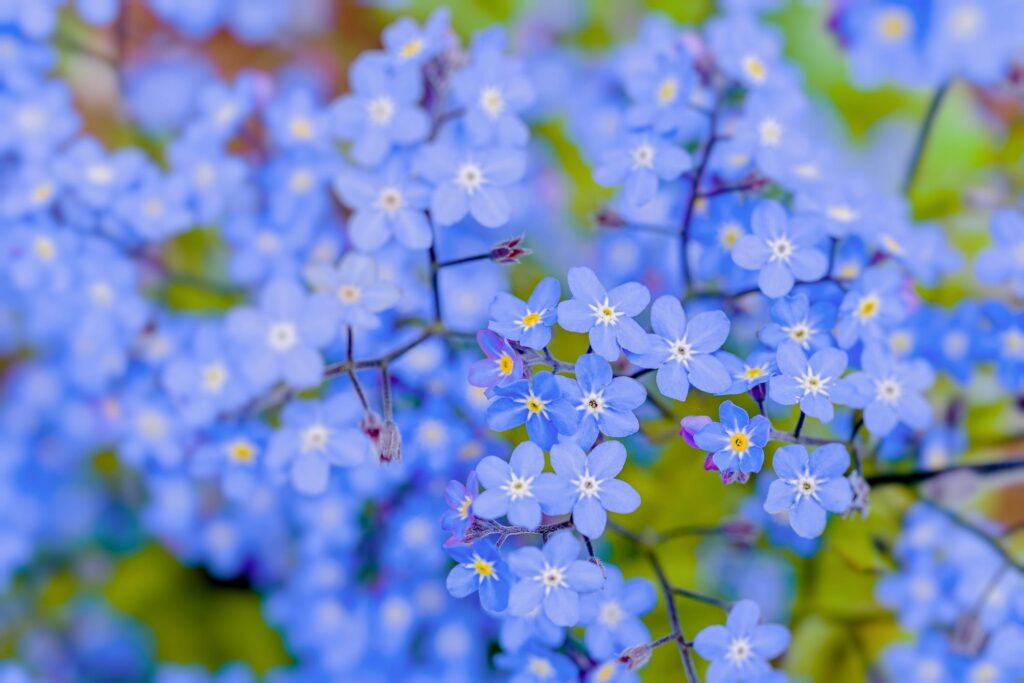
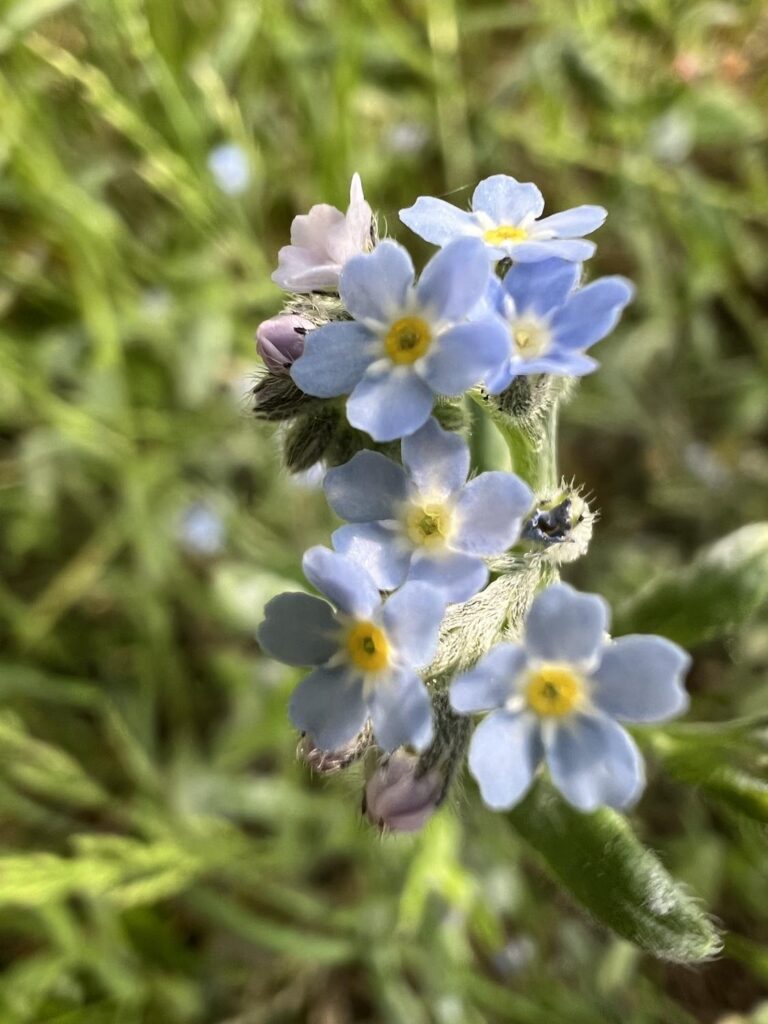
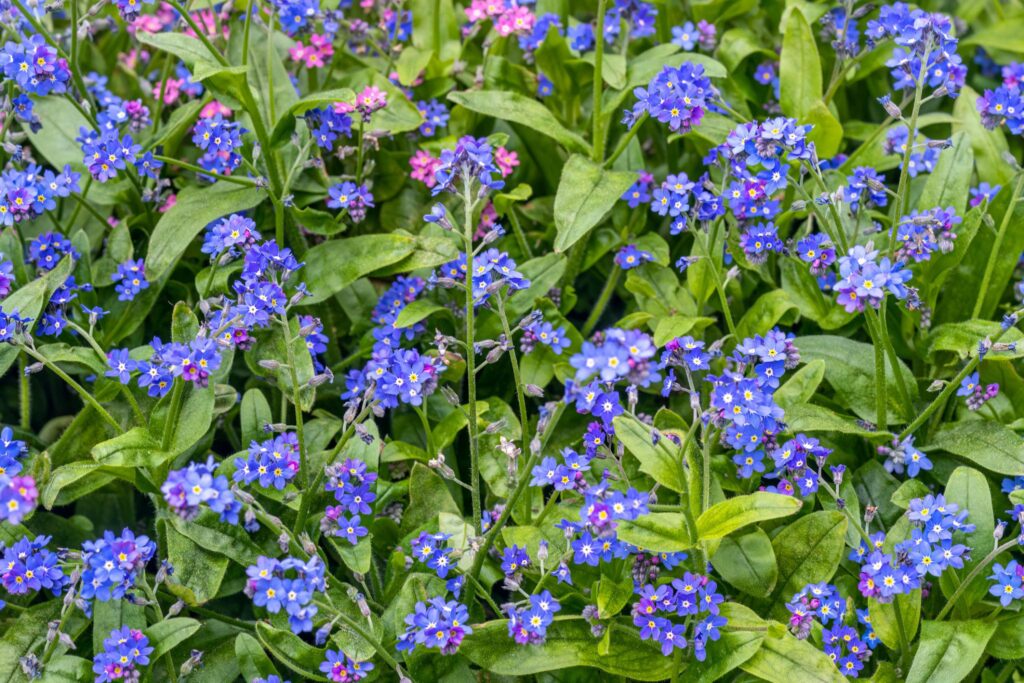
Forget-me-not is a charming and delicate biennial flowering plant widely grown in ornamental gardens for its small sky-blue blooms and soft natural appearance. It is especially valued for creating gentle color carpets in garden beds and for its ability to thrive in cooler conditions and partially shaded areas. Because of its graceful look and symbolic meaning of remembrance and affection, forget-me-not is often planted in cottage gardens, woodland borders, and decorative seasonal beds.
Native to Europe and western Asia, forget-me-not grows well in temperate climates and performs successfully in many parts of Nepal, particularly during winter and spring. Gardeners appreciate it because it grows easily from seed, spreads naturally once established, and flowers abundantly with minimal maintenance.
Its soft blue flowers, compact growth, and usefulness in shaded locations make forget-me-not one of the most attractive biennial ornamentals for gentle garden compositions.
Scientific Classification
Kingdom: Plantae
Division: Magnoliophyta
Class: Magnoliopsida
Order: Boraginales
Family: Boraginaceae
Genus: Myosotis
Common ornamental species: Myosotis sylvatica
Common name: Forget-me-not
Native origin: Europe and western Asia
Garden varieties include blue, pink, and white flowering forms, though blue remains the most popular ornamental type.
Identification of Plant
Forget-me-not is a small biennial herb that forms a leafy rosette in the first year and produces flowering stems in the second year. Plants typically grow between 15–30 cm tall when in bloom.
Leaves are soft, narrow, and slightly hairy, forming a low cluster at the base. The plant develops slender stems topped with clusters of tiny five-petaled flowers.
The blooms are usually bright sky blue with a small yellow or white center, creating a delicate and cheerful effect. Because of its fine stems, small leaves, and numerous tiny blue flowers, forget-me-not is easily recognized in ornamental plantings.
Climate and Soil Requirement
Forget-me-not prefers cool to moderately warm conditions and grows best in temperatures between 10–22°C. It performs very well in Nepal during winter and early spring, especially in cooler regions.
The plant grows well in full sun to partial shade. In warmer climates, light shade helps maintain leaf freshness and prolong flowering.
Soil should be fertile, slightly moist, and well drained. Mixing compost or organic matter before planting improves soil structure and supports healthy growth. Forget-me-not prefers moist soil but does not tolerate standing water.
Moderate fertility works best, as overly rich soil may encourage foliage growth at the expense of flowers.
Propagation and Planting Method
Forget-me-not is commonly grown from seed and often self-seeds once established.
Seeds should be sown lightly on moist soil and covered with a thin layer of fine compost. Germination usually occurs within 7–14 days in cool conditions. Seedlings are ready for transplanting after about three to four weeks.
Spacing of about 20–25 cm between plants allows them to spread and form dense flowering patches.
Planting is usually done in early winter so that plants establish properly before flowering in spring.
Because the plant self-seeds easily, it may return naturally each year in suitable conditions.
Care and Maintenance
Forget-me-not requires minimal care once established.
Water plants regularly to maintain slightly moist soil, especially during early growth and flowering stages. Consistent moisture helps maintain lush foliage and prolonged bloom.
Applying compost before planting usually provides sufficient nutrients. Additional fertilizer is rarely necessary unless soil fertility is very poor.
Light trimming after flowering may help control self-seeding if desired. Weeding during early stages ensures plants establish properly and receive adequate sunlight and nutrients.
In shaded gardens, removing surrounding weeds helps maintain airflow and reduce disease risk.
Pest and Disease Management
Forget-me-not is generally hardy but may occasionally face minor pest problems.
Aphids may attack young shoots, while slugs and snails may damage leaves in moist environments. Neem oil spray works well as a preventive treatment for insects.
Hand removal or protective barriers can help control slugs and snails.
Fungal diseases such as powdery mildew or root rot may occur in overly wet or poorly ventilated beds. Proper spacing, sunlight, and moderate watering usually prevent these issues.
Healthy plants grown in cool, airy conditions remain vigorous and productive.
Flowering and Garden Uses
Forget-me-not usually flowers in its second year, producing masses of small blooms from late winter into spring.
In home gardening, forget-me-not is widely used for:
Cottage-style garden planting
Woodland and shaded borders
Ground cover in seasonal beds
Container and terrace gardening
Soft edging along pathways
Because of its gentle blue blooms and spreading habit, forget-me-not is especially useful for creating calm, natural-looking garden displays.