Introduction
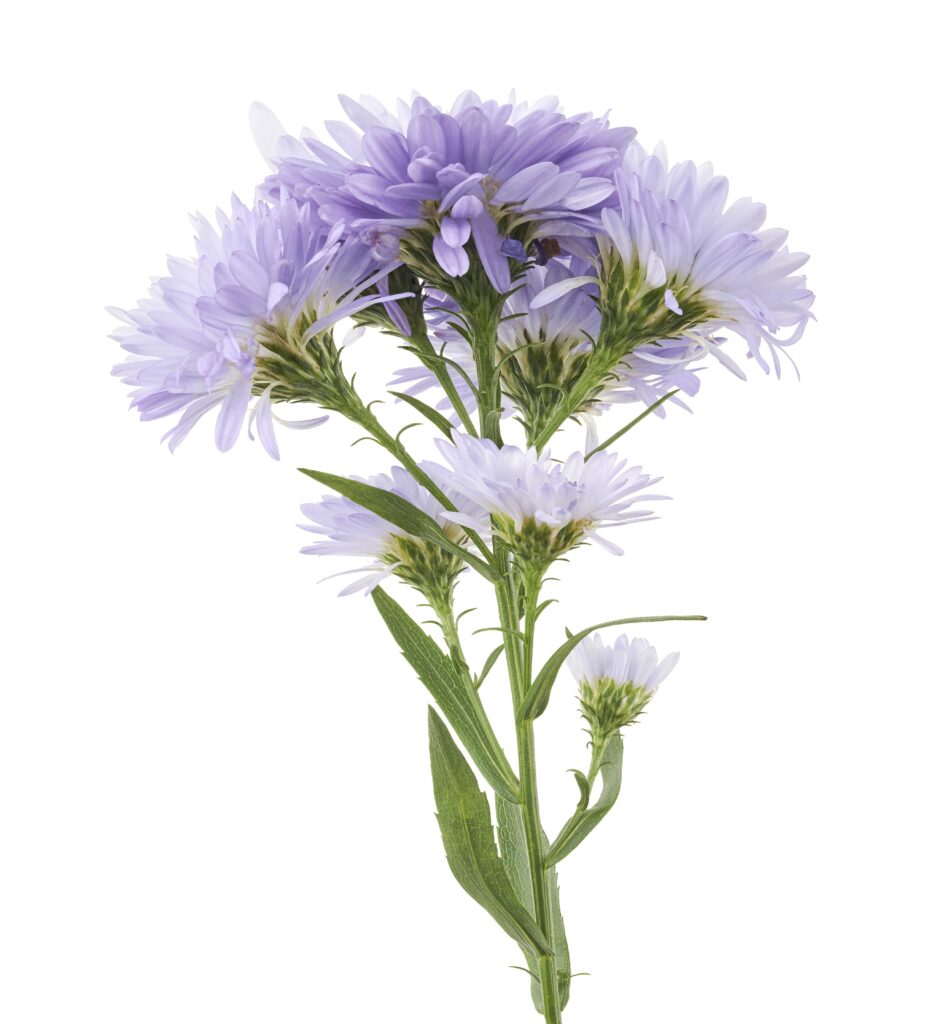
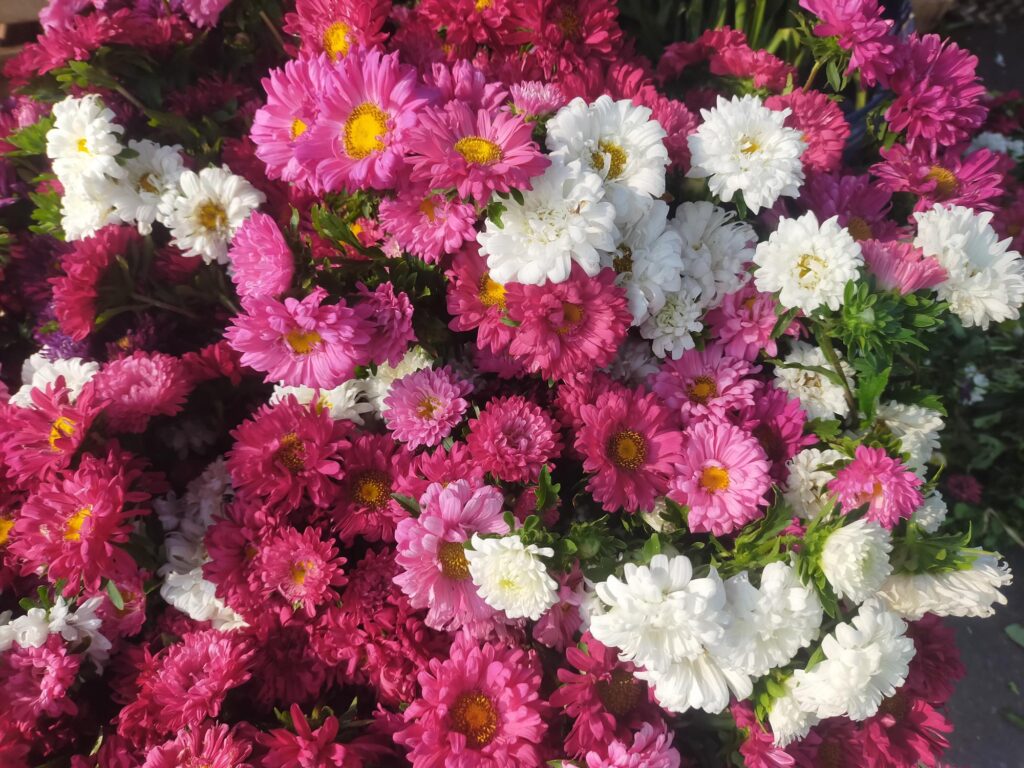
China aster is one of the most popular seasonal flowering plants grown in home gardens and commercial flower beds. It is admired for its large, colorful blooms that resemble chrysanthemums and for its suitability as both a bedding plant and a cut flower. Because of its rich color range and long flowering period, China aster is widely planted in ornamental gardens, parks, and floral production plots.
Native to China and parts of East Asia, China aster adapts well to moderate climates and grows successfully in Nepal during winter and spring. Gardeners prefer it because it grows easily from seed, produces strong flowering stems, and offers a wide variety of flower shapes and colors.
Its versatility in garden design and flower arrangements makes China aster one of the most valuable annual ornamental plants.
Scientific Classification
Kingdom: Plantae
Division: Magnoliophyta
Class: Magnoliopsida
Order: Asterales
Family: Asteraceae
Genus: Callistephus
Species: Callistephus chinensis
Common name: China aster
Native origin: China and East Asia
Garden varieties include dwarf bedding types, medium-height border varieties, and tall cut-flower types.
Identification of Plant
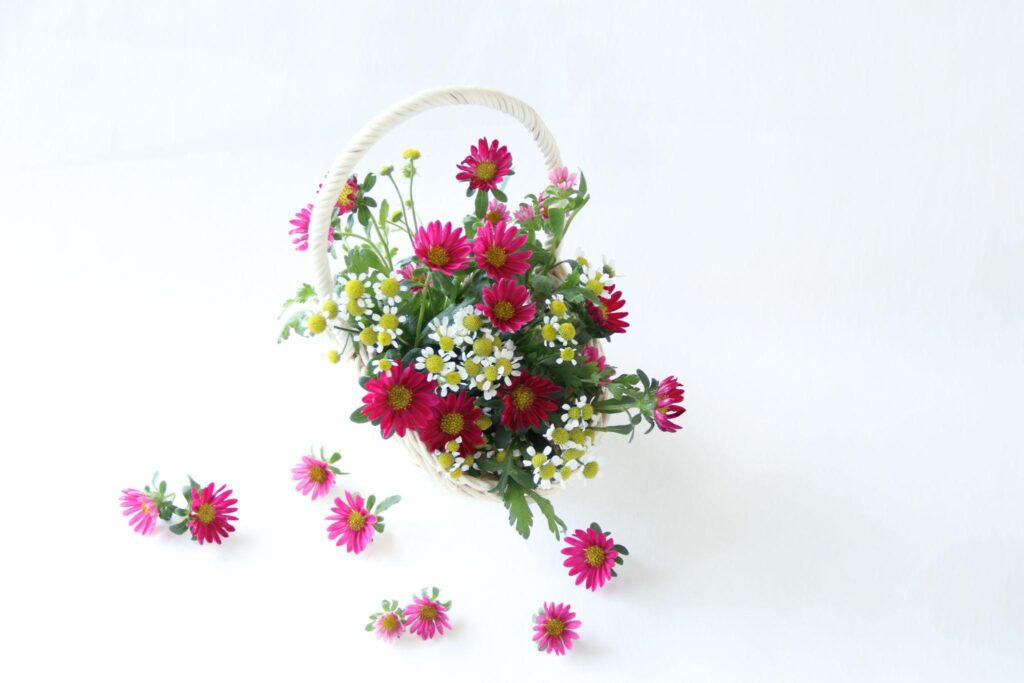
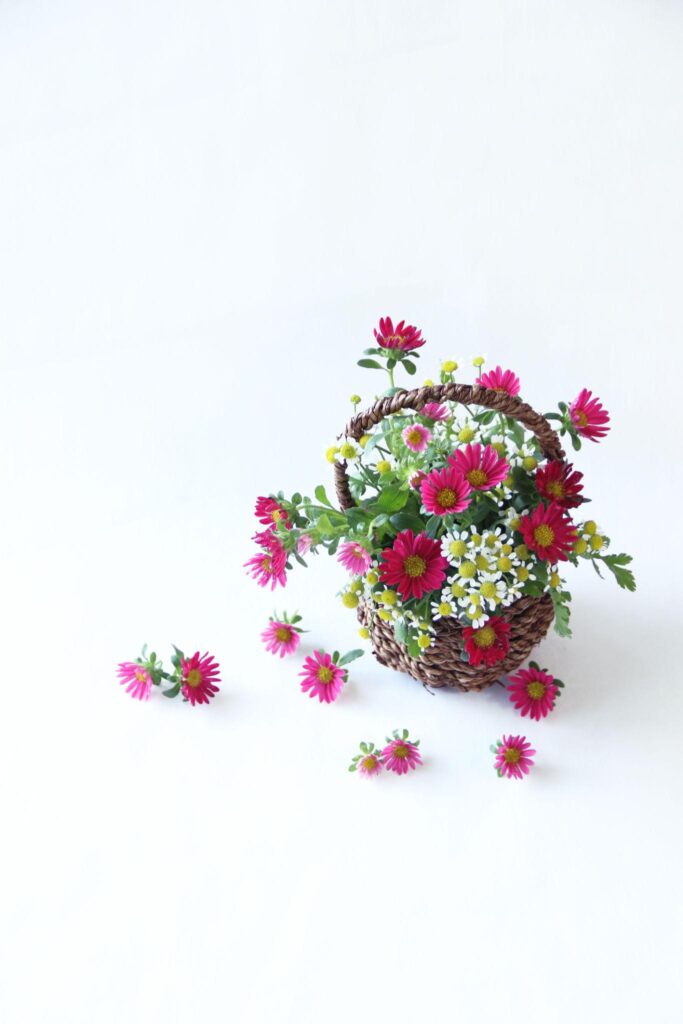
China aster is an upright annual herb that forms a bushy plant with branching stems and soft green leaves. The leaves are slightly toothed and arranged alternately along the stem.
The flowers are large and showy, with multiple rows of petals surrounding a central disc. Depending on the variety, blooms may be single, semi-double, or fully double. Colors include white, pink, red, purple, blue, lavender, and bi-color combinations.
Because of its chrysanthemum-like flowers and strong upright stems, China aster is easily recognized in ornamental gardens. Plants usually grow between 30–70 cm tall depending on the variety.
Climate and Soil Requirement
China aster prefers cool to moderately warm weather and grows best in temperatures between 15–25°C. It performs very well in Nepal during winter and spring when the climate remains mild.
Choose a sunny location with good air circulation. Soil should be fertile, loose, and well drained. Mixing compost or well-rotted manure before planting improves growth and flowering performance.
China aster prefers moderate fertility rather than overly rich soil. Good drainage is essential because waterlogging can damage roots and reduce plant health.
Propagation and Planting Method
China aster is commonly grown from seed and is usually raised in nursery beds or trays before transplanting.
Sow seeds lightly on moist soil and cover with a thin layer of fine compost. Germination usually occurs within 6–10 days in suitable conditions. Seedlings are ready for transplanting after about three to four weeks when they develop several true leaves.
Spacing of about 30–40 cm between plants is ideal for good airflow and flower development. Planting is usually done in early winter so that flowering continues into spring.
Direct sowing is possible in mild climates, but nursery raising ensures better plant quality and uniform spacing.
Care and Maintenance
China aster requires moderate care but produces excellent results when managed properly.
Water plants regularly to keep the soil slightly moist. Overwatering should be avoided because excess moisture may lead to root diseases.
Applying compost before planting usually provides sufficient nutrients. A balanced fertilizer once or twice during growth may improve flower size and stem strength, especially for cut-flower varieties.
Staking taller varieties helps keep stems straight and prevents lodging. Removing weak or diseased shoots improves plant health and flowering performance.
Weeding during early stages ensures plants receive enough nutrients and sunlight. Once established, the branching canopy helps reduce weed growth.
Pest and Disease Management
China aster may occasionally face pest and disease problems, especially in humid conditions.
Aphids may attack tender shoots and buds, reducing growth and flower quality. Thrips may damage petals and cause discoloration.
Neem oil spray works well as an organic preventive treatment when applied regularly. Removing infected plant parts early also helps reduce pest spread.
Fungal diseases such as wilt, leaf spots, or root rot may occur in poorly drained or overcrowded beds. Ensuring good spacing, sunlight, and moderate watering usually prevents these problems.
Healthy plants grown in airy conditions generally remain productive throughout the season.
Flowering and Garden Uses
China aster usually begins flowering about 70–80 days after planting and continues blooming for several weeks. With proper care, the plant produces large flowers suitable for both garden display and cutting.
In home gardening, China aster is widely used for:
Seasonal bedding displays
Cut flowers for bouquets and arrangements
Mixed ornamental borders
Container gardening for medium varieties
Decorative planting in parks and public gardens
Because of its large blooms and wide color range, China aster is especially effective for creating vibrant spring garden displays.