

Introduction
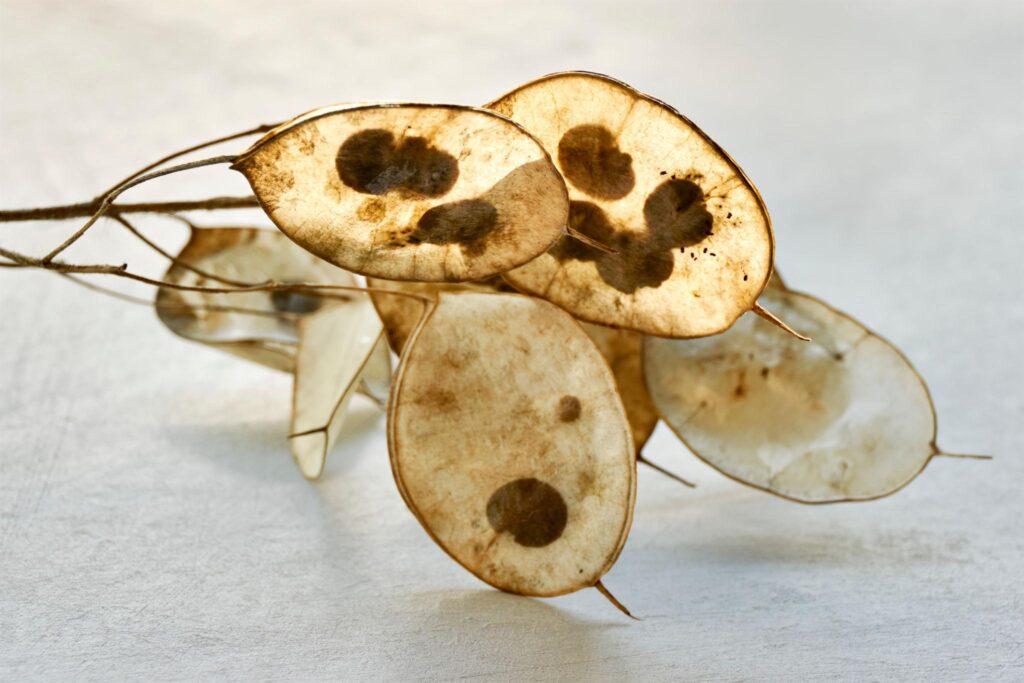
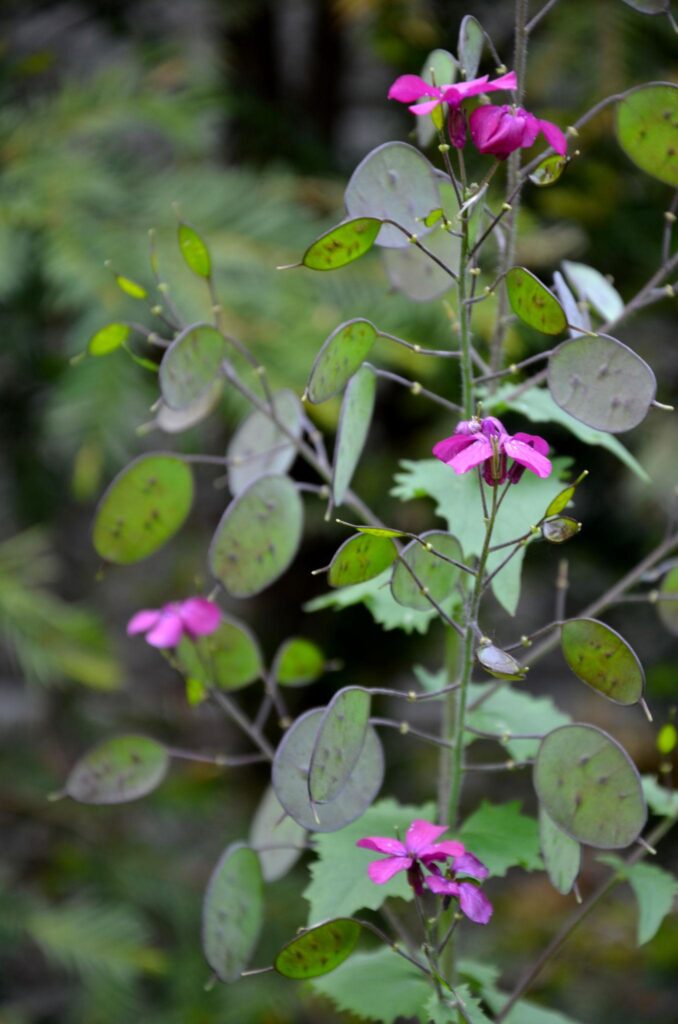
Lunaria is a distinctive biennial ornamental plant widely grown in gardens for its delicate spring flowers and its famous translucent seed pods. It is especially valued because it provides decorative value in multiple stages of growth, from flowering to seed formation. The silvery seed discs that appear after flowering are highly prized for dried floral arrangements and long-lasting garden interest.
Native to southern Europe and western Asia, lunaria adapts well to temperate climates and grows successfully in many regions of Nepal during winter and spring. Gardeners appreciate it because it grows easily from seed, requires little maintenance, and often self-seeds naturally once established.
Its combination of gentle flowers, decorative seed pods, and suitability for both fresh and dried ornamentation makes lunaria one of the most interesting biennial plants for seasonal landscaping.
Scientific Classification
Kingdom: Plantae
Division: Magnoliophyta
Class: Magnoliopsida
Order: Brassicales
Family: Brassicaceae
Genus: Lunaria
Species: Lunaria annua
Common name: Lunaria, honesty plant, silver dollar plant
Native origin: Southern Europe and western Asia
Garden varieties include purple-flowering forms as well as white varieties, both valued for ornamental display and seed pod production.
Identification of Plant
Lunaria is a biennial herb that forms a leafy rosette in the first year and produces upright flowering stems in the second year. Plants usually grow between 60–90 cm tall when mature.
Leaves are broad, heart-shaped, and slightly toothed, forming a dense base during the vegetative stage. In the flowering stage, branching stems rise carrying clusters of four-petaled flowers.
The blooms are typically purple, lavender, or white and appear in loose clusters. After flowering, the plant develops round, flat seed pods that gradually turn silvery and translucent. These decorative seed discs remain attractive for months and are often used in dried arrangements.
Because of its heart-shaped leaves, clustered blooms, and unique seed pods, lunaria is easily recognized in ornamental gardens.
Climate and Soil Requirement
Lunaria prefers cool to moderately warm conditions and grows best in temperatures between 10–24°C. It performs well in Nepal during winter and early spring, particularly in areas with mild sunlight.
The plant grows best in full sun to partial shade. In warmer regions, light shade helps maintain foliage freshness and prolong flowering.
Soil should be fertile, loose, and well drained. Mixing compost or organic manure before planting improves soil structure and supports strong flowering and seed development.
Lunaria prefers slightly moist soil conditions but does not tolerate standing water. Moderate fertility is ideal, as excessive fertilizer may encourage leafy growth rather than flowering.
Propagation and Planting Method
Lunaria is commonly grown from seed and frequently self-seeds once established.
Seeds should be sown about 1–1.5 cm deep in prepared soil and kept moist until germination. Seedlings usually appear within 7–14 days in cool conditions.
Spacing of about 30–40 cm between plants allows proper airflow and good development of flowering stems and seed pods.
Planting is usually done in early winter so that plants establish properly before flowering in spring.
In suitable conditions, lunaria often continues appearing naturally each year from self-sown seed.
Care and Maintenance
Lunaria requires minimal care once established.
Water plants moderately, keeping the soil slightly moist but not soggy. Consistent moisture helps maintain healthy foliage and strong seed formation.
Applying compost before planting usually provides sufficient nutrients. Additional fertilizer is rarely necessary unless soil fertility is extremely poor.
If the plant is grown for decorative seed pods, allow flowers to mature naturally and avoid removing spent blooms. After seed collection, old stems may be removed to maintain garden neatness.
Weeding during early stages ensures plants establish properly and receive adequate sunlight and nutrients.
Pest and Disease Management
Lunaria is generally hardy but may occasionally face minor pest problems.
Aphids may attack young shoots, while flea beetles may chew small holes in leaves. Neem oil spray works well as a preventive organic treatment.
Fungal diseases such as leaf spots or root rot may occur in poorly drained or overcrowded beds. Proper spacing, sunlight, and moderate watering usually prevent these issues.
Healthy plants grown in airy conditions remain productive and attractive.
Flowering and Garden Uses
Lunaria usually flowers in its second year, producing clusters of blooms from late winter into spring. After flowering, the decorative seed pods develop and remain attractive into summer and autumn.
In home gardening, lunaria is widely used for:
Cottage-style garden planting
Woodland and shaded borders
Dried flower arrangements
Natural ornamental beds
Seasonal decorative landscaping
Because of its flowers and long-lasting seed discs, lunaria is especially useful for both fresh garden beauty and dried ornamental use.