

Introduction
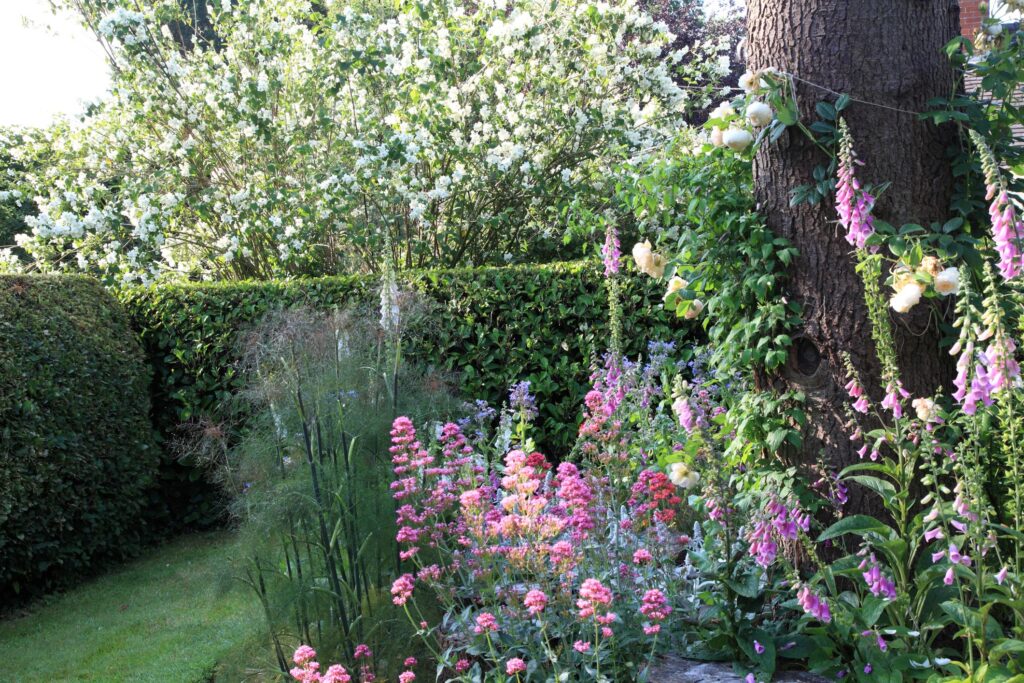
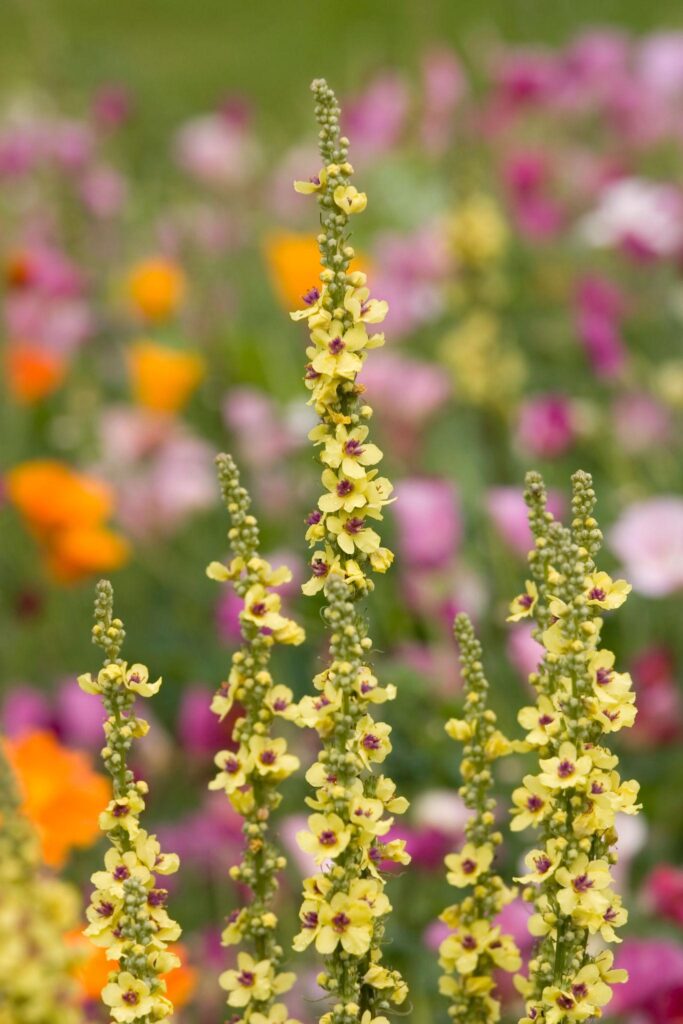
Verbascum is a striking ornamental biennial or short-lived perennial plant widely grown for its tall flower spikes and soft-textured foliage. It is especially valued for its ability to create strong vertical interest in ornamental beds and natural landscapes. Because of its towering stems and long-lasting blooms, verbascum is often planted in cottage gardens, dry borders, and wildlife-friendly planting schemes.
Native to Europe and western Asia, verbascum adapts well to temperate climates and grows successfully in many parts of Nepal, particularly in winter, spring, and early summer. Gardeners appreciate it because it grows easily from seed, tolerates poor soils, and requires minimal maintenance once established.
Its combination of architectural height, drought tolerance, and pollinator-friendly flowers makes verbascum one of the most useful biennial ornamentals for both decorative and ecological garden design.
Scientific Classification
Kingdom: Plantae
Division: Magnoliophyta
Class: Magnoliopsida
Order: Lamiales
Family: Scrophulariaceae
Genus: Verbascum
Common ornamental species: Verbascum thapsus and garden hybrids
Common name: Verbascum, mullein (ornamental forms)
Native origin: Europe and western Asia
Garden varieties include yellow-flowering species as well as ornamental hybrids in shades of white, pink, peach, and purple.
Identification of Plant
Verbascum is a biennial herb that forms a large rosette of leaves in the first year and produces tall flowering spikes in the second year. Plants may grow between 1–2 meters tall depending on the species and growing conditions.
Leaves are large, oval, and covered with soft hairs, giving them a silvery-green appearance. The basal rosette is dense and spreads wide across the ground during the vegetative stage.
In the flowering stage, a tall central spike develops bearing numerous small flowers arranged along the stem. The blooms are usually yellow in wild types, while ornamental hybrids may show pastel tones.
Because of its tall central stem, woolly leaves, and densely packed flower spikes, verbascum is easy to recognize in ornamental landscapes.
Climate and Soil Requirement
Verbascum prefers cool to moderately warm conditions and grows best in temperatures between 12–28°C. It performs well in Nepal during winter and spring in sunny open locations.
The plant requires full sunlight for best flowering and stem strength. Soil should be well drained and moderately fertile. One of its advantages is its ability to grow in poor, sandy, or rocky soils.
Verbascum prefers relatively dry soil conditions once established. Excess moisture or heavy clay soil may damage roots and reduce plant vigor.
Moderate fertility works best, as overly rich soil may produce lush leaves but weaker stems.
Propagation and Planting Method
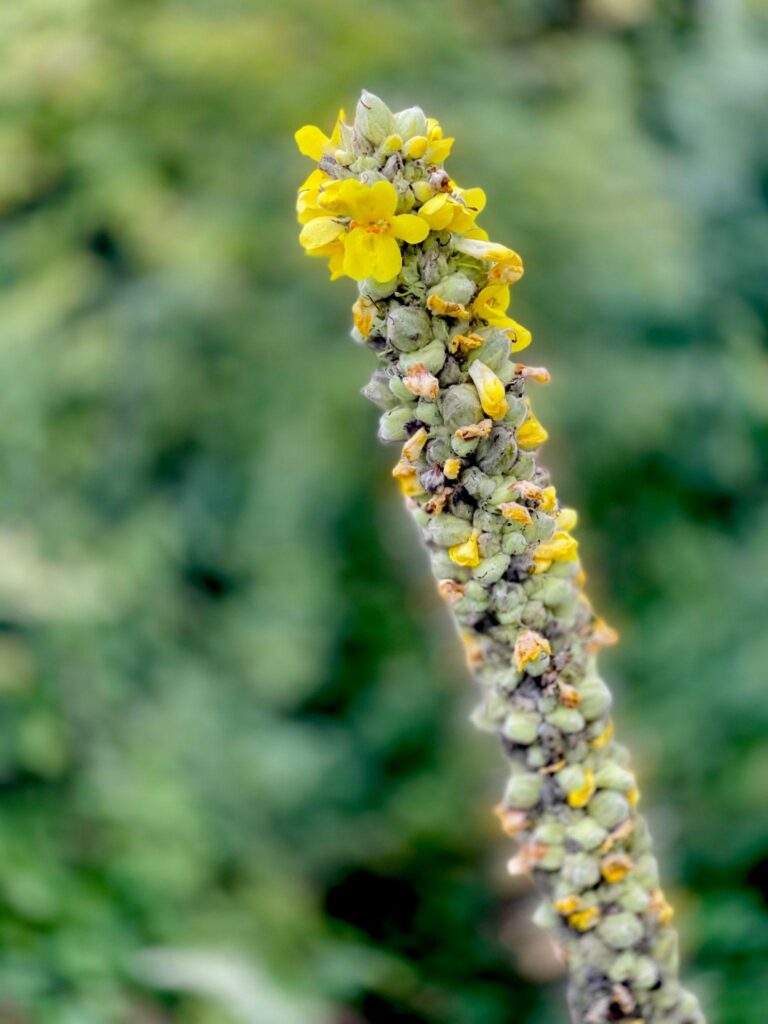
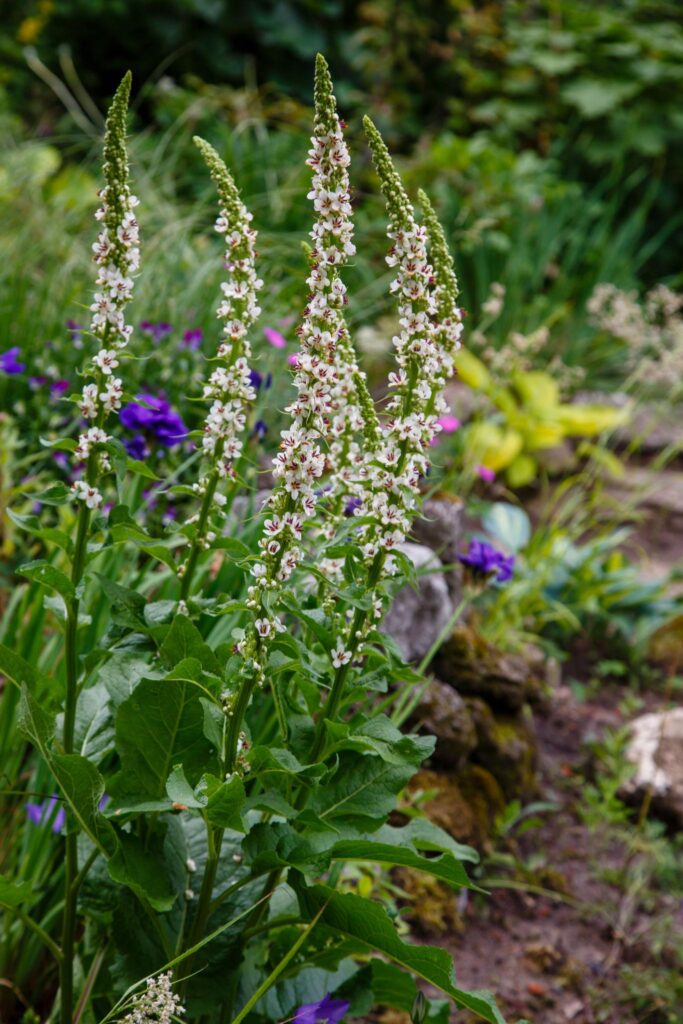
Verbascum is commonly grown from seed and is usually sown directly in garden beds.
Seeds should be scattered lightly on prepared soil and pressed gently without deep covering. Germination usually occurs within 10–15 days in suitable conditions.
Spacing of about 45–60 cm between plants is recommended because verbascum forms a large rosette and tall flowering spike.
Planting is usually done in early winter or spring so that plants establish before flowering in the following season.
In favorable conditions, verbascum may self-seed and continue growing naturally in the garden.
Care and Maintenance
Verbascum requires very little care once established.
Water plants moderately during early growth to help establish strong roots. After establishment, the plant tolerates dry conditions and rarely needs frequent irrigation.
Applying compost before planting usually provides sufficient nutrients. Additional fertilizer is rarely necessary unless soil fertility is extremely poor.
Tall flowering stems may require support in windy areas. Removing old flower spikes after blooming helps maintain plant appearance and may reduce excessive self-seeding.
Weeding during early growth stages ensures plants establish properly and receive sufficient sunlight and nutrients.
Pest and Disease Management
Verbascum is generally resistant to pests and diseases, especially in dry sunny conditions.
Aphids may occasionally attack flower stems, though infestations are usually minor. Neem oil spray works well as a preventive organic treatment.
Fungal diseases such as root rot may occur in poorly drained soil. Proper drainage and moderate watering usually prevent these issues.
Healthy plants grown in sunny, airy locations rarely face serious problems.
Flowering and Garden Uses
Verbascum usually flowers in its second year, producing tall spikes that bloom from late spring into early summer.
In home gardening, verbascum is widely used for:
Background planting in borders
Wildflower and natural-style gardens
Cottage garden layouts
Pollinator-friendly planting schemes
Vertical accents in ornamental beds
Because of its tall spikes and architectural form, verbascum is especially useful for adding height and structure to garden compositions.