
Introduction
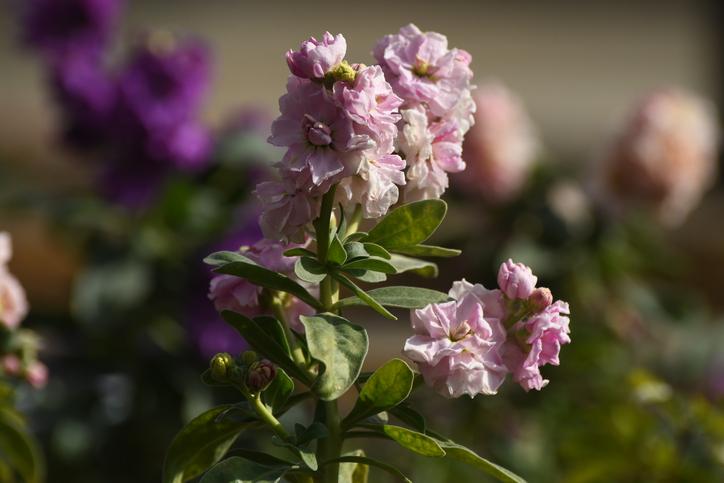
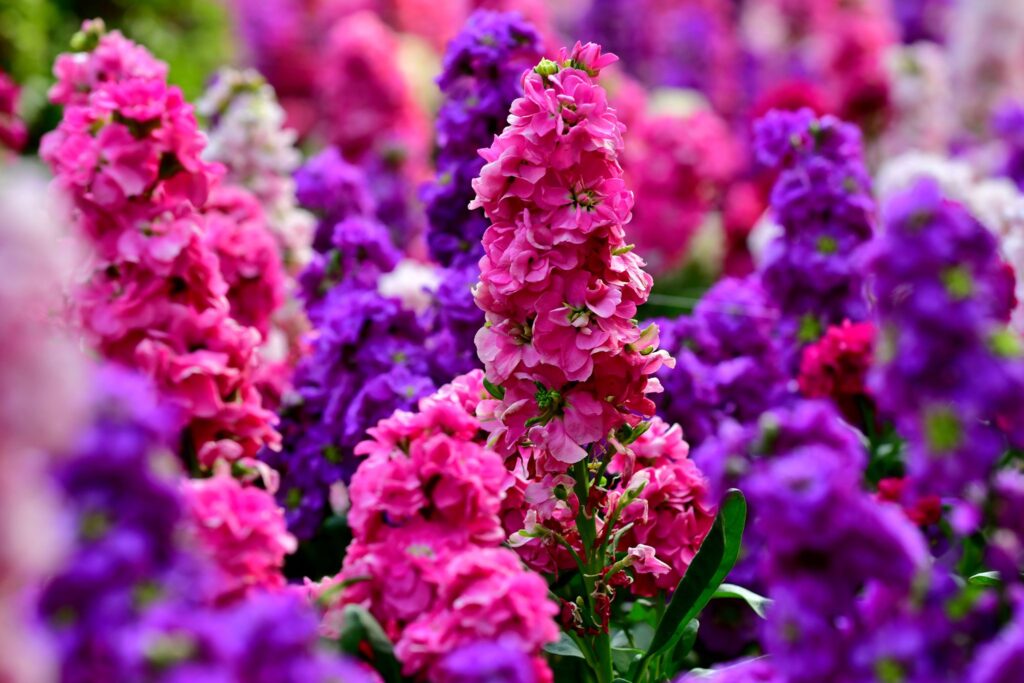
Stock flower is a fragrant and elegant ornamental plant widely grown in gardens for its dense flower spikes and pleasant scent. It is especially valued for producing blooms in cool seasons, making it an important choice for winter and early spring displays. Because of its upright growth and soft pastel colors, stock flower is commonly planted in seasonal beds, borders, and containers.
Native to the Mediterranean region, stock flower adapts well to temperate climates and grows successfully in many parts of Nepal during winter and spring. Gardeners appreciate it because it grows easily from seed, produces flowers in a relatively short time, and is highly valued for both ornamental display and cut flower use.
Its combination of fragrance, soft colors, and structured flower spikes makes stock flower one of the most reliable biennial or cool-season ornamental plants for decorative cultivation.
Scientific Classification
Kingdom: Plantae
Division: Magnoliophyta
Class: Magnoliopsida
Order: Brassicales
Family: Brassicaceae
Genus: Matthiola
Species: Matthiola incana
Common name: Stock flower, garden stock
Native origin: Mediterranean region
Garden varieties include dwarf bedding types, intermediate border varieties, and tall cut-flower types in shades of white, pink, purple, lavender, red, and cream.
Identification of Plant
Stock flower is an upright biennial or cool-season annual herb that usually grows between 30–75 cm tall depending on the variety. The plant develops straight stems with grey-green narrow leaves arranged along the stem.
The flowers appear in dense spikes at the top of the plant. Individual blooms are four-petaled and often double in cultivated varieties, giving the spike a full and lush appearance.
The plant is especially recognized for its strong sweet fragrance, which becomes more noticeable in cool weather. Because of its upright spikes, greyish foliage, and scented clustered flowers, stock is easily identified in ornamental gardens.
Climate and Soil Requirement
Stock flower prefers cool to moderately warm conditions and grows best in temperatures between 10–22°C. It performs very well in Nepal during winter and early spring.
The plant requires full sunlight for best flowering but can tolerate light partial shade. Soil should be fertile, loose, and well drained. Mixing compost or organic manure before planting improves soil structure and supports strong flower spikes.
Stock prefers moderate fertility rather than excessively rich soil. Slightly moist soil conditions are ideal, but waterlogging should be avoided as it may cause root problems.
Propagation and Planting Method
Stock flower is commonly grown from seed and is usually raised in nursery trays before transplanting.
Seeds should be sown lightly on moist soil and covered with a thin layer of fine compost. Germination usually occurs within 7–10 days in cool conditions. Seedlings are ready for transplanting after about four weeks.
Spacing of about 25–30 cm between plants allows good airflow and proper development of flower spikes.
Planting is usually done in early winter so that plants establish well before flowering in spring.
In favorable conditions, stock may self-seed lightly, though most gardeners prefer controlled sowing for uniform displays.
Care and Maintenance
Stock flower requires moderate care but produces excellent results when managed properly.
Water plants regularly but moderately, keeping the soil slightly moist without becoming soggy. Consistent moisture helps support healthy foliage and strong flower development.
Applying compost before planting usually provides sufficient nutrients. A balanced fertilizer during early growth may improve flower size and spike density.
Tall varieties may require light staking in windy areas. Removing faded spikes helps maintain plant appearance and may encourage side flowering shoots.
Weeding during early growth stages ensures plants establish properly and receive adequate nutrients and sunlight.
Pest and Disease Management
Stock flower is generally hardy but may occasionally face pest or disease issues.
Aphids may attack young shoots and buds, reducing plant vigor. Flea beetles may chew small holes in leaves.
Neem oil spray works well as an organic preventive treatment. Removing infested parts early also helps reduce pest spread.
Fungal diseases such as downy mildew or root rot may occur in poorly drained or overcrowded beds. Proper spacing, sunlight, and moderate watering usually prevent these problems.
Healthy plants grown in cool, airy conditions remain productive and attractive.
Flowering and Garden Uses
Stock flower usually blooms in late winter and early spring, producing upright spikes of fragrant flowers that last for several weeks.
In home gardening, stock is widely used for:
Seasonal bedding displays
Fragrant garden planting
Cut flowers for bouquets
Cottage-style ornamental layouts
Container and terrace gardening
Because of its scent and elegant flower spikes, stock flower is especially useful for creating refined cool-season garden displays.