

Introduction
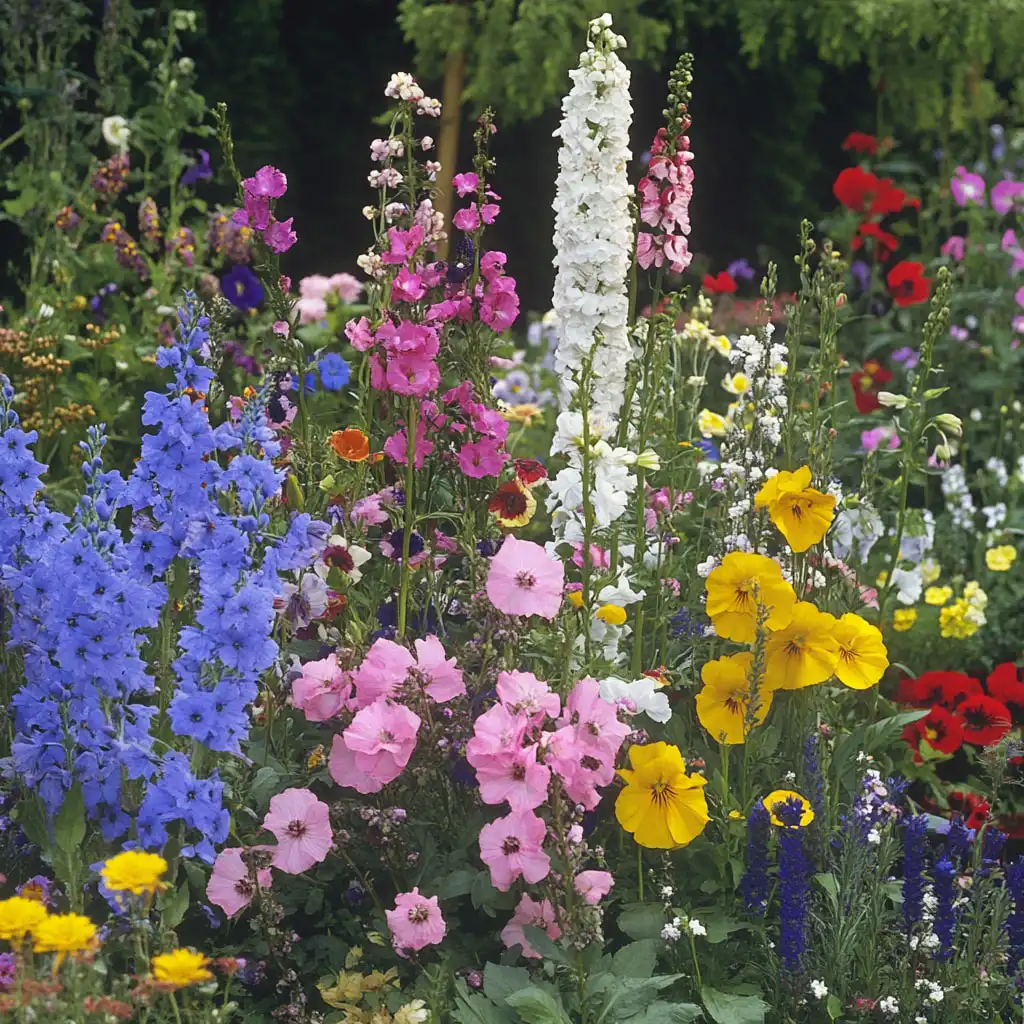
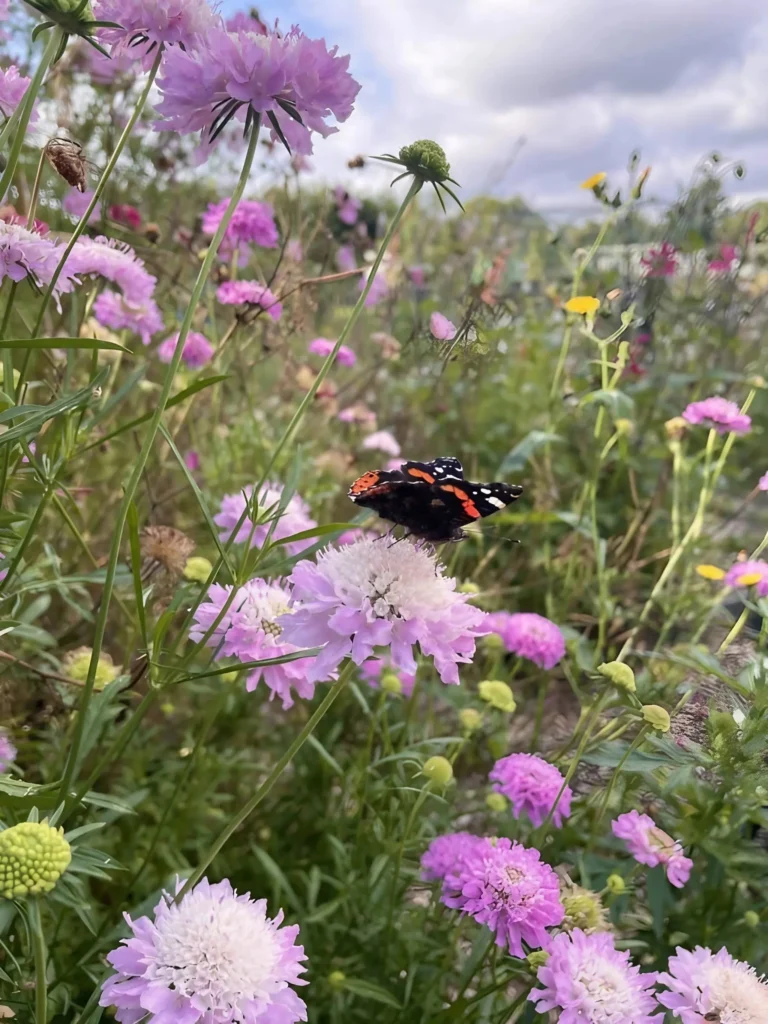
Designing a garden with biennial plants is one of the best ways to achieve seasonal continuity, layered flowering, and a natural cottage-style appearance. Biennials grow foliage in the first year and flower in the second, which makes them ideal for planning long-term garden structure and bloom succession. When different biennial species are combined thoughtfully, they create a balanced mix of height, color, texture, and flowering time.
Biennial mixes are widely used in cottage gardens, pollinator-friendly landscapes, public parks, and home ornamental beds. In Nepal, these mixes perform especially well when planted during the cool season, allowing plants to establish before producing flowers in spring.
A well-designed biennial mix not only improves visual appeal but also supports biodiversity, attracts pollinators, and ensures the garden looks lively across seasons.
Key Principles of Biennial Mix Design
A successful biennial mix depends on selecting plants with complementary growth habits, flowering times, and colors. The goal is to create a natural but structured composition rather than a random collection of species.
Height variation is one of the most important design elements. Tall plants such as Digitalis purpurea, Verbascum species, or Campanula medium should be placed at the back of beds or as focal points. Medium-height plants such as Dianthus barbatus or Hesperis matronalis work well in the middle layer. Low-growing plants such as Myosotis sylvatica or edging varieties help create a soft front border.
Color harmony also plays a key role. Soft pastel combinations such as pink, lavender, and white create a calm cottage-garden feel, while bright contrasts such as yellow with purple or blue with white produce stronger visual impact.
Climate and Site Planning
When designing a biennial mix, it is important to choose plants that suit the local climate and planting season.
In Nepal, biennial mixes grow best when sown in early winter. This allows plants to establish strong roots before flowering in late winter or spring. Most biennials prefer cool temperatures during early growth and moderate warmth during flowering.
Full sun locations generally produce the best results, though some species such as Digitalis and Hesperis tolerate partial shade. Soil should be fertile, loose, and well drained. Adding compost before planting improves soil structure and supports healthy plant development.
Proper site preparation ensures that different species grow evenly and flower together harmoniously.
Plant Combination Ideas
Several combinations work particularly well for biennial garden mixes.
A cottage-style mix may include tall Digitalis purpurea at the back, medium-height Campanula medium and Dianthus barbatus in the middle, and low-growing Myosotis sylvatica along the front edge. This creates a layered effect with continuous flowering and varied textures.
A pollinator-friendly mix may combine Hesperis matronalis, Verbascum species, Centaurea types, and Oenothera biennis. These plants provide nectar and pollen for bees, butterflies, and beneficial insects while maintaining strong visual appeal.
For a pastel-themed garden, soft pink Dianthus, white Campanula, lavender Hesperis, and blue Myosotis can be arranged to create a calm, elegant display.
Bold color mixes may include yellow Verbascum, purple Digitalis, blue Centaurea, and white Matthiola for strong visual contrast.
Spacing and Layout Planning
Proper spacing is essential to ensure that plants develop fully and do not compete excessively.
Tall species usually require spacing of about 40–60 cm, medium plants about 30–40 cm, and low-growing types about 20–25 cm. Arranging plants in irregular clusters rather than straight lines creates a more natural appearance.
Using curved bed shapes or informal planting patterns enhances the cottage-garden effect. Repeating certain plants in multiple spots helps unify the design and prevents the layout from looking random.
Leaving small open spaces between clusters allows airflow and helps reduce disease risk.
Maintenance Considerations
Biennial mixes are relatively easy to maintain but benefit from a few basic practices.
Watering should be moderate and consistent during early growth. Compost application before planting usually provides sufficient nutrients. Removing weeds early helps plants establish strong roots.
Deadheading some species may prolong flowering, while allowing others to set seed helps maintain the mix naturally in future seasons. Many biennials self-seed, creating a continuous garden cycle with minimal replanting.
Supporting tall plants with light stakes may be useful in windy areas.
Garden Uses of Biennial Mixes
Biennial mixes are widely used in many types of landscape designs.
They are ideal for cottage gardens where layered flowering and soft textures are desired. They also work well in pollinator gardens because many biennials attract bees and butterflies.
Public parks often use biennial mixes for seasonal displays due to their reliability and visual appeal. In home gardens, they are useful for creating colorful borders, terrace beds, and mixed ornamental plantings.
Because of their natural growth habit and long flowering season, biennial mixes are excellent for creating gardens that feel lively and continuously changing.