

Introduction
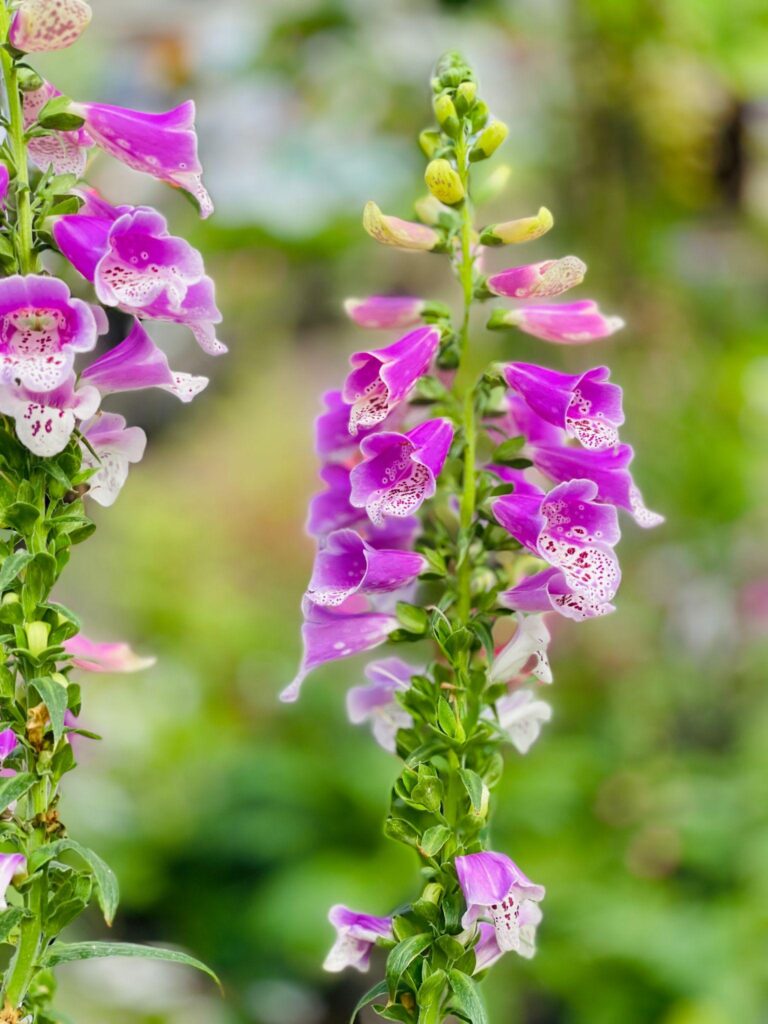
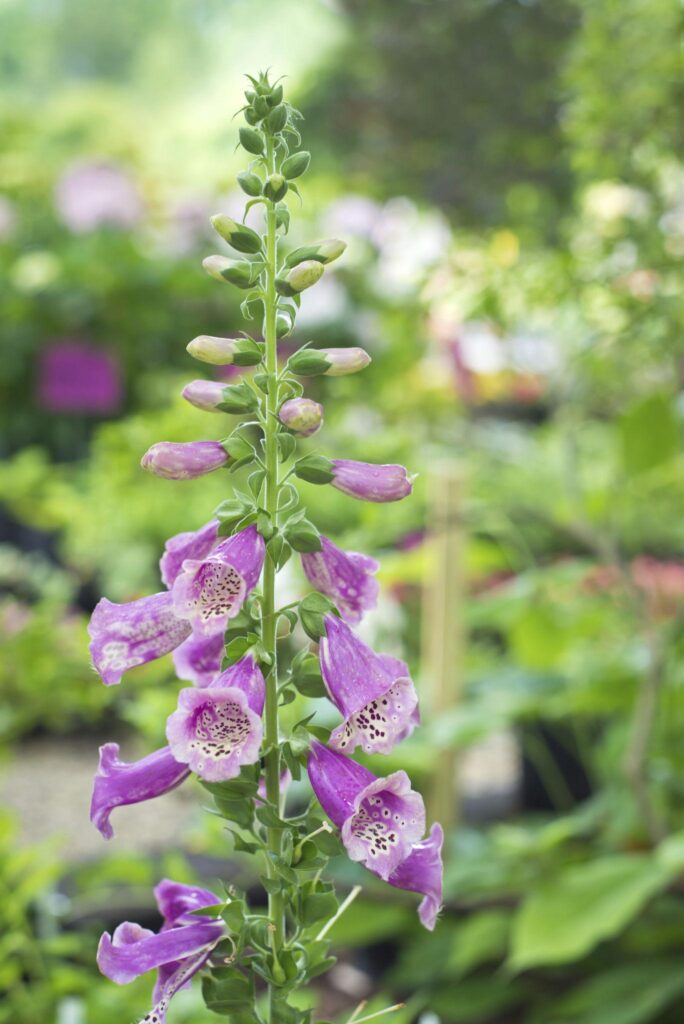
Digitalis, commonly known as foxglove, is one of the most striking ornamental flowering plants grown in gardens for its tall spires of tubular blooms. Hybrid Digitalis varieties are especially valued because they combine the beauty of wild foxgloves with improved flower size, color diversity, and garden performance. These hybrids are often grown as biennials or short-lived perennials and are widely used in cottage gardens, woodland borders, and mixed ornamental beds.
Native to Europe and western Asia, Digitalis species adapt well to temperate climates and grow successfully in many parts of Nepal, particularly during winter establishment followed by flowering in spring and early summer. Gardeners appreciate Digitalis hybrids because they grow easily from seed, tolerate partial shade, and provide strong vertical interest in garden design.
Their combination of elegant flower spikes, soft foliage, and suitability for both formal and natural planting makes Digitalis hybrids one of the most popular ornamental plants for seasonal cultivation.
Scientific Classification
Kingdom: Plantae
Division: Magnoliophyta
Class: Magnoliopsida
Order: Lamiales
Family: Plantaginaceae
Genus: Digitalis
Common hybrid groups: Digitalis purpurea hybrids and garden selections
Common name: Foxglove, Digitalis
Native origin: Europe and western Asia
Hybrid varieties include shades of purple, pink, cream, yellow, white, and speckled combinations, many bred for improved garden performance.
Identification of Plant
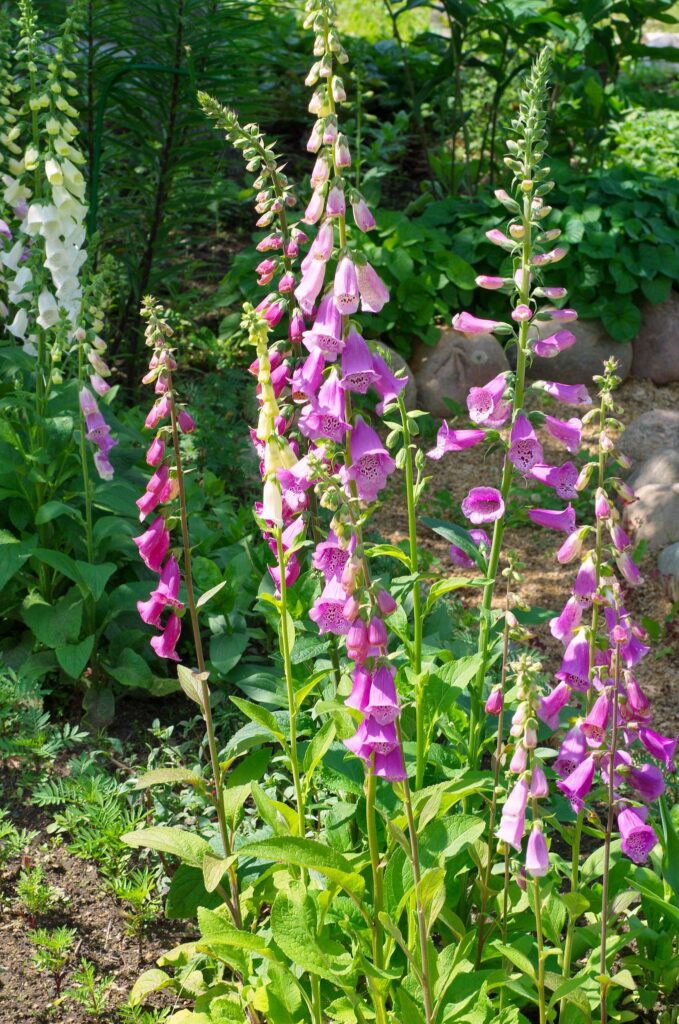
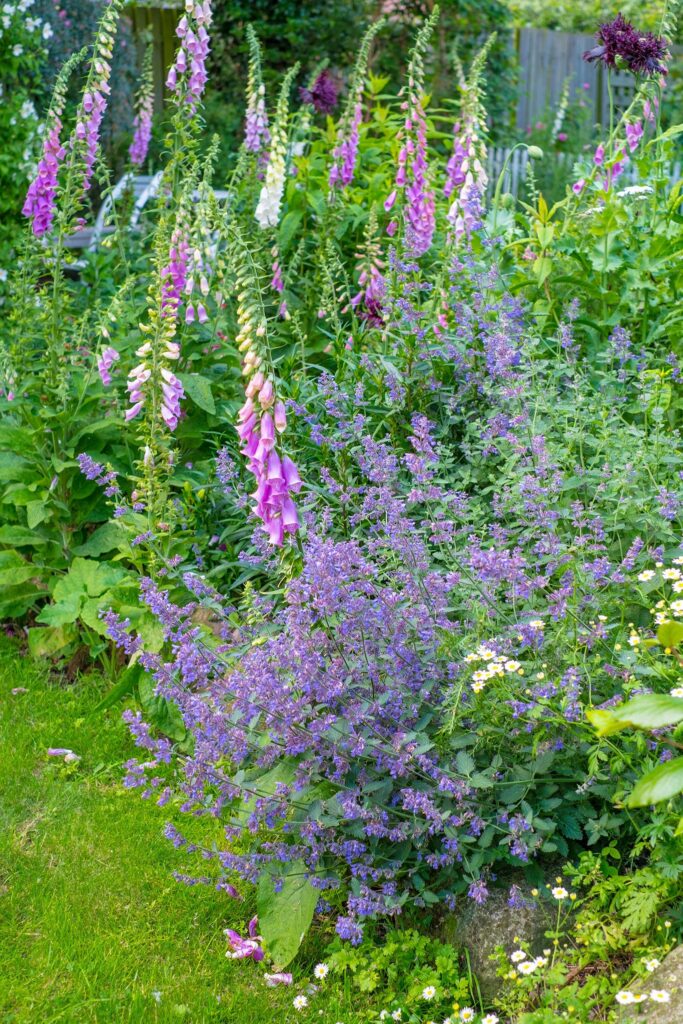
Digitalis hybrids are upright biennial herbs that form a basal rosette in the first year and produce tall flowering spikes in the second year. Plants usually grow between 80–150 cm tall depending on variety.
Leaves are large, soft, and slightly textured, forming a dense base. In the flowering stage, strong vertical stems arise carrying numerous tubular flowers arranged along the spike.
The blooms are bell-shaped and often show speckled patterns inside the throat. Colors vary widely from deep purple and rose to pale cream and soft yellow.
Because of their tall spires, large leaves, and tubular flowers, Digitalis hybrids are easy to recognize in ornamental plantings.
Climate and Soil Requirement
Digitalis prefers cool to moderately warm conditions and grows best in temperatures between 10–25°C. It performs well in Nepal during winter establishment followed by flowering in spring.
The plant grows best in full sun to partial shade. In warmer regions, partial shade helps maintain foliage health and prolong flowering.
Soil should be fertile, loose, and well drained. Mixing compost or organic manure before planting improves soil structure and supports strong flowering spikes.
Digitalis prefers slightly moist soil but does not tolerate standing water. Moderate fertility works best, as excessive nitrogen may produce foliage at the expense of flowers.
Propagation and Planting Method
Digitalis hybrids are commonly grown from seed and are usually raised in nursery trays before transplanting.
Seeds should be sown lightly on moist soil without deep covering, as they require light for germination. Germination usually occurs within 10–15 days in suitable conditions.
Seedlings are ready for transplanting after about four weeks. Spacing of about 40–50 cm between plants allows proper airflow and development of tall spikes.
Planting is usually done in early winter so that plants establish before flowering in spring.
Some varieties may self-seed lightly in favorable conditions.
Care and Maintenance
Digitalis hybrids require moderate care but reward gardeners with dramatic flowering displays.
Water plants regularly to maintain slightly moist soil, especially during early growth and spike formation. Consistent moisture helps produce strong stems and abundant blooms.
Applying compost before planting usually provides sufficient nutrients. A light balanced fertilizer during early growth may improve flowering.
Removing faded flower spikes may encourage side shoots or additional blooms. Weeding during early growth stages ensures plants establish properly and receive sufficient sunlight.
Because of their height, taller varieties may require staking in windy areas.
Pest and Disease Management
Digitalis is generally hardy but may occasionally face minor pest issues.
Aphids may attack tender shoots, while slugs and snails may damage leaves in moist conditions. Neem oil spray works well as an organic preventive treatment.
Fungal diseases such as leaf spots or root rot may occur in poorly drained or overcrowded beds. Proper spacing, sunlight, and moderate watering usually prevent these problems.
Healthy plants grown in cool, airy conditions remain vigorous and productive.
Flowering and Garden Uses
Digitalis hybrids usually flower in their second year, producing tall colorful spikes from late spring into early summer.
In home gardening, Digitalis is widely used for:
Cottage-style garden planting
Woodland and shaded borders
Vertical focal points in mixed beds
Cut flower arrangements
Pollinator-friendly garden layouts
Because of their height and elegant spikes, Digitalis hybrids are especially useful for creating dramatic garden compositions.