Introduction
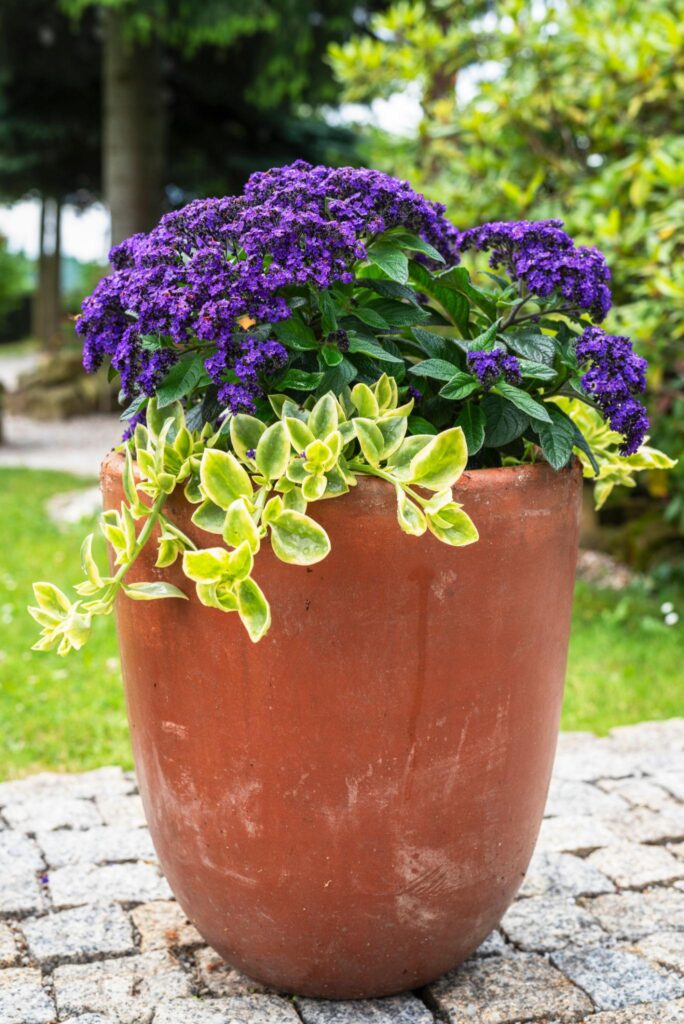
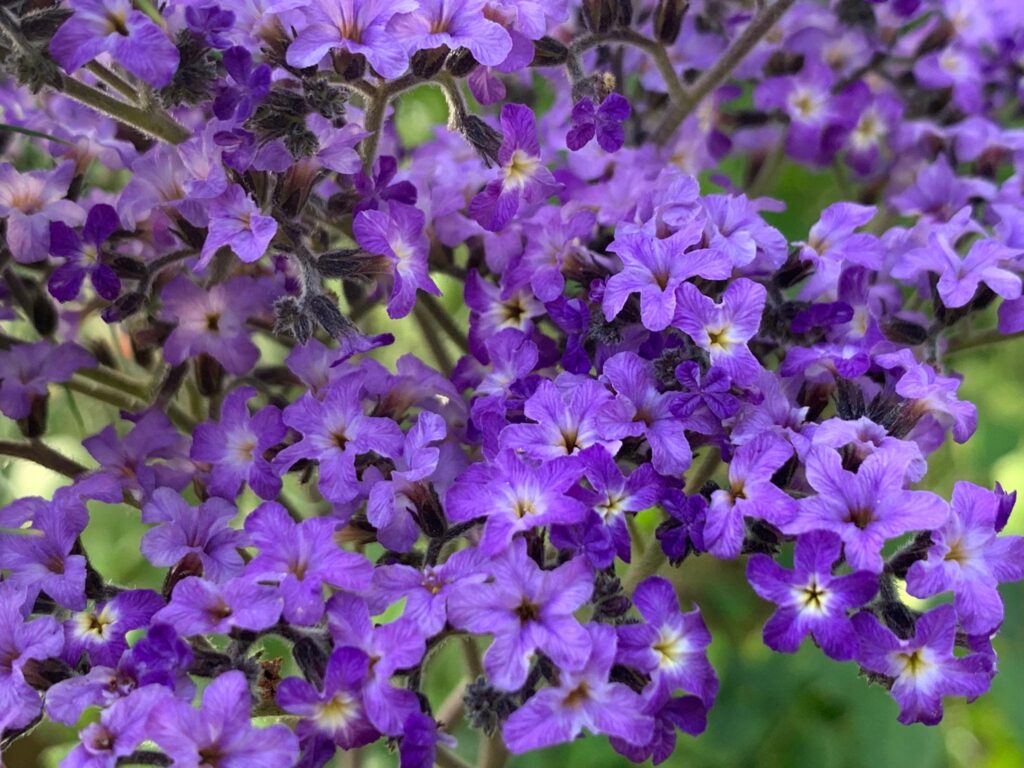
Heliotrope is a beautiful and fragrant flowering plant widely grown in ornamental gardens for its rich clusters of purple, blue, or white blooms. It is especially valued for its pleasant vanilla-like scent, which makes it popular in home gardens, balcony pots, and decorative beds. Because of its bushy growth and continuous flowering habit, heliotrope is often planted near pathways, seating areas, and house entrances where its fragrance can be enjoyed.
Native to South America, heliotrope adapts well to warm climates and grows successfully in Nepal during spring, summer, and early autumn. Gardeners prefer it because it grows well in both beds and containers, produces flowers for a long time, and adds fragrance along with visual beauty to the garden.
Its combination of scented blooms, compact growth, and ornamental value makes heliotrope one of the most attractive annual flowers for decorative gardening.
Scientific Classification
Kingdom: Plantae
Division: Magnoliophyta
Class: Magnoliopsida
Order: Boraginales
Family: Heliotropiaceae
Genus: Heliotropium
Species: Heliotropium arborescens
Common name: Heliotrope
Native origin: South America
Garden varieties include compact pot types and medium-height bedding selections grown for their fragrance and dense flower clusters.
Identification of Plant
Heliotrope is a bushy annual or short-lived perennial often grown as an annual in seasonal gardens. The plant usually grows between 30–50 cm tall and develops branching stems that form a rounded structure.
Leaves are oval, slightly wrinkled, and deep green in color, giving the plant an attractive texture even before flowering. The flowers appear in dense clusters at the tips of stems. Each cluster contains many small star-shaped blooms that form a rounded head.
Common flower colors include deep purple, violet-blue, lavender, and white. Because of its fragrant clusters and soft textured foliage, heliotrope is easily recognized in ornamental gardens.
Climate and Soil Requirement
Heliotrope prefers warm and sunny to partially shaded conditions and grows best in temperatures between 18–30°C. It performs well in Nepal during spring and summer, especially in areas with good sunlight and moderate humidity.
Choose a location receiving full morning sun and light afternoon shade if temperatures are very high. Soil should be loose, fertile, and well drained. Mixing compost before planting helps support healthy growth and continuous flowering.
Heliotrope prefers moderate soil fertility. Excess nitrogen may produce more leaves with fewer flowers. Proper drainage is essential to prevent root problems.
Propagation and Planting Method
Heliotrope can be grown from seed or from stem cuttings. Seed propagation is common for seasonal planting, while cuttings are often used to maintain specific varieties.
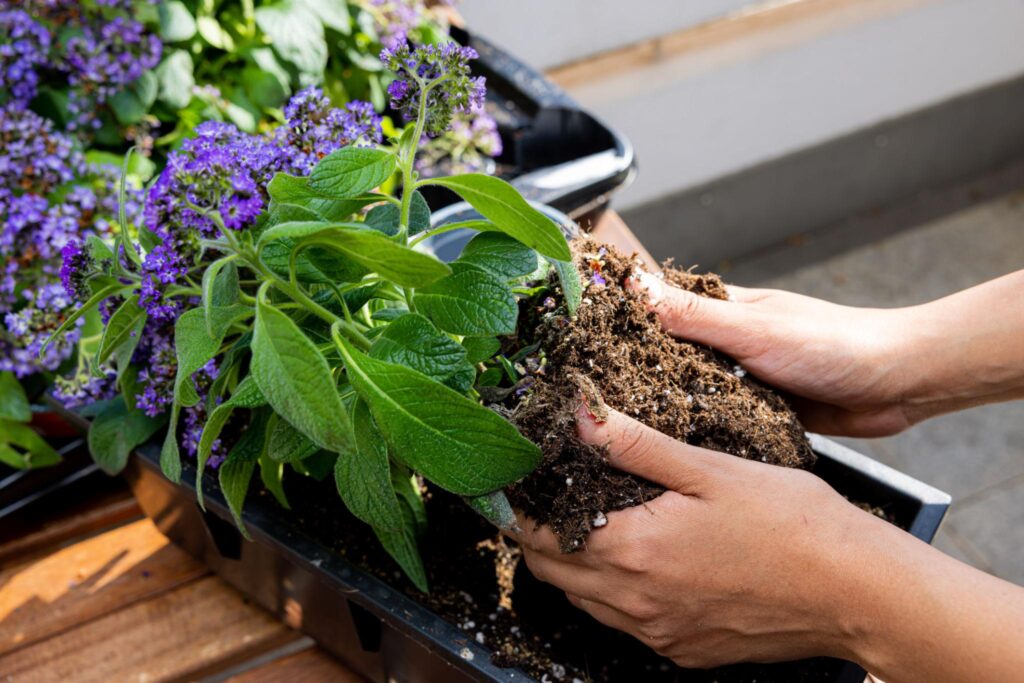
For seed sowing, spread seeds lightly on moist soil and cover with a thin layer of compost. Germination usually occurs within 10–14 days under warm conditions. Seedlings are ready for transplanting after about four weeks.
For cuttings, select healthy non-flowering stems and plant them in moist potting mix. They usually root within two to three weeks.
Maintain spacing of about 25–30 cm between plants in beds. For pot culture, one plant per medium container usually gives the best results.
Care and Maintenance
Heliotrope requires moderate care but rewards gardeners with long-lasting blooms and fragrance.
Water plants regularly, keeping the soil slightly moist but never waterlogged. Consistent moisture helps maintain flowering and prevents leaf drop.
Applying compost before planting usually provides sufficient nutrients. A mild liquid fertilizer every two to three weeks may encourage stronger flowering, especially in containers.
Pinching young plants once encourages branching and produces more flower clusters. Removing faded blooms also helps maintain a neat appearance and prolongs flowering.
Weeding during early growth stages ensures plants establish properly and receive adequate nutrients.
Pest and Disease Management
Heliotrope may occasionally face pest issues, especially in warm and humid conditions.
Aphids and whiteflies may attack tender shoots and buds, reducing plant vigor. Spider mites may appear during dry weather and cause speckled leaves.
Neem oil spray applied weekly works well as an organic preventive treatment. Washing plants with mild soap solution also helps remove sucking insects effectively.
Fungal diseases such as root rot or leaf spots may occur in poorly drained soil or overcrowded beds. Ensuring proper spacing, sunlight, and moderate watering usually prevents such problems.
Healthy plants grown in airy, well-drained locations remain productive for a long time.
Flowering and Garden Uses
Heliotrope usually begins flowering about 70–80 days after planting and continues blooming for several weeks. Its fragrant blooms make it especially suitable for decorative planting near living spaces.
In home gardening, heliotrope is widely used for:
Fragrant container and balcony planting
Mixed seasonal flower beds
Pathway edging near seating areas
Pollinator-friendly garden design
Decorative entrance landscaping
Because of its scent and compact form, heliotrope is especially effective for creating pleasant, inviting garden spaces.