

Introduction
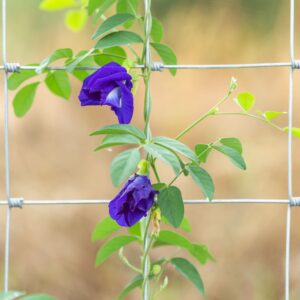
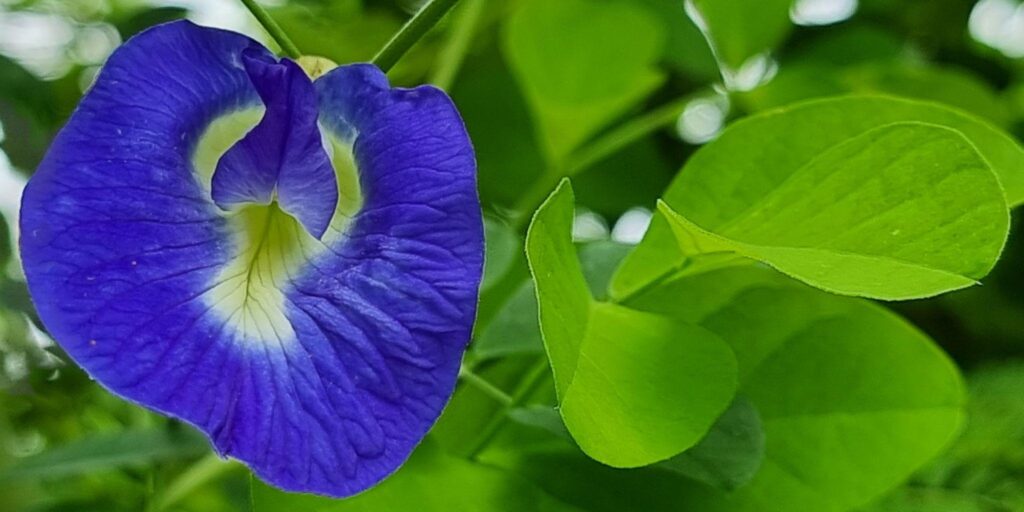
Blue pea, commonly known as butterfly pea, is a beautiful climbing flowering plant valued for its striking deep blue blooms and multiple uses. It is widely grown in home gardens not only as an ornamental climber but also as a medicinal and edible flower plant. Because of its attractive flowers and vigorous growth, blue pea is often planted along fences, trellises, and garden supports.
Native to tropical Asia, blue pea grows very well in Nepal, especially in warm regions during spring, summer, and the rainy season. Gardeners appreciate it because it grows easily from seed, requires minimal care, and flowers repeatedly once established.
Its combination of ornamental beauty, herbal uses, and suitability for vertical gardening makes blue pea one of the most useful flowering climbers for home gardens.
Scientific Classification
Kingdom: Plantae
Division: Magnoliophyta
Class: Magnoliopsida
Order: Fabales
Family: Fabaceae
Genus: Clitoria
Species: Clitoria ternatea
Common name: Blue pea, butterfly pea
Native origin: Tropical Asia
Garden types include single-flowered blue varieties, white forms, and double-flowered ornamental selections.
Identification of Plant
Blue pea is a perennial climber often grown as an annual in seasonal gardens. It produces slender green stems that climb by twining around supports. Leaves are compound, consisting of several oval leaflets arranged along a central stalk.
The flowers are large, butterfly-shaped, and appear singly along the stems. Most common varieties produce deep blue flowers with a lighter center, though white and double-flowered types are also available.
Because of its climbing habit, compound leaves, and distinctive blue flowers, blue pea is easily recognized in ornamental gardens. The plant can grow 1–2 meters tall when provided with proper support.
Climate and Soil Requirement
Blue pea prefers warm and humid conditions and grows best in temperatures between 20–35°C. It performs very well in Nepal during spring, summer, and monsoon seasons.
Choose a location receiving full sunlight or light partial shade. Soil should be loose, fertile, and well drained. Mixing compost before planting improves growth and supports better flowering.
Blue pea tolerates moderately poor soils but performs best when drainage is good. Excess waterlogging should be avoided as it may damage roots.
Propagation and Planting Method
Blue pea is commonly grown from seed and is usually sown directly in the garden near supports.
Before sowing, seeds may be soaked overnight in water to soften the seed coat and improve germination. Sow seeds about 2–3 cm deep in prepared soil and keep the area moist until seedlings emerge, usually within 7–10 days.
Spacing of about 30–40 cm between plants is sufficient. Provide support early in the growth stage so the plant can climb properly.
Blue pea can also be propagated from stem cuttings, though seed sowing is the most common method for home gardeners.
Care and Maintenance
Blue pea is a relatively low-maintenance plant and suitable for gardeners of all experience levels.
Water plants moderately, keeping the soil slightly moist but not soggy. Once established, blue pea tolerates short dry periods but flowers best with consistent moisture.
Applying compost before planting usually provides sufficient nutrients. A light balanced fertilizer once or twice during the growing season may encourage stronger flowering.
Training the vines along a trellis, fence, or net helps maintain a neat appearance and ensures proper growth. Light pruning of old stems may also promote fresh growth and additional flowering.
Weeding during early growth stages ensures plants establish properly and receive sufficient nutrients.
Pest and Disease Management
Blue pea is generally hardy but may occasionally face minor pest issues.
Aphids may attack tender shoots and buds, causing reduced growth. Caterpillars may sometimes chew leaves, though damage is usually limited.
Neem oil spray applied weekly works well as an organic preventive treatment. Removing affected leaves early also helps reduce pest spread.
Fungal diseases such as root rot may occur in poorly drained soil or during prolonged wet conditions. Proper drainage, sunlight, and moderate watering usually prevent such problems.
Healthy plants grown in sunny, airy locations rarely face serious issues.
Flowering and Garden Uses
Blue pea usually begins flowering about 60–70 days after sowing and continues producing blooms for many weeks. In warm climates, flowering may continue for a long period if plants remain healthy.
In home gardening, blue pea is widely used for:
Climbing decoration on fences and trellises
Vertical gardening in small spaces
Edible flower use for herbal tea and natural coloring
Pollinator-friendly garden planting
Traditional medicinal applications
Because of its deep blue flowers and climbing habit, blue pea is especially effective for decorative vertical garden design.