

Introduction
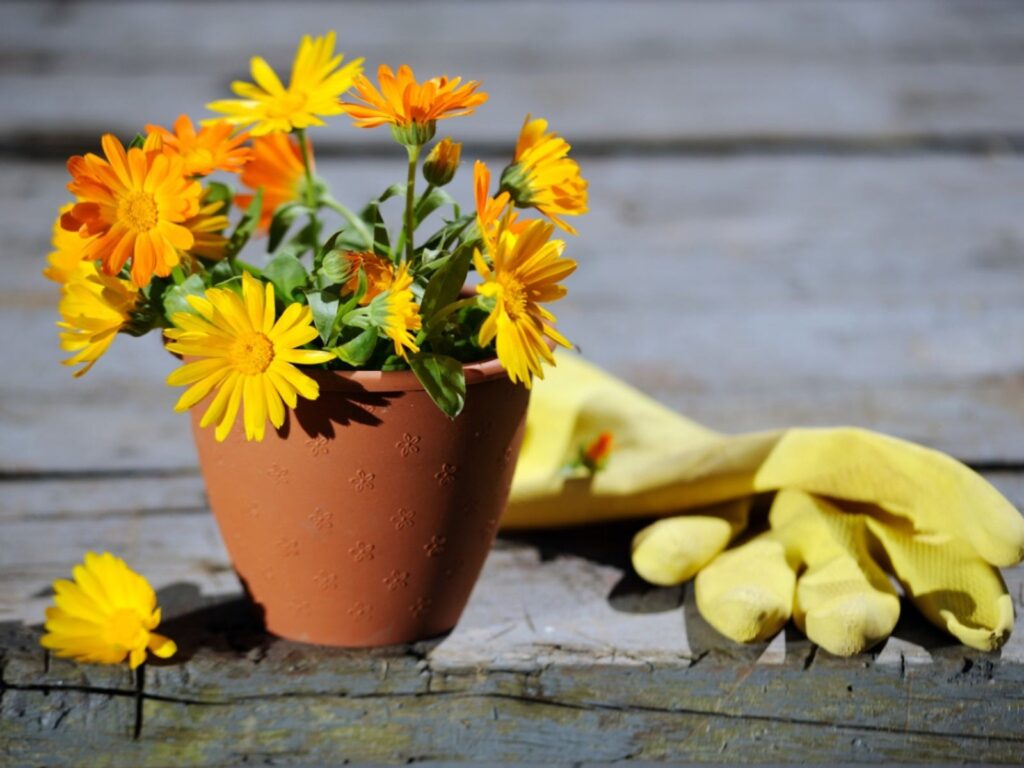
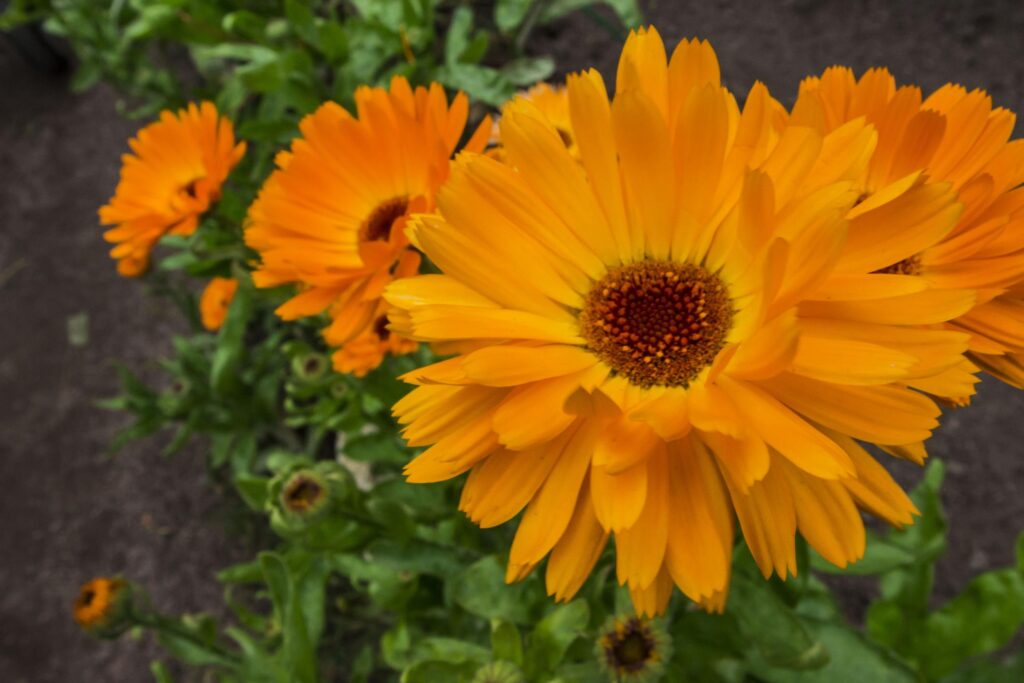
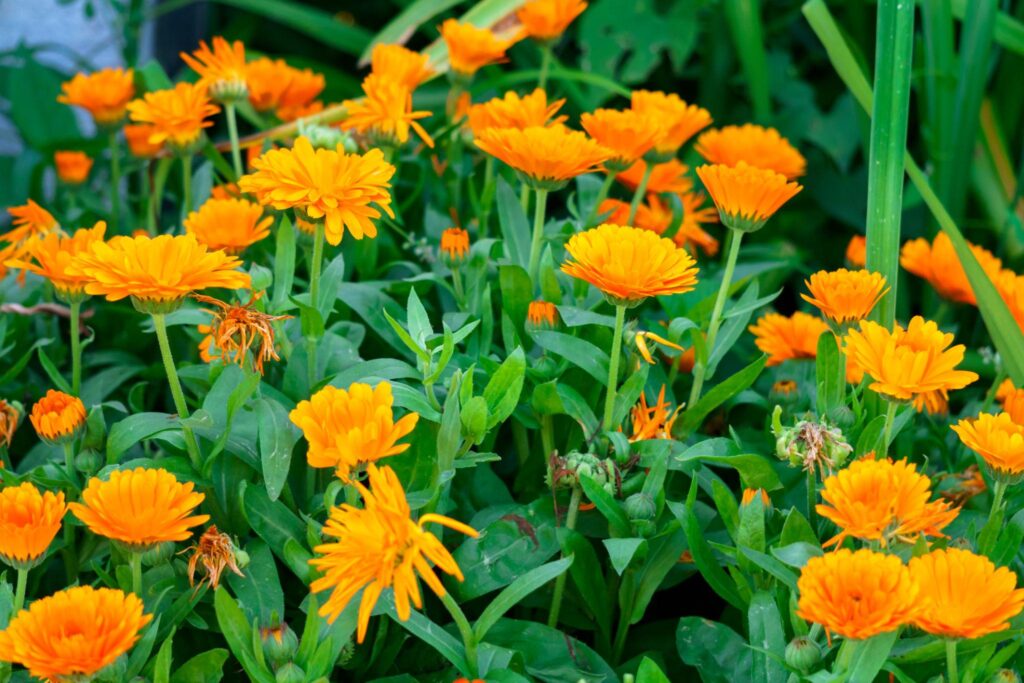
Calendula, commonly known as pot marigold, is one of the most cheerful and useful annual flowers grown in home gardens. It is admired for its bright yellow and orange blooms that appear continuously for many weeks. Because of its easy growth and multiple uses, calendula is popular not only as an ornamental plant but also as a medicinal and edible flower in many cultures.
Native to the Mediterranean region, calendula adapts well to a range of climates and grows successfully in Nepal during winter and spring. Gardeners prefer calendula because it germinates easily from seed, tolerates mild frost, and produces flowers quickly. Its soft foliage and vibrant blooms make it suitable for beds, borders, and containers.
The plant is also valued for attracting pollinators and beneficial insects to the garden. With its simple care requirements and long flowering period, calendula remains one of the most dependable seasonal flowers for ornamental cultivation.
Scientific Classification
Kingdom: Plantae
Division: Magnoliophyta
Class: Magnoliopsida
Order: Asterales
Family: Asteraceae
Genus: Calendula
Species: Calendula officinalis
Common name: Pot marigold, calendula
Native origin: Mediterranean region
Most garden varieties are compact annual types selected for large blooms and prolonged flowering.
Identification of Plant
Calendula is a bushy annual herb that grows 30–45 cm tall with branching stems and soft green leaves. The leaves are slightly hairy, oblong in shape, and arranged alternately along the stem.
The flowers resemble small marigolds but have a softer texture. They appear in shades of yellow, golden, and orange, sometimes with darker centers. Blooms may be single or double depending on the variety.
Flowers open during sunlight and may partially close at night or in cloudy weather. Because of its bright daisy-like blooms and soft foliage, calendula is easily recognized in garden beds.
Climate and Soil Requirement
Calendula prefers cool to moderately warm weather and grows best in temperatures between 10–25°C. It performs very well in Nepal during winter and early spring.
Choose a sunny location for best flowering, though light shade is tolerated. Soil should be loose, fertile, and well drained. Mixing compost or organic manure before planting improves growth and flower production.
Calendula prefers moderate fertility rather than overly rich soil. Excess nitrogen may produce more leaves and fewer flowers. Good drainage is essential because the plant does not tolerate waterlogging.
Propagation and Planting Method
Calendula is commonly grown from seed and is usually sown directly in beds or pots.
Sow seeds about 1–1.5 cm deep in prepared soil and keep the area moist until germination. Seeds usually sprout within 5–8 days under suitable conditions.
Maintain spacing of about 25–30 cm between plants so that they develop good branching and airflow. Planting is usually done in early winter so that flowering continues into spring.
Calendula seeds are relatively large and easy to handle, making them suitable for beginner gardeners and school gardening projects.
Care and Maintenance
Calendula is easy to maintain and suitable for both beginners and experienced gardeners.
Water plants moderately, ensuring the soil remains slightly moist but not soggy. Once established, calendula tolerates short dry periods but flowers best with consistent moisture.
Applying compost before planting usually provides enough nutrients for the season. Additional fertilizer is rarely required unless soil fertility is extremely poor.
Removing faded flowers regularly encourages new buds and prolongs the blooming period. This simple practice keeps plants productive for a longer time.
Weeding during early growth stages ensures plants receive adequate nutrients and sunlight. Once established, calendula grows quickly and suppresses most weeds naturally.
Pest and Disease Management
Calendula is generally hardy but may occasionally face minor pest problems.
Aphids may attack tender shoots and buds, causing curling leaves and slow growth. Slugs and snails may also damage young plants in moist conditions.
Neem oil spray applied weekly works well as a preventive organic treatment. Hand removal of pests and maintaining good airflow also helps reduce problems.
Fungal diseases such as powdery mildew or root rot may develop in overly wet or crowded conditions. Proper spacing, sunlight, and drainage usually prevent these issues.
Healthy plants grown in sunny locations rarely suffer from serious disease.
Flowering and Garden Uses
Calendula usually begins flowering about 45–55 days after sowing and continues blooming for many weeks. With proper care, the plant produces flowers continuously throughout the season.
In home gardening, calendula is widely used for:
Seasonal flower beds and borders
Container and terrace gardening
Pollinator-friendly planting schemes
Edible flower decoration in salads
Traditional herbal and medicinal uses
Because of its bright color, simple care, and multiple uses, calendula remains one of the most versatile ornamental flowers for home gardens.