

Introduction
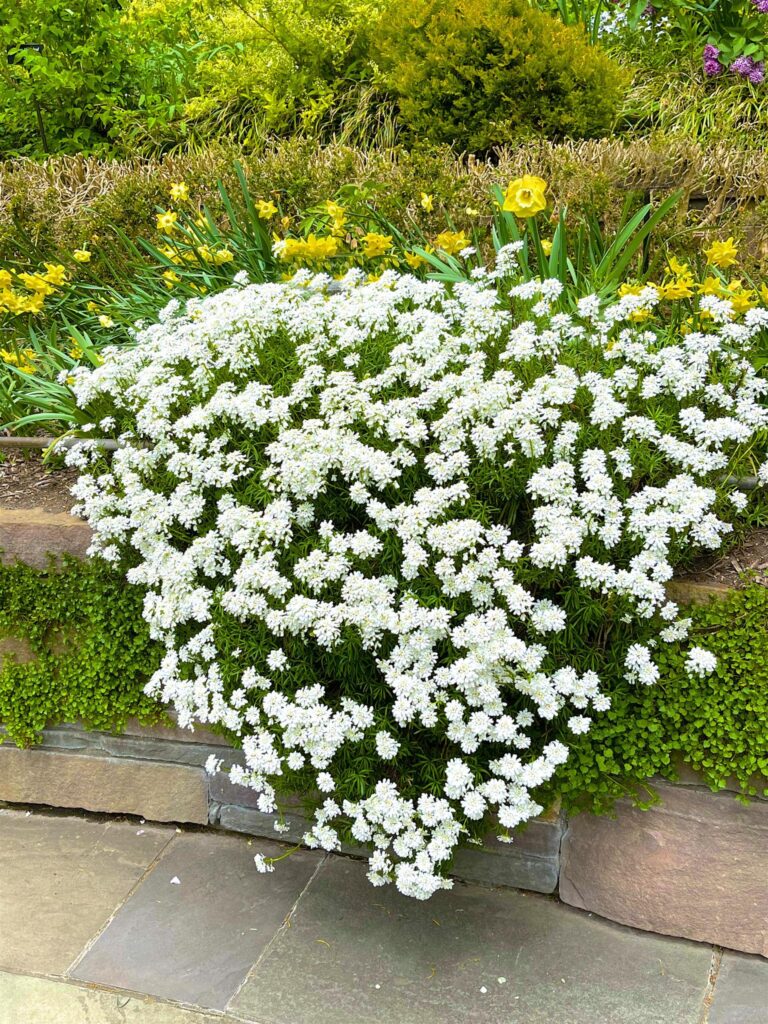
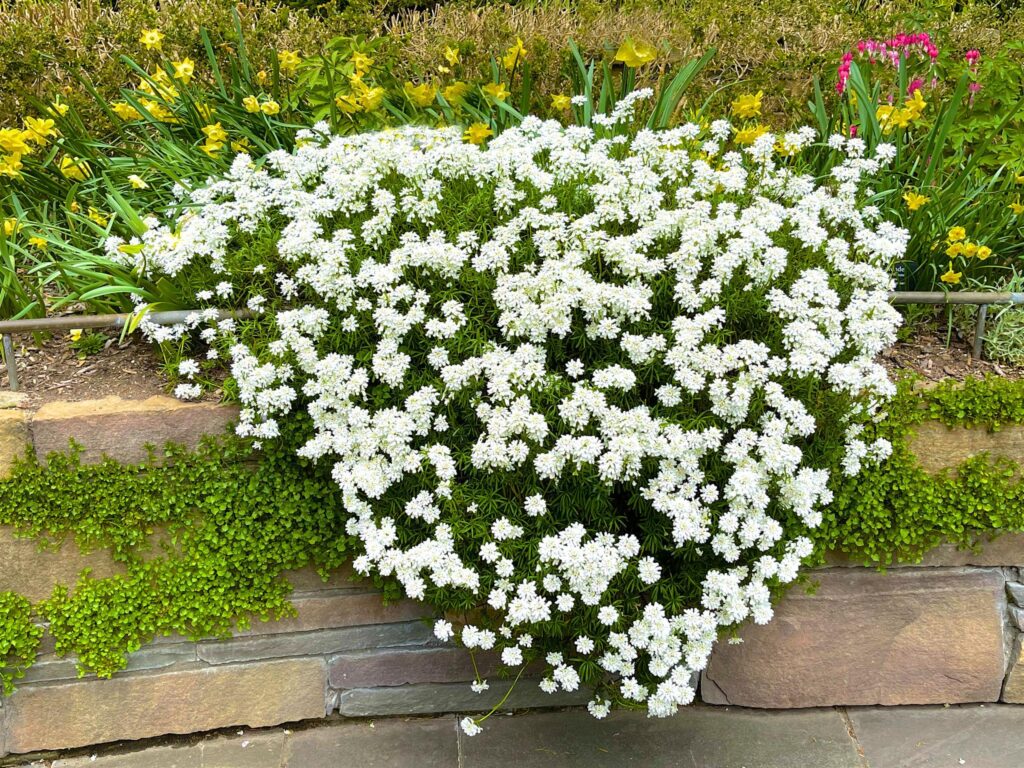
Candytuft is one of the most charming annual flowers used in ornamental gardens for its dense clusters of small blooms and neat, compact growth. It is especially appreciated for creating soft white or pastel-colored patches in flower beds. Because of its uniform height and spreading habit, candytuft is widely planted in borders, edging, rock gardens, and seasonal bedding displays.
Native to the Mediterranean region, candytuft has been cultivated for centuries as a decorative garden plant. Annual types are particularly popular because they grow quickly from seed and produce flowers within a short time. In Nepal, candytuft performs best during winter and spring when temperatures remain cool and sunlight is available.
Gardeners value candytuft for its ability to create clean, bright floral masses that complement taller plants. It is often used to soften the front edges of beds or fill gaps between seasonal flowers, making it a very useful ornamental species.
Scientific Classification
Kingdom: Plantae
Division: Magnoliophyta
Class: Magnoliopsida
Order: Brassicales
Family: Brassicaceae
Genus: Iberis
Species: Iberis amara and related annual types
Common name: Candytuft
Native origin: Mediterranean region
Annual garden varieties are typically compact and selected for dense flowering and uniform height.
Identification of Plant
Candytuft is a small annual herb that grows as a compact mound usually reaching 20–30 cm in height. The stems branch freely, forming a dense, rounded plant structure.
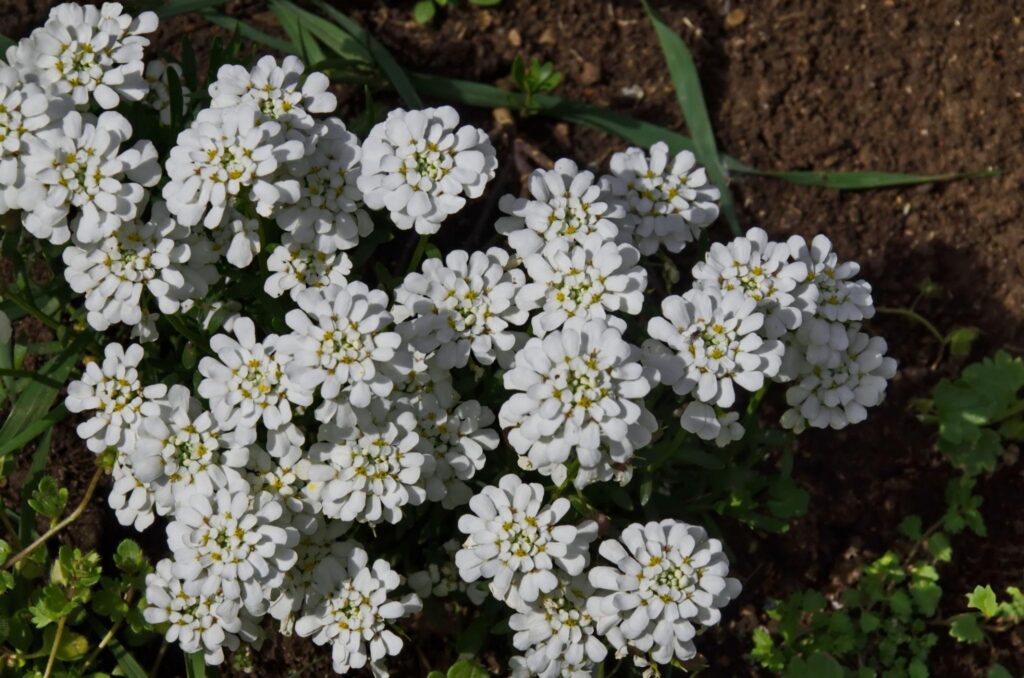
Leaves are narrow, slightly elongated, and medium green in color. The flowers are tiny but appear in tight clusters at the top of stems. These clusters gradually expand as they bloom, creating a flat-topped mass of flowers.
Most varieties produce white blooms, though pink, lavender, and purple shades are also available. Because of its low height, compact structure, and dense flower clusters, candytuft is easily recognized in garden beds.
Climate and Soil Requirement
Candytuft prefers cool to moderately warm conditions and grows best in temperatures between 12–25°C. It performs very well in Nepal during winter and early spring.
Choose a sunny location for best flowering, though the plant tolerates light shade. Soil should be well drained and moderately fertile. Mixing compost before planting improves growth and flower production.
Candytuft prefers moderate soil fertility rather than very rich soil. Excess nutrients may lead to leafy growth with fewer flowers. Proper drainage is essential because the plant does not tolerate waterlogging.
Propagation and Planting Method
Candytuft is commonly grown from seed and can be sown directly into prepared beds or raised in nursery trays.
For direct sowing, place seeds about 1 cm deep in loose soil and keep the area moist until germination. Seeds usually sprout within 6–10 days in suitable conditions.
If raising seedlings in trays, transplant them when they develop several true leaves. Maintain spacing of about 20–25 cm between plants so that they develop a uniform canopy.
Planting is usually done in early winter so that flowering continues into spring.
Care and Maintenance
Candytuft is easy to maintain and suitable for beginner gardeners.
Water plants moderately, ensuring the soil remains slightly moist but not soggy. Overwatering should be avoided because it may cause root problems.
Applying compost before planting usually provides enough nutrients for the season. Additional fertilizer is rarely needed unless soil fertility is very poor.
Light trimming after the first flush of flowers helps encourage new growth and improves plant shape. This practice can extend the flowering period and maintain a neat appearance.
Weeding during early growth stages helps plants establish quickly. Once they spread, the dense canopy helps suppress most weeds naturally.
Pest and Disease Management
Candytuft is generally resistant to major pest problems, though minor issues may occasionally appear.
Aphids may attack young shoots and buds, causing slow growth. Flea beetles may sometimes chew small holes in leaves, especially in warm conditions.
Neem oil spray applied weekly works well as a preventive organic treatment. Removing affected leaves early also helps reduce pest spread.
Fungal problems such as damping-off or root rot may develop in overly wet soil. Ensuring proper drainage, sunlight, and moderate watering usually prevents disease development.
Healthy plants grown in airy beds rarely suffer from serious issues.
Flowering and Garden Uses
Candytuft usually begins flowering about 50–60 days after planting and continues blooming for several weeks. When planted in groups, it forms a dense patch of flowers that enhances the appearance of the garden.
In home gardening, candytuft is widely used for:
Front edging of flower beds
Rock garden planting
Seasonal bedding displays
Container gardening in terraces
Soft filler plant between taller flowers
Because of its compact size and bright clusters, candytuft is especially effective in creating structured and neat garden layouts.