

Introduction
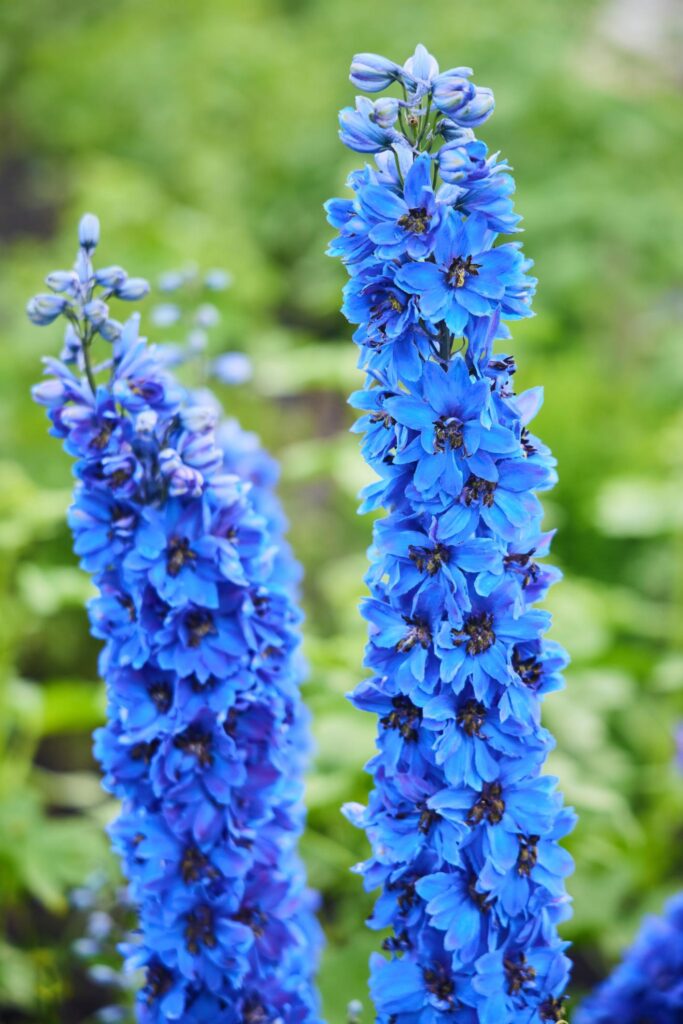
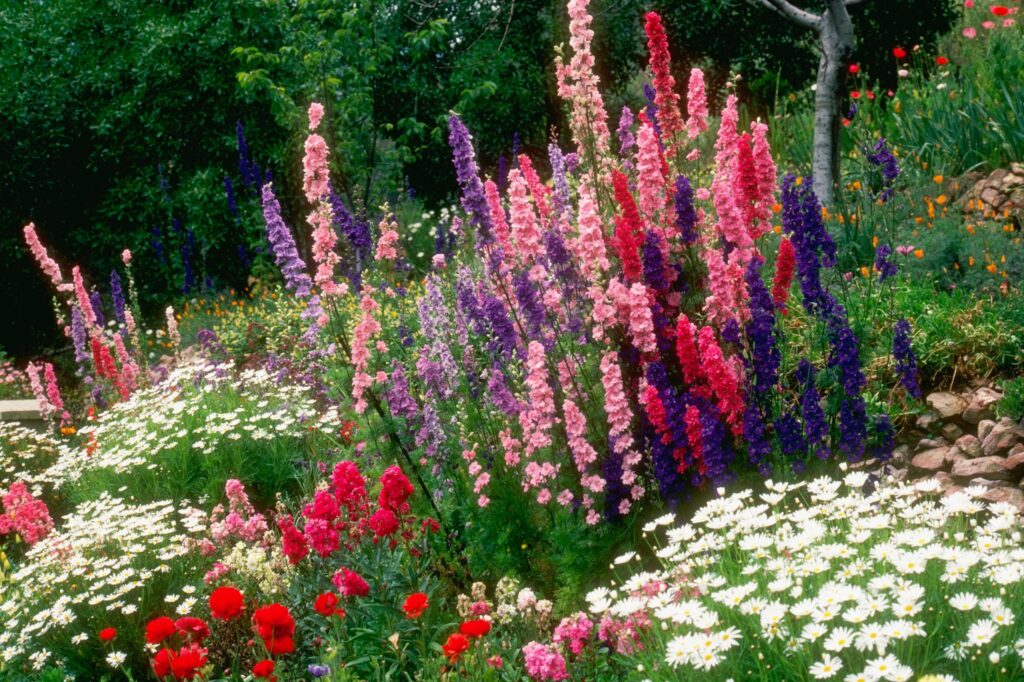
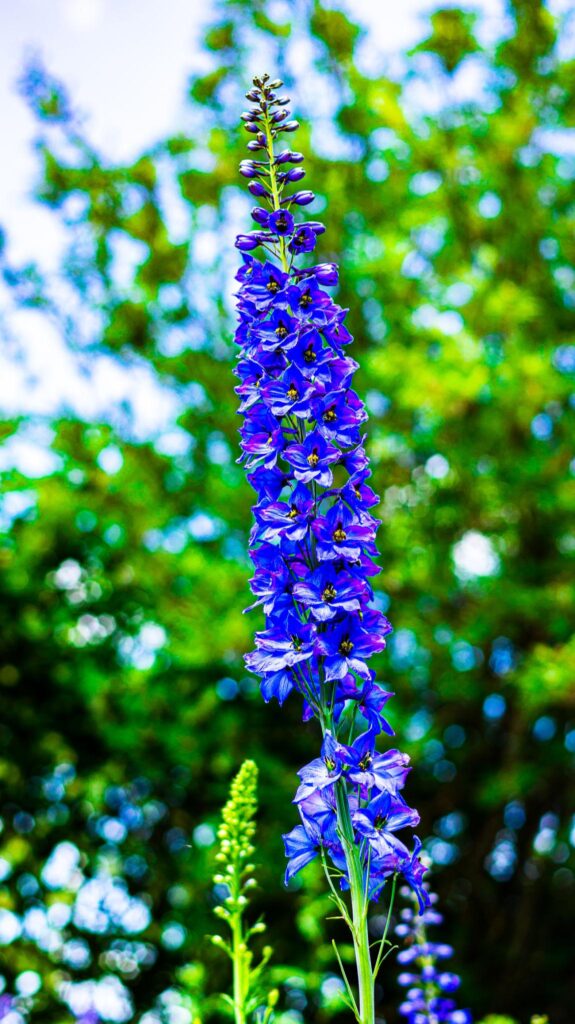
Larkspur is one of the most elegant annual flowering plants grown in home gardens for its tall spikes of colorful blossoms. It is especially admired for its graceful appearance and soft pastel shades, which bring a delicate charm to ornamental beds. Because of its upright growth and long stems, larkspur is widely planted in the background of flower beds, cottage-style gardens, and cut flower plots.
Native to the Mediterranean region and parts of Asia, annual larkspur has long been cultivated as a decorative plant. In Nepal, it performs best during winter and spring when the climate remains cool and sunny. Gardeners value larkspur because it grows easily from seed, produces long flower spikes, and adds height variation to mixed seasonal plantings.
Its suitability for bouquets, layered garden design, and pollinator-friendly planting makes larkspur one of the most useful annual flowers for ornamental cultivation.
Scientific Classification
Kingdom: Plantae
Division: Magnoliophyta
Class: Magnoliopsida
Order: Ranunculales
Family: Ranunculaceae
Genus: Delphinium (annual types often grouped as Consolida)
Common name: Larkspur
Native origin: Mediterranean region and Western Asia
Common ornamental species include Consolida ajacis and hybrid garden larkspur varieties.
Identification of Plant
Larkspur is an upright annual herb that develops slender stems and finely divided leaves. The foliage appears delicate and feathery, giving the plant a soft, graceful texture even before flowering begins.
The flowers are produced along tall spikes, with each bloom having a distinctive spur at the back. Flower colors include blue, purple, pink, white, and lavender shades. These blooms open gradually from the bottom of the spike upward, creating a long-lasting display.
Because of its tall growth, finely cut foliage, and vertical flower spikes, larkspur is easily recognizable in ornamental gardens. The plant usually grows between 60–100 cm in height, making it ideal for background planting.
Climate and Soil Requirement
Larkspur prefers cool weather conditions and grows best in temperatures between 10–22°C. It performs very well in Nepal during winter and early spring, especially in sunny, open locations.
Choose a site receiving good sunlight throughout the day. Soil should be loose, fertile, and well drained. Mixing compost before planting improves structure and supports better flowering.
Larkspur prefers moderate soil fertility rather than excessively rich soil. Too much nitrogen may cause tall leafy growth with weaker flower spikes. Good drainage is essential because the plant does not tolerate waterlogging.
Propagation and Planting Method
Larkspur is grown from seed and is usually sown directly in garden beds, as it does not transplant well.
Seeds should be sown about 1–2 cm deep in prepared soil and lightly covered. Germination may take 10–15 days in cool conditions. Because seedlings dislike root disturbance, direct sowing gives better results than nursery transplanting.
Maintain spacing of about 25–30 cm between plants so that they develop strong stems and good airflow.
Planting is usually done in late autumn or early winter so that flowering begins in spring.
Care and Maintenance
Larkspur requires moderate care but grows well when basic needs are met.
Water plants regularly but moderately, ensuring soil remains slightly moist without becoming soggy. Overwatering should be avoided because it may weaken stems and increase disease risk.
Applying compost before planting usually provides enough nutrients. Additional fertilizer is rarely needed unless soil fertility is very poor.
Tall plants may require light staking in windy areas to prevent stems from bending. Removing faded flowers can extend the flowering period and improve plant appearance.
Weeding during early growth stages is important so that plants receive adequate nutrients and sunlight.
Pest and Disease Management
Larkspur is generally healthy but may occasionally face pest or disease problems.
Aphids may attack young shoots and flower buds, reducing plant vigor. Caterpillars may sometimes chew leaves, though damage is usually minor.
Neem oil spray applied weekly works well as an organic preventive treatment. Removing affected plant parts early helps reduce pest spread.
Fungal diseases such as powdery mildew or stem rot may occur in overcrowded or poorly drained beds. Proper spacing, sunlight, and moderate watering usually prevent such problems.
Healthy plants grown in cool, airy conditions rarely suffer from serious issues.
Flowering and Garden Uses
Larkspur usually begins flowering about 80–90 days after sowing and continues blooming for several weeks. The tall spikes add vertical interest and elegance to seasonal plantings.
In home gardening, larkspur is widely used for:
Background planting in mixed flower beds
Cut flowers for bouquets and arrangements
Cottage-style and traditional garden designs
Pollinator-friendly planting schemes
Creating height contrast in ornamental layouts
Because of its graceful spikes and soft colors, larkspur remains one of the most valued annual flowers for decorative cultivation.