

Introduction
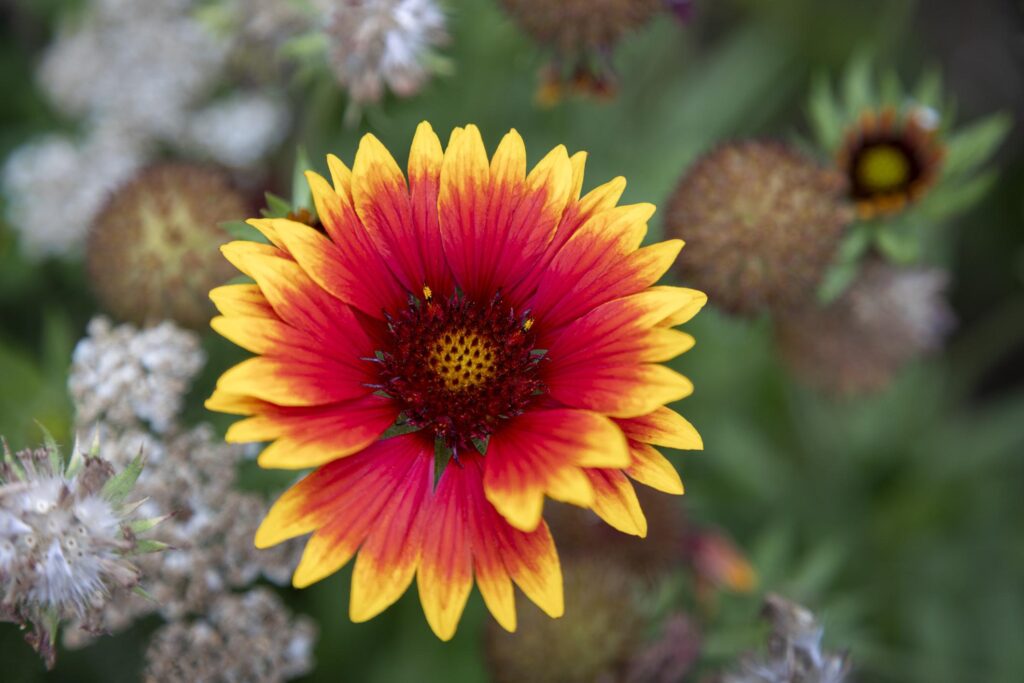
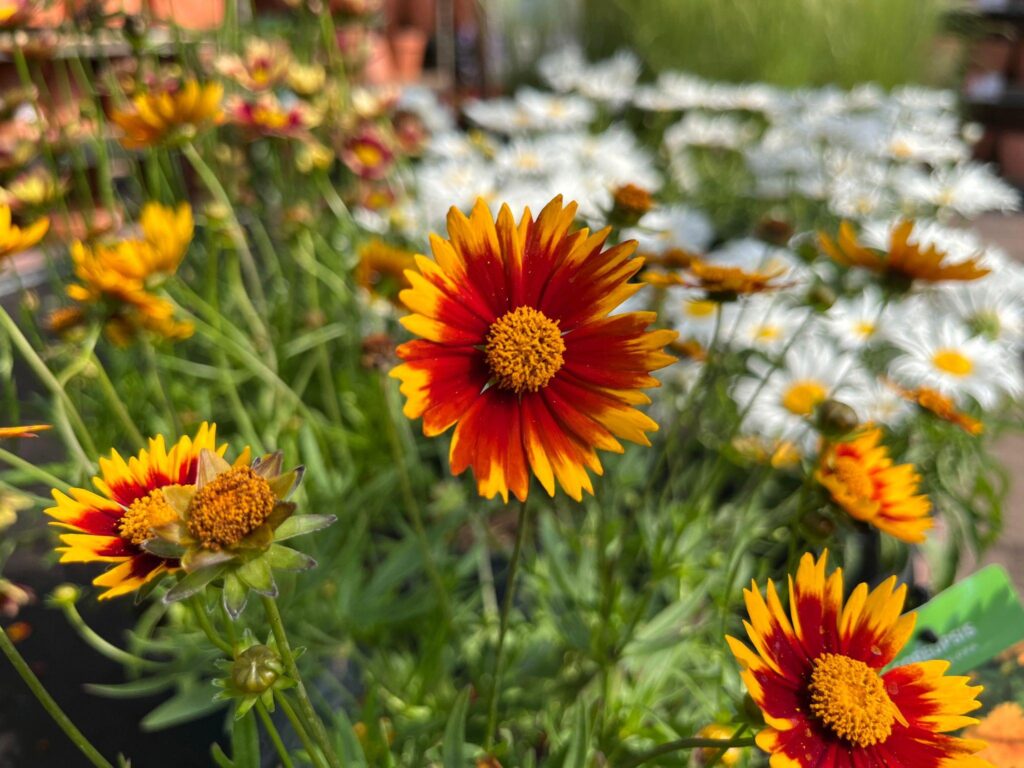
Gaillardia, commonly known as blanket flower, is one of the most cheerful and drought-tolerant flowering plants used in home gardens and landscape beds. It is admired for its warm-colored blooms that resemble small sunflowers and create a bright display in the garden. Because of its ability to flower continuously in warm weather, gaillardia is especially useful for long-season ornamental planting.
Native to North and South America, gaillardia adapts well to a wide range of climates and soils. In Nepal, it grows successfully in sunny locations during winter, spring, and summer depending on the region. Gardeners prefer gaillardia because it grows easily from seed, requires little maintenance, and produces flowers for a long time once established.
Its tolerance to heat, ability to attract pollinators, and suitability for beds, borders, and containers make gaillardia one of the most reliable seasonal flowers for both beginners and experienced gardeners.
Scientific Classification
Kingdom: Plantae
Division: Magnoliophyta
Class: Magnoliopsida
Order: Asterales
Family: Asteraceae
Genus: Gaillardia
Common name: Blanket flower
Native origin: Americas
The most common ornamental species include Gaillardia pulchella and hybrid bedding varieties developed for improved color and compact growth.
Identification of Plant
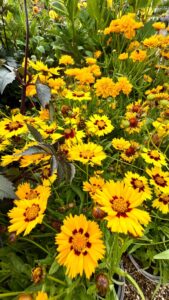
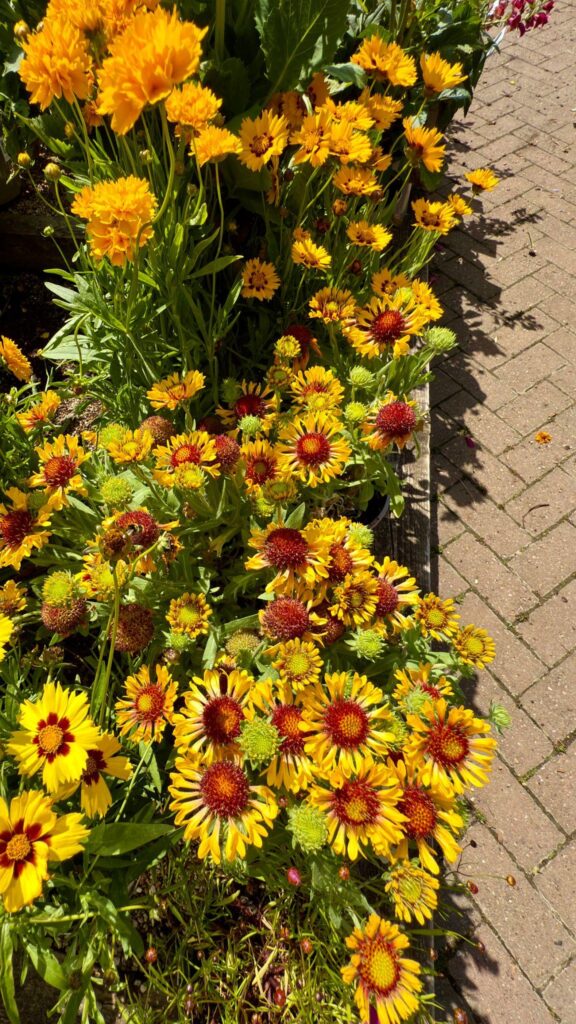
Gaillardia is an annual herb that forms a bushy plant with branching stems and slightly hairy leaves. The leaves are narrow to lance-shaped and arranged alternately along the stem. As the plant matures, it produces multiple flower buds that open into bright, daisy-like blooms.
The flowers usually have a dark central disc surrounded by petals in warm shades such as red, orange, yellow, and bi-color combinations. Some varieties show a ring of contrasting color near the center, giving the flower a striking appearance.
Because of its sunflower-like blooms and warm color tones, gaillardia is easily recognized in garden beds. The plant typically grows 30–50 cm tall and spreads moderately to form a dense flowering clump.
Climate and Soil Requirement
Gaillardia prefers warm and sunny conditions and performs best in temperatures between 18–32°C. It is highly tolerant of heat and can continue flowering even during relatively dry weather.
Choose a sunny location receiving at least six hours of light daily. Soil should be well drained and moderately fertile. Heavy clay soils should be improved with sand or compost to ensure proper drainage.
Gaillardia is known for tolerating poor soils better than many ornamental plants. Excessive fertilization is not necessary and may reduce flowering performance.
Propagation and Planting Method
Gaillardia is commonly grown from seed and can be sown directly into beds or raised in nursery trays.
For direct sowing, place seeds about 1–1.5 cm deep in prepared soil and keep the area moist until germination. Seeds usually sprout within 5–8 days in warm conditions.
If raising seedlings in trays, transplant them when they reach about 10–12 cm height. Maintain spacing of about 30–35 cm between plants so that they develop good branching and airflow.
Planting can be done in early winter or spring depending on local climate conditions.
Care and Maintenance
Gaillardia is a low-maintenance plant and suitable for gardeners who prefer minimal effort.
Water plants moderately, allowing the soil to dry slightly between watering. Overwatering should be avoided because the plant prefers relatively dry conditions.
Applying compost before planting is usually sufficient for nutrient supply. Additional fertilizer is rarely needed unless soil fertility is extremely low.
Removing faded flowers helps encourage new buds and extends the flowering period. This simple practice keeps plants productive for a longer time.
Weeding during early growth stages helps reduce competition and improves plant health. Once established, gaillardia forms a dense canopy that suppresses most weeds naturally.
Pest and Disease Management
Gaillardia is generally resistant to pests and diseases, but occasional problems may appear.
Aphids may attack young shoots, causing curling leaves and reduced growth. Caterpillars may sometimes chew leaves, though damage is usually minor.
Neem oil spray applied weekly works well as a preventive treatment. Removing affected leaves early helps reduce pest spread.
Fungal diseases may develop in overly wet or crowded conditions. Ensuring proper spacing, sunlight, and soil drainage usually prevents such problems.
Healthy plants grown in sunny conditions rarely suffer from serious issues.
Flowering and Garden Uses
Gaillardia begins flowering about 55–65 days after planting and continues blooming for a long time in warm conditions. With proper care, it produces flowers continuously throughout the season.
In home gardening, gaillardia is valued for:
Bright bedding displays in sunny gardens
Border planting along walkways and lawns
Container gardening in terraces and balconies
Pollinator-friendly planting schemes
Cut flowers for informal arrangements
Because of its warm colors and long flowering period, gaillardia is especially effective in creating lively summer garden displays.