

Introduction
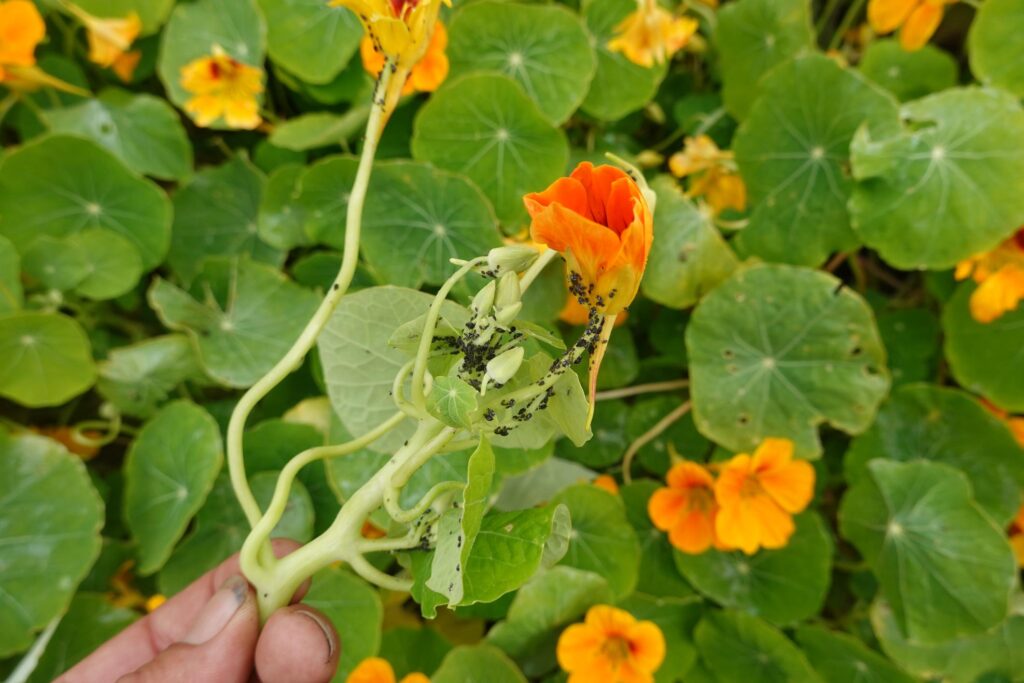
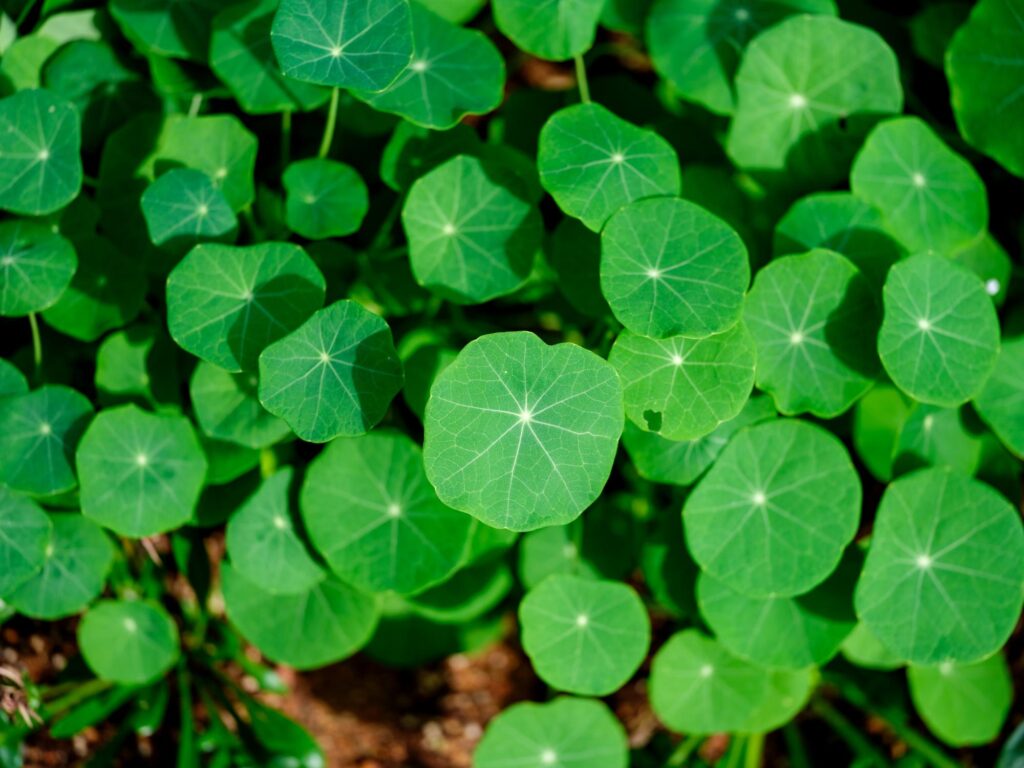
Nasturtium is one of the most attractive and useful flowering plants that can be grown easily in pots, containers, and small garden spaces. It is especially loved for its bright orange, yellow, and red flowers combined with round decorative leaves. Unlike many ornamental plants, nasturtium is not only grown for beauty but also valued as an edible flower and medicinal herb in many cultures.
Native to South America, nasturtium adapts very well to a wide range of climates and grows successfully in Nepal during cooler and moderate seasons. Because it grows quickly from seed and spreads beautifully over pot edges, it is one of the best plants for balcony gardens, terrace gardening, and hanging containers.
For beginners who want a fast-growing, colorful, and multi-purpose plant, nasturtium is an excellent choice. It needs very little care, tolerates poor soil, and produces flowers for a long period once established.
Scientific Classification
- Kingdom: Plantae
- Division: Magnoliophyta
- Class: Magnoliopsida
- Order: Brassicales
- Family: Tropaeolaceae
- Genus: Tropaeolum
- Common name: Nasturtium
- Native origin: South America
Common garden types:
- Bush nasturtium – compact plants ideal for small pots
- Trailing nasturtium – spreading varieties perfect for hanging baskets and railing pots
Identification of Plant
Nasturtium is an annual herb that produces soft, trailing or bushy stems depending on the variety. One of its most distinctive features is its round, shield-shaped leaves, which are smooth and slightly waxy. The leaf stalk attaches near the center, giving the foliage a unique appearance that is easy to recognize.
The flowers are funnel-shaped with a spur at the back and appear in warm colors such as yellow, orange, scarlet, and deep red. Both leaves and flowers are edible and have a slightly peppery taste similar to mustard greens.
Because of its trailing habit, rounded leaves, and bright flowers, nasturtium is easily identified in container gardens.
Climate and Soil Requirement
Nasturtium grows best in mild to moderately cool climates and prefers full sun to light partial shade. It performs well in temperatures between 15–28°C, making it suitable for most regions of Nepal during winter, spring, and early summer.
For container cultivation:
- Use well-drained potting soil with moderate fertility
- Avoid very rich soil, as excessive nutrients produce more leaves than flowers
- Good drainage is essential to prevent root problems
Nasturtium is known for thriving even in relatively poor soil conditions, which makes it ideal for low-maintenance gardening.
Propagation and Planting Method
Nasturtium is very easy to grow from seed, and direct sowing in pots is the best method.
Seed Sowing in Pots
- Use pots at least 20–25 cm deep
- Sow seeds 2–3 cm deep in moist soil
- Place 2–3 seeds per pot
- Germination usually occurs within 7–10 days
Because nasturtium roots dislike disturbance, transplanting is not recommended. Direct sowing gives better results.
Planting is usually done from late autumn to early spring for best flowering.
Care and Maintenance
Nasturtium is one of the lowest-maintenance flowering plants, which makes it ideal for beginners and busy gardeners.
Watering
Water moderately, allowing the topsoil to dry slightly between watering. Overwatering should be avoided.
Fertilization
Usually not required. Too much fertilizer results in excessive leaf growth and fewer flowers.
Sunlight
Place pots in a sunny location for best flowering, though light shade is tolerated.
Training
Trailing varieties can be allowed to spill naturally over pot edges or guided along railings for decorative effect.
Pest and Disease Management
Nasturtium is generally hardy but may occasionally attract pests, especially when grown in crowded or shaded conditions.
Common Pests
- Aphids feeding on young shoots
- Whiteflies in warm weather
- Caterpillars chewing leaves
Management
- Spray neem oil solution weekly as prevention
- Wash leaves with mild soap solution
- Remove heavily infested plant parts early
Diseases
Fungal issues may appear in overly wet soil. Proper drainage and moderate watering usually prevent this problem.
Flowering and Uses
Nasturtium begins flowering about 45–55 days after sowing and continues blooming for several months.
It is valued in home gardening for:
- Balcony and terrace decoration
- Hanging pots and railing planters
- Edible flowers for salads and garnishes
- Companion planting in vegetable gardens
- Natural pollinator attraction
Because both its leaves and flowers are edible, nasturtium is one of the few plants that combines ornamental beauty with culinary usefulness.