

Introduction
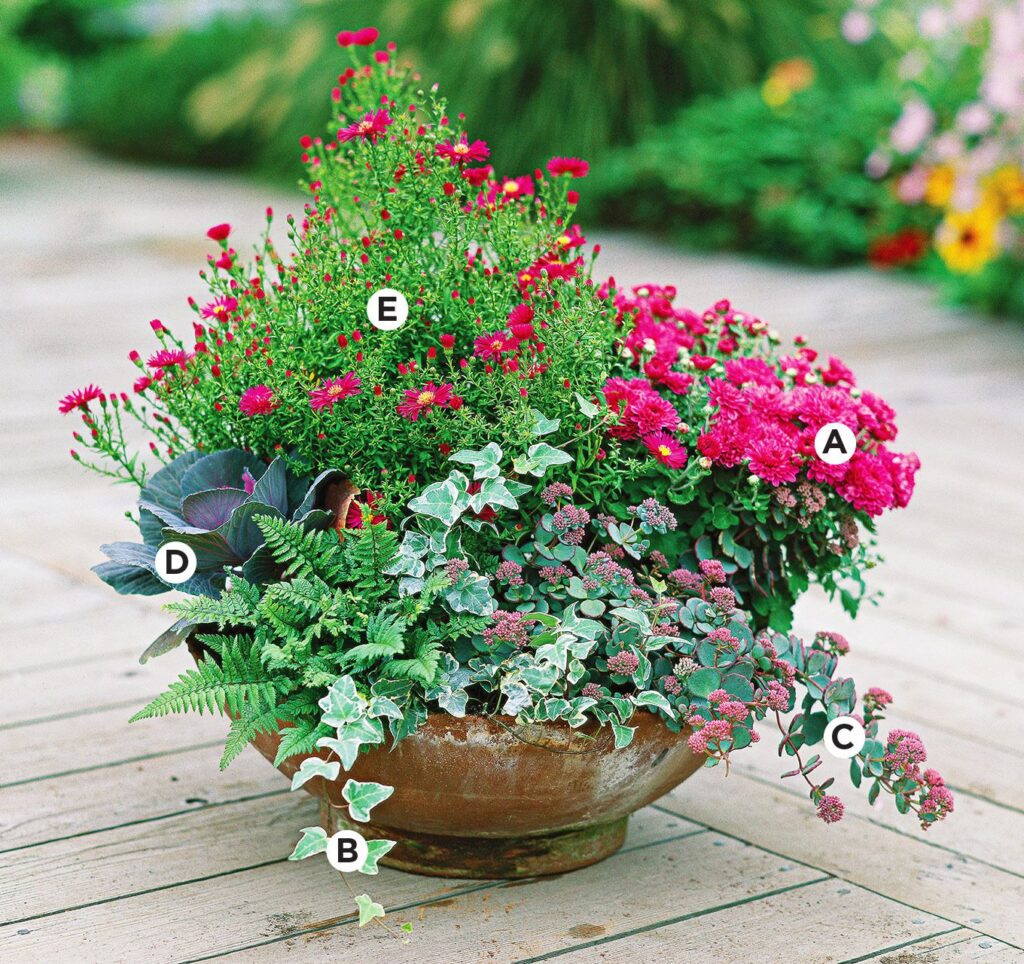
Designing a garden using a mix of annual flowers is one of the best ways to create a colorful, lively, and seasonally changing landscape. Annual flowers grow quickly, bloom within a short time, and provide a wide range of colors, heights, and textures. Because of this, gardeners often combine different annuals to create visually appealing flower beds, borders, and container displays.
In Nepal, annual flower mixes are especially useful for home gardens, school grounds, terraces, and public landscapes where seasonal beauty is desired. By combining tall, medium, and low-growing plants, gardeners can design beds that look full, balanced, and attractive from all angles.
A well-planned annual flower mix not only improves garden beauty but also supports pollinators, enhances biodiversity, and allows flexibility to change designs each year.
Basic Principles of Annual Flower Mix Design
Successful annual flower design depends on combining plants with compatible growth habits, flowering times, and color harmony.
The first principle is height arrangement. Tall plants should be placed at the back of beds or center of island beds. Medium-height plants form the middle layer, while dwarf flowers are planted along edges or in the front.
The second principle is color planning. Gardens look more attractive when colors are arranged either in harmony or in controlled contrast. Warm colors like red, orange, and yellow create a bold effect, while cool colors like blue, purple, and white create a calm appearance.
The third principle is flowering continuity. Selecting plants that bloom at slightly different times ensures the garden remains colorful for a longer period.
Popular Annual Flower Combinations
Some annual flowers combine especially well due to their complementary colors and growth habits.
A bright summer mix may include sunflower or Mexican sunflower at the back, zinnia and cosmos in the middle, and portulaca or alyssum at the front. This combination gives strong height variation and continuous flowering.
A soft winter mix may include China aster, phlox, dianthus, and candytuft. These plants bloom together and create a balanced, pastel-toned display.
For container combinations, petunia, verbena, torenia, and alyssum work well together because they remain compact and flower continuously.
These combinations allow gardeners to design beds that look full and colorful without overcrowding.
Seasonal Garden Layout Ideas
Spring Flower Layout
Spring gardens in Nepal can be designed using cool-season annuals such as phlox, nemesia, dianthus, and linaria. These plants provide soft colors and grow well in moderate temperatures.
Tall varieties may be planted at the back, with medium-height flowers in the center and dwarf edging plants along pathways.
Summer Flower Layout
Summer layouts benefit from heat-tolerant flowers such as zinnia, sunflower, portulaca, gomphrena, and marigold. These plants withstand strong sunlight and maintain bright colors throughout the warm season.
Combining bold colors like orange, red, and yellow creates a vibrant summer appearance.
Container Mix Design
For terrace and balcony gardens, combining trailing, bushy, and upright annuals gives the best visual effect.
For example, a pot may include petunia as the main flower, verbena for side spread, and alyssum for lower edging. This creates depth and fullness in a small space.
Plant Spacing and Arrangement Tips
Proper spacing is essential when creating annual flower mixes. Overcrowded plants compete for nutrients and airflow, which reduces flowering and increases disease risk.
Tall plants should be spaced wider so they can branch properly. Medium-height plants can be placed closer together to fill the bed, while dwarf plants may be planted more densely for edging.
Repeating the same flower in small groups rather than single plants helps create a more professional garden appearance. This technique makes the design look intentional rather than random.
Maintenance of Mixed Annual Flower Beds
Mixed annual beds require regular but simple maintenance to remain attractive.
Watering should be done consistently but not excessively. Different plants in the mix usually have similar watering needs, so moderate irrigation works best.
Applying compost before planting often provides enough nutrients for the season. A light fertilizer during flowering may improve bloom quality.
Removing faded flowers regularly helps maintain the appearance of the bed and encourages continued blooming. Weeding is important during early growth stages, but once plants spread, they naturally reduce weed growth.
Maintaining proper airflow and sunlight ensures plants remain healthy and productive.
Garden Uses of Annual Flower Mixes
Annual flower mixes are widely used in home and landscape gardening because they provide quick and flexible decoration.
They are suitable for front-yard ornamental beds, pathway borders, school gardens, terrace displays, and public parks. Mixed plantings also attract bees and butterflies, improving pollination in nearby vegetable gardens.
Because annuals can be changed every season, they allow gardeners to experiment with new colors, layouts, and plant combinations each year.
This makes annual flower mix design one of the most creative and rewarding aspects of ornamental gardening.